Your Own BiologyTwo autologous cell sources: bone marrow + adipose / fat
At Interventional Orthopedics of Washington, stem cell therapy refers to autologous cell-based treatment using the patient’s own biology. Two major cell sources used by the practice are bone marrow and adipose tissue. Bone marrow concentrate (BMC) remains one option: a physician collects a small amount of bone marrow from the patient, processes it in-office to concentrate a mixture of naturally occurring cells, platelets, and signaling proteins, and then uses ultrasound or fluoroscopy to place the concentrate into carefully selected musculoskeletal structures. Adipose-derived stem cells, sometimes described in patient-friendly language as fat-based stem cells, are obtained from the patient’s own fat or adipose tissue. The source used is considered as part of an individualized treatment plan based on the patient’s diagnosis, anatomy, imaging, health history, and goals.
Autologous cell-based treatments, including bone marrow concentrate and adipose-derived approaches, are not appropriate for every patient or condition. A consultation and imaging review are required to discuss candidacy, source selection, alternatives, potential risks, and realistic expectations. No stem cell product is FDA-approved for orthopedic conditions, and individual responses, recovery timelines, and outcomes vary.
Treatment Overview
What Is Stem Cell Therapy?
If you suffer from chronic back or joint pain, you’ve probably already tried pain pills, cortisone injections, and physical therapy, and you may even be trying to decide if it’s time to have surgery. At Interventional Orthopedics of Washington, stem cell therapy refers to autologous cell-based approaches that use cells obtained from the patient’s own biology. Two major sources used by the practice are the patient’s own bone marrow and adipose tissue, or fat.
Your Own Biology
Two Major Autologous Cell Sources
Stem cell treatment at IOW is not limited to a single source. Bone marrow and adipose tissue are both sources of autologous cells obtained from the patient’s own body and considered as part of individualized treatment planning.
Autologous Source 01
Bone Marrow
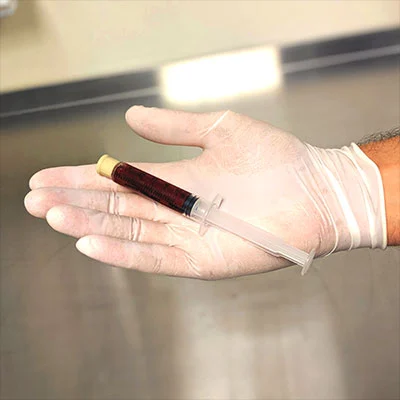
Bone marrow-derived stem cells are obtained from the patient’s own bone marrow. One example used by the practice is bone marrow concentrate, or BMC. A small amount of bone marrow is collected from the patient and processed to concentrate a mixture of naturally occurring cells, platelets, and signaling proteins.
Bone marrow concentrate (BMC)
Autologous Source 02
Adipose / Fat
Adipose-derived stem cells, also described in patient-friendly language as fat-based stem cells, are obtained from the patient’s own adipose tissue. In simple terms, adipose tissue is the body’s fat tissue, which can serve as another source of the patient’s own autologous cells.
Harvested from the patient’s own adipose tissue
The appropriate treatment approach and cell source depend on the individual patient’s diagnosis, anatomy, imaging, medical history, and treatment goals. Autologous cell-based treatment is not appropriate for every patient or condition, and individual responses and outcomes vary.
Treatment Overview
Stem cell therapy at Interventional Orthopedics of Washington uses autologous cells obtained from the patient’s own biology. Two major sources used by the practice are bone marrow and adipose tissue, or fat. Bone marrow-derived stem cells may be used through bone marrow concentrate (BMC), while adipose-derived stem cells, also described in patient-friendly language as fat-based stem cells, are obtained from the patient’s own adipose tissue.
With bone marrow concentrate, marrow collected from the patient is processed into a concentrate containing a mixture of naturally occurring cells, platelets, and signaling proteins. Adipose tissue provides another source of autologous cells from the patient’s own body. The source considered for treatment depends on the individual patient’s diagnosis, anatomy, imaging, medical history, and treatment goals.
Each treatment begins with a detailed diagnostic evaluation to determine whether an autologous cell-based approach may be appropriate and which source should be considered for the specific patient. When treatment is performed, precise image guidance may be used to place the selected preparation into carefully evaluated musculoskeletal structures. Care is led by Dr. Otoño Silva, MD, with individualized treatment and rehabilitation planning based on each patient’s clinical presentation.
The Autologous Treatment Process
How Stem Cell Therapy Works
Treatment begins with the patient’s own biology. At Interventional Orthopedics of Washington, two major autologous cell sources are used: bone marrow and adipose tissue, or fat. The specific source and treatment approach depend on the individual evaluation.
Your Own Biology
Bone Marrow
Adipose / Fat
01
Bone Marrow
Adipose / Fat
Step 01
Harvest
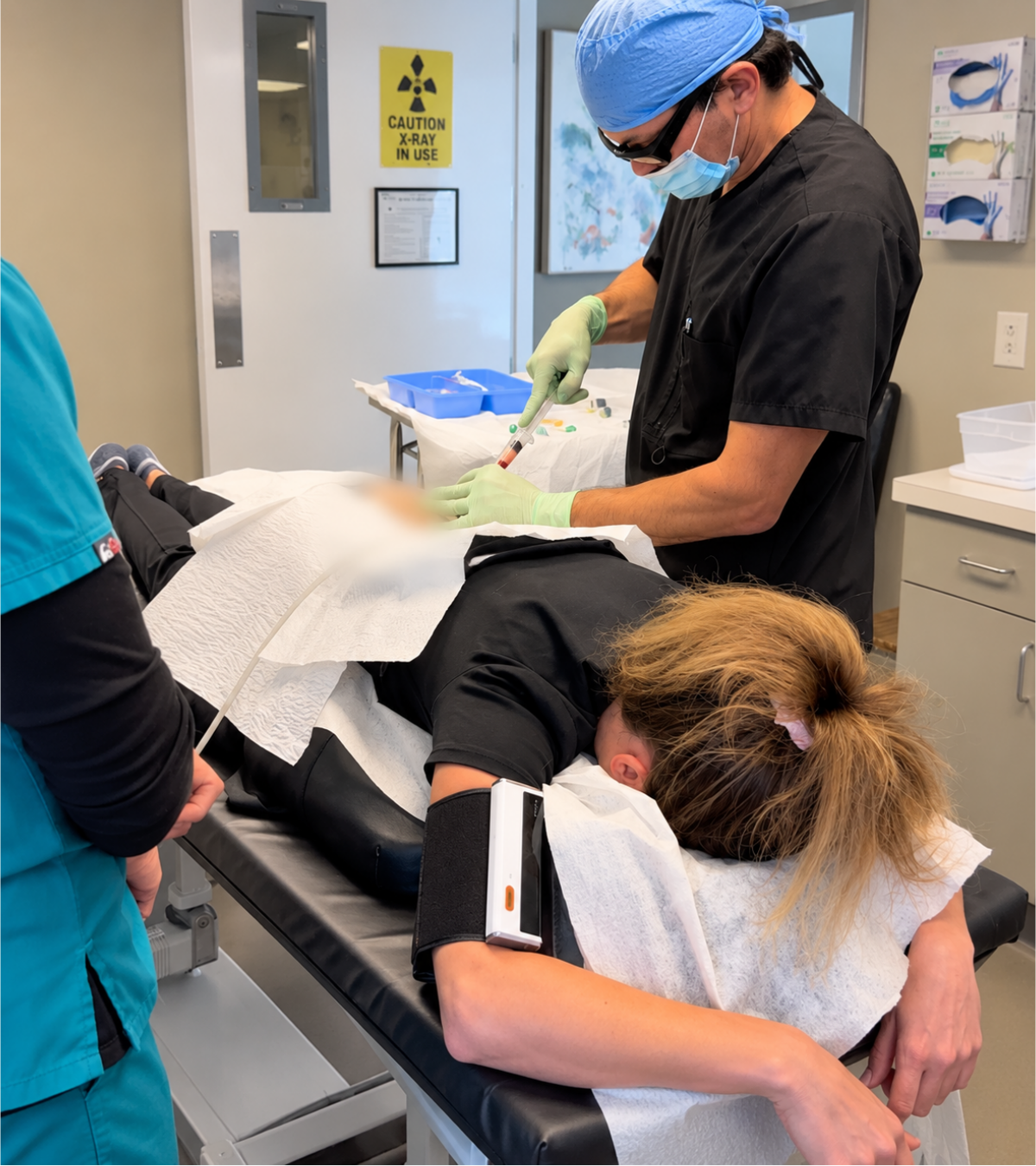
Autologous cells are obtained from the patient’s own body. Bone marrow-derived stem cells are harvested from bone marrow, including aspiration from the back of the hip. Adipose-derived stem cells, also described in patient-friendly language as fat-based stem cells, are obtained from the patient’s own adipose tissue through a medical fat-harvesting procedure.
02
Step 02
Prepare
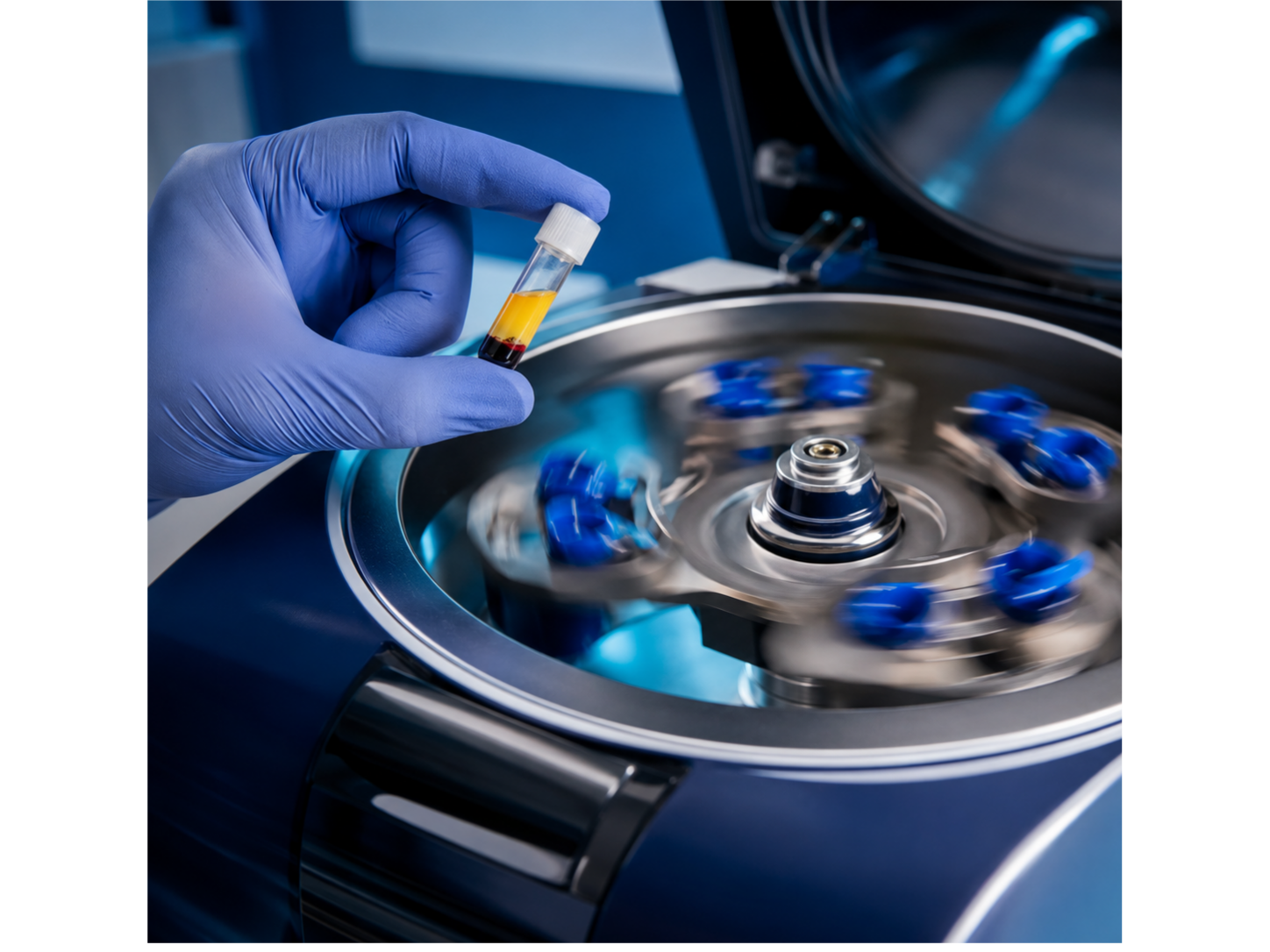
The harvested material is prepared for the selected treatment approach. In the bone marrow example, the patient’s marrow is processed in a centrifuge to create bone marrow concentrate (BMC). Adipose-based treatment uses autologous cells obtained from the patient’s own adipose tissue.
03
Step 03
Image-Guided Placement
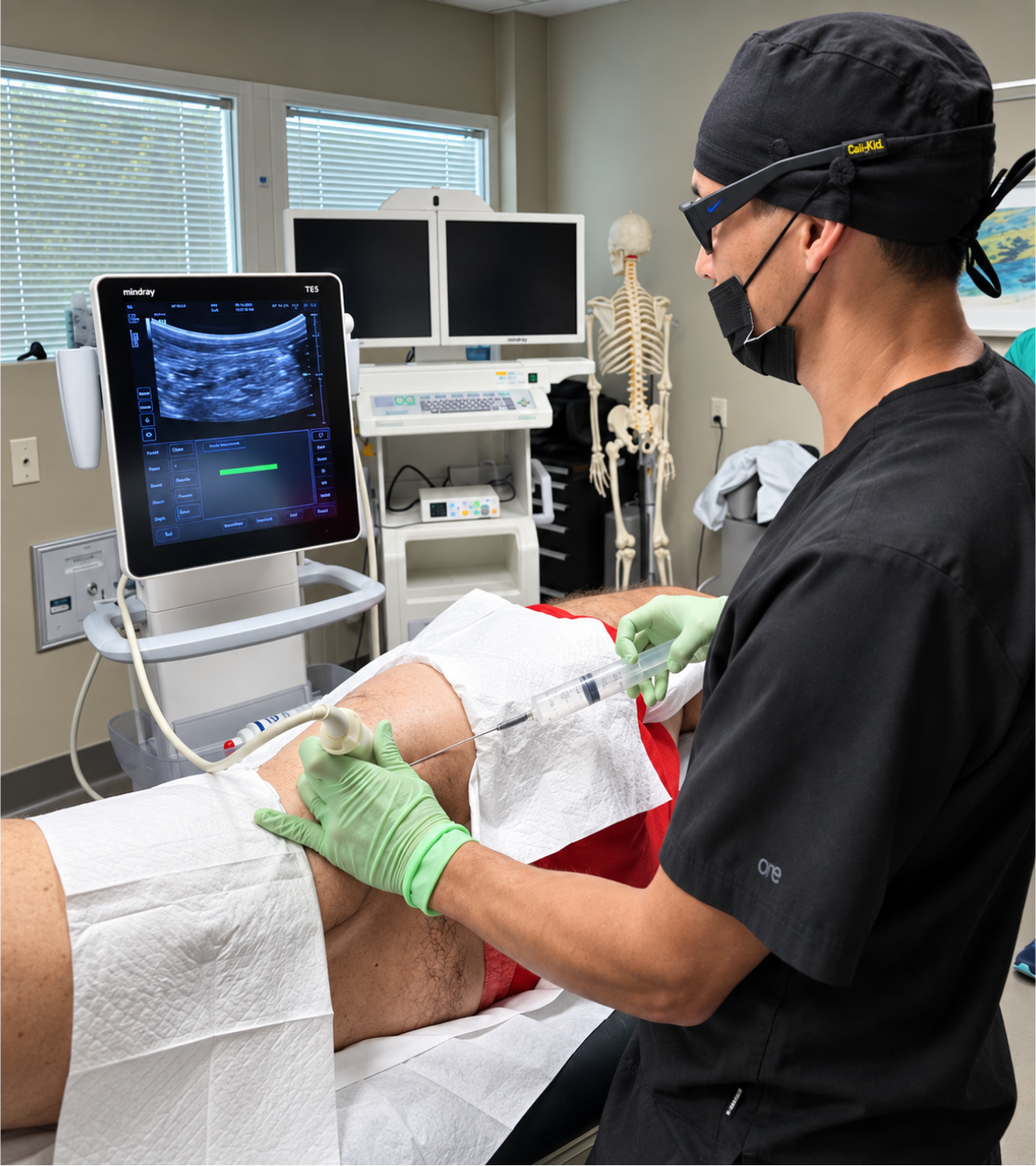
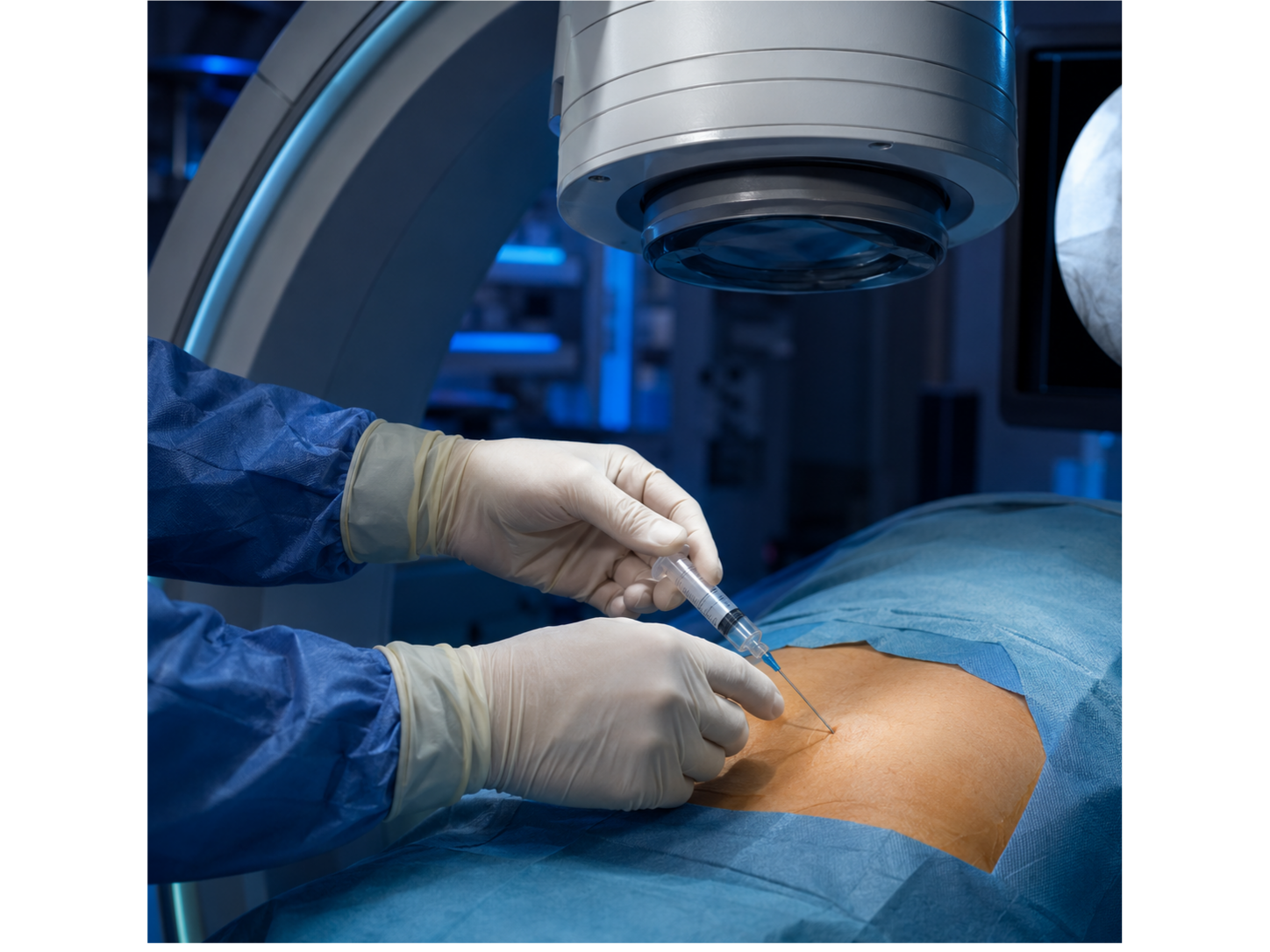
When appropriate for the treatment plan, the selected autologous preparation is placed precisely into the treatment area using X-ray / fluoroscopy or other appropriate imaging guidance.
04
Step 04
Recovery & Follow-Up
Recovery, rehabilitation, and follow-up are individualized based on the treatment performed, the structures treated, and the patient’s clinical presentation. Response and recovery timelines vary from patient to patient.
Bone marrow and adipose tissue are both sources of autologous cells from the patient’s own biology. The appropriate cell source, preparation, imaging approach, treatment recommendation, and recovery plan depend on the individual patient and condition. A physician evaluation is required to determine candidacy.
Patient Questions
Stem Cell Therapy FAQs
Clear answers about cellular therapy, bone marrow concentrate, adipose-derived cells, candidacy, safety, and how image-guided treatment is used in orthopedic care.
Stem cell therapy at Interventional Orthopedics of Washington refers to autologous cell-based treatment using the patient’s own biology. Two major cell sources used by the practice are bone marrow and adipose tissue, or fat. Bone marrow-derived cells may be prepared as bone marrow concentrate (BMC), while adipose-derived stem cells, also described in patient-friendly language as fat-based stem cells, are obtained from the patient’s own adipose tissue. The source considered depends on the individual evaluation and treatment plan.
IOW uses autologous cells collected from the patient’s own body. The two major sources represented on this page are:
Bone marrow: Bone marrow-derived cells are harvested from the patient’s own bone marrow. One treatment example is bone marrow concentrate (BMC).
Adipose / fat: Adipose-derived stem cells, also called fat-based stem cells in patient-friendly language, are obtained from the patient’s own adipose tissue.
These are different sources of the patient’s own biology. The appropriate source is considered as part of an individualized medical evaluation.
Bone marrow concentrate is one autologous treatment option. A small amount of bone marrow is collected from the patient and processed into BMC, which contains a mixture of naturally occurring cells, platelets, and signaling proteins. When appropriate, the concentrate is placed precisely into the selected treatment area using ultrasound, fluoroscopy, or other appropriate imaging guidance.
Patients with joint, cartilage, tendon, or ligament damage who want to avoid or delay surgery may be candidates. A consultation and imaging are needed to determine whether an autologous cell-based treatment is appropriate for a specific condition and which cell source, if any, should be considered.
Stem cell therapy is commonly used for conditions such as knee arthritis, cartilage defects, tendon injuries, ligament damage, and some spine-related issues. It is not appropriate for every condition. A physician evaluation is required to determine whether treatment may be appropriate for the individual patient.
Stem cell therapy at IOW uses the patient’s own autologous cells from bone marrow or adipose tissue. Potential risks, benefits, alternatives, and the available evidence vary by the cell source, harvesting method, treatment area, and individual patient. A physician evaluation is required to discuss the specific approach, and individual responses and outcomes vary.
No. Birth-tissue and other off-the-shelf products are different from the autologous approaches described on this page. At IOW, the cell sources represented here come from the patient’s own biology, specifically bone marrow or adipose tissue, with treatment planning and placement directed by the physician.
Can’t find your condition on the list?
You might be a candidate. Schedule your free discovery call and let’s explore your options.