01
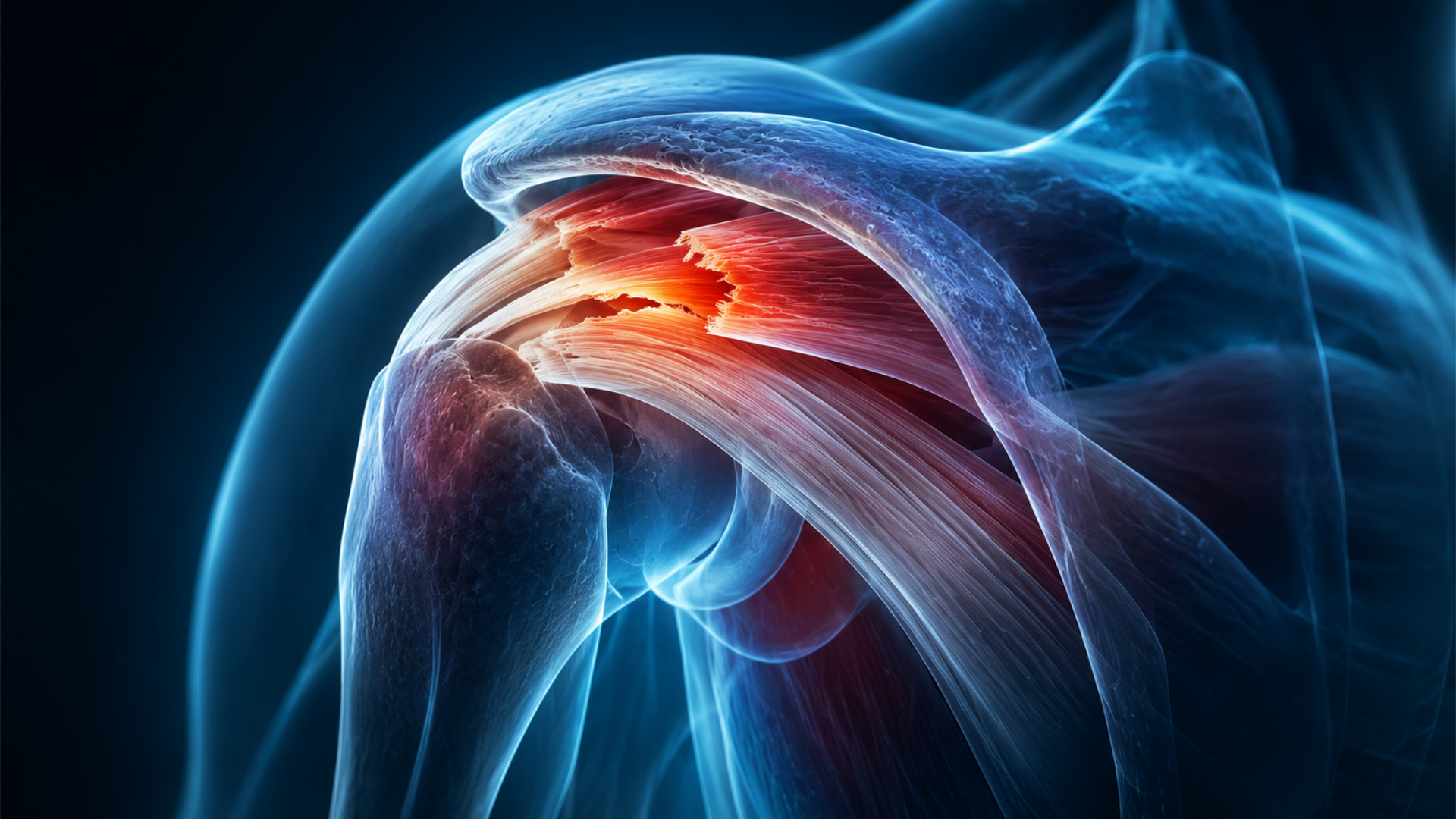
Rotator Cuff & Tendon Wear
Repetitive overhead use and age thin the rotator cuff tendons. Fraying, tendinopathy, and partial tears cause pain with lifting, reaching, and sleeping on the shoulder.


Don't let shoulder pain limit you. Interventional Orthopedics of Washington provides non-surgical, image-guided regenerative care for shoulder pain — focused on healing the root cause of pain and dysfunction, not just masking symptoms.
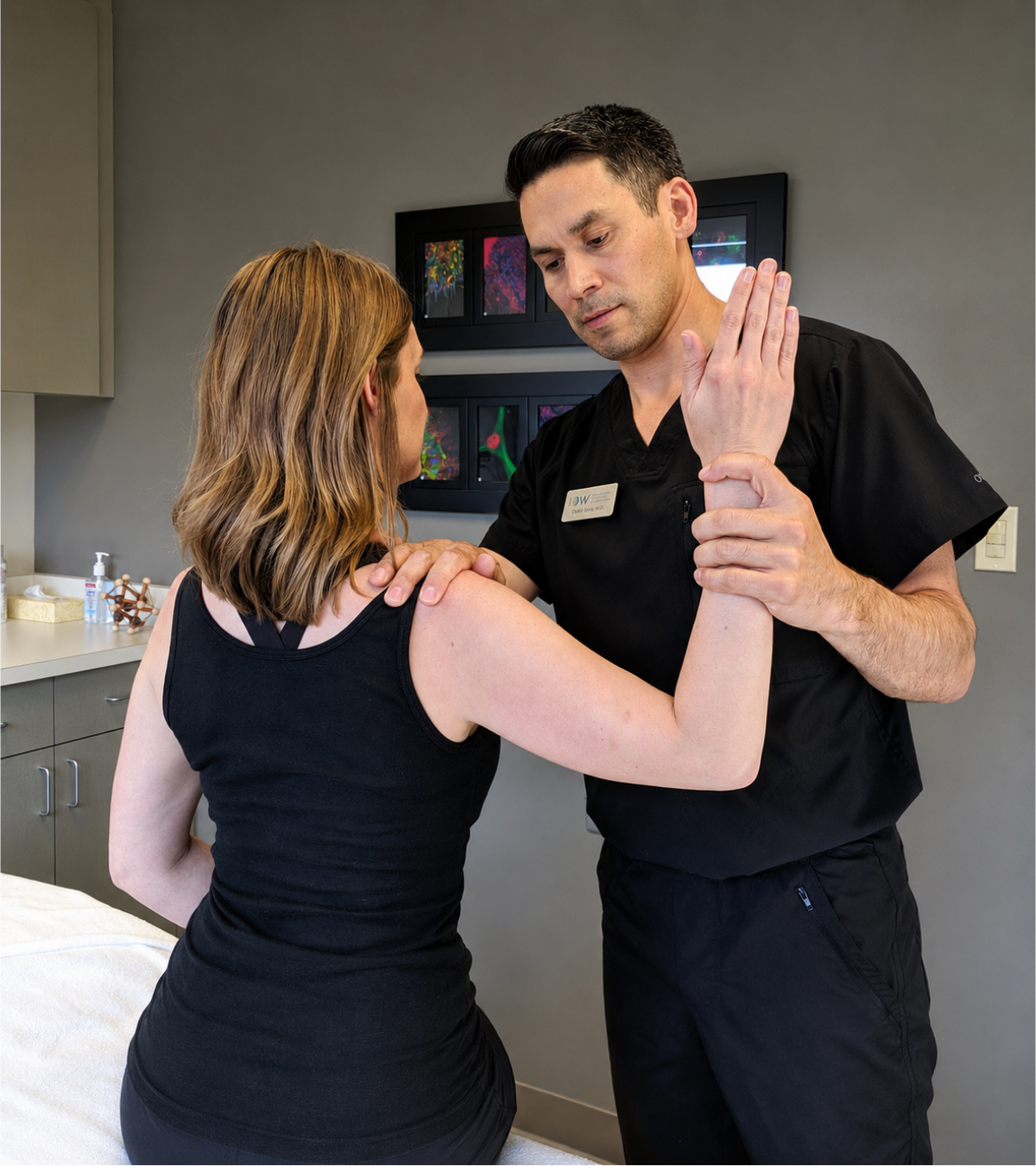
The shoulder is the most mobile joint in your body — and one of the most vulnerable to injury. Whether pain comes from overuse, trauma, or degeneration, it can interfere with reaching overhead, lifting, or even sleeping. At IOW we focus on identifying the true source, not just the symptoms.
Repetitive overhead use and age thin the rotator cuff tendons. Fraying, tendinopathy, and partial tears cause pain with lifting, reaching, and sleeping on the shoulder.
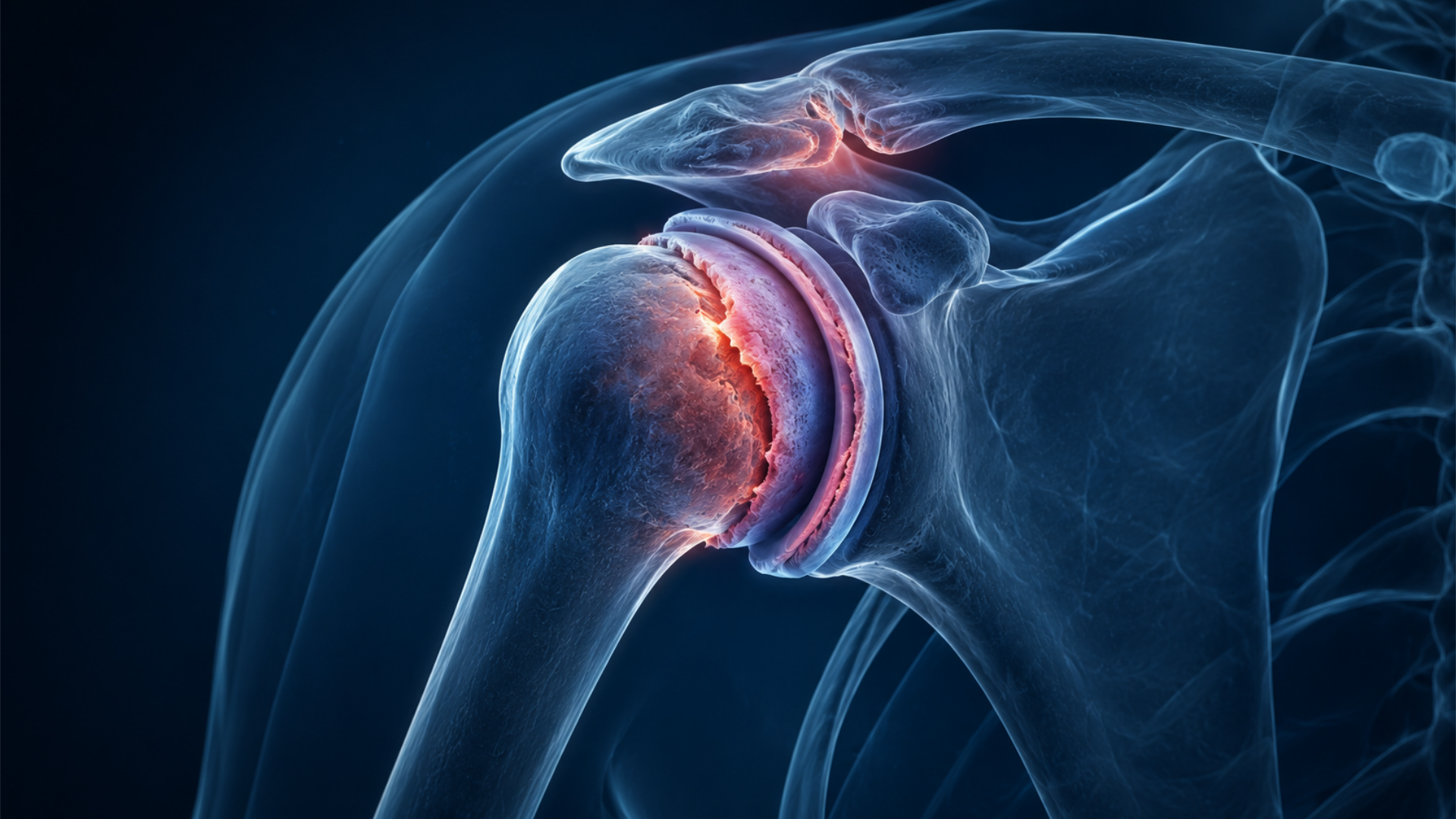
Arthritis in the glenohumeral or AC joint and labral wear reduce the smooth, cushioned movement of the shoulder — causing deep ache, stiffness, and grinding.
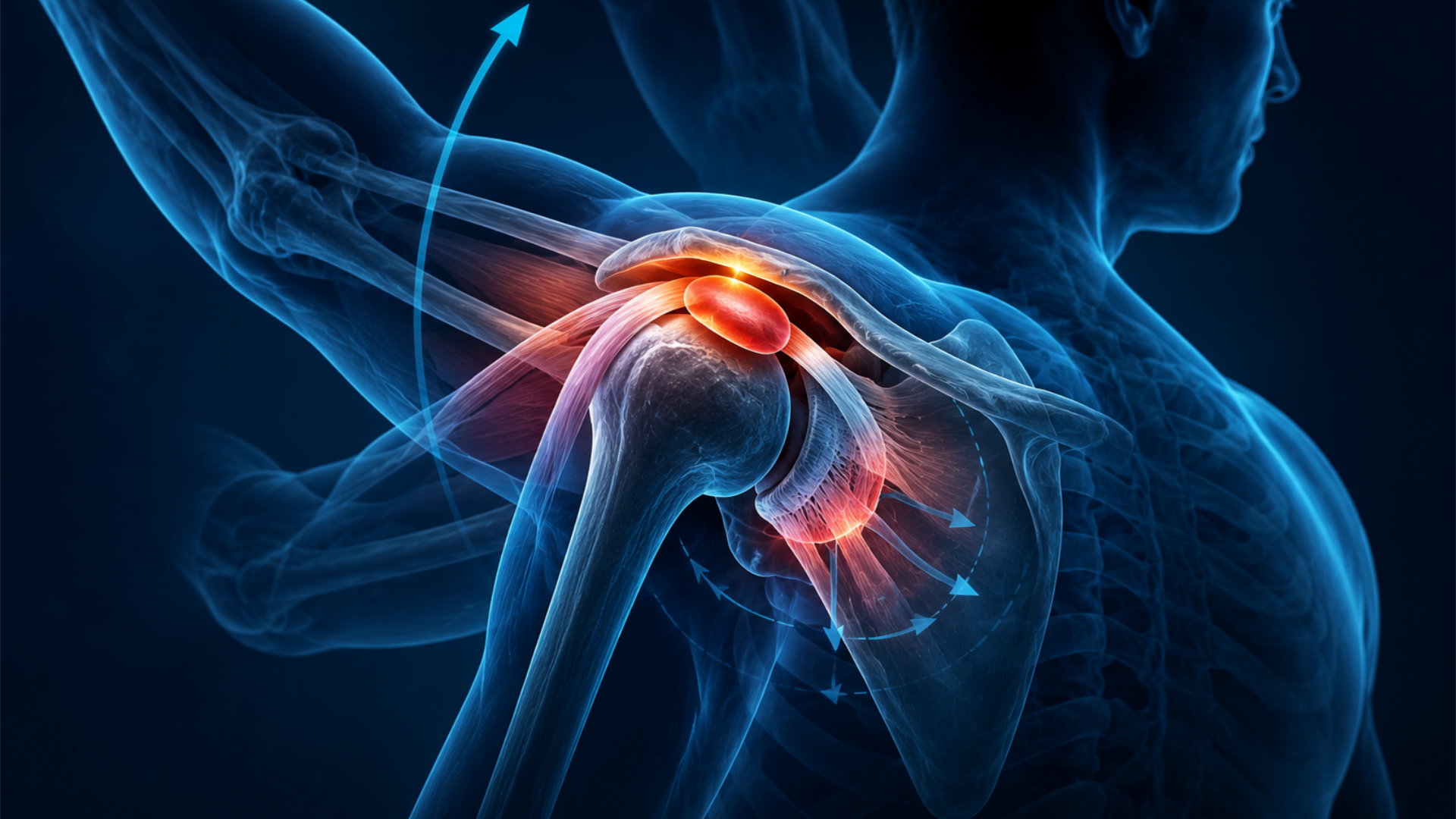
An inflamed bursa or loose, injured ligaments let the shoulder move poorly — pinching tendons with overhead motion and driving ongoing inflammation.
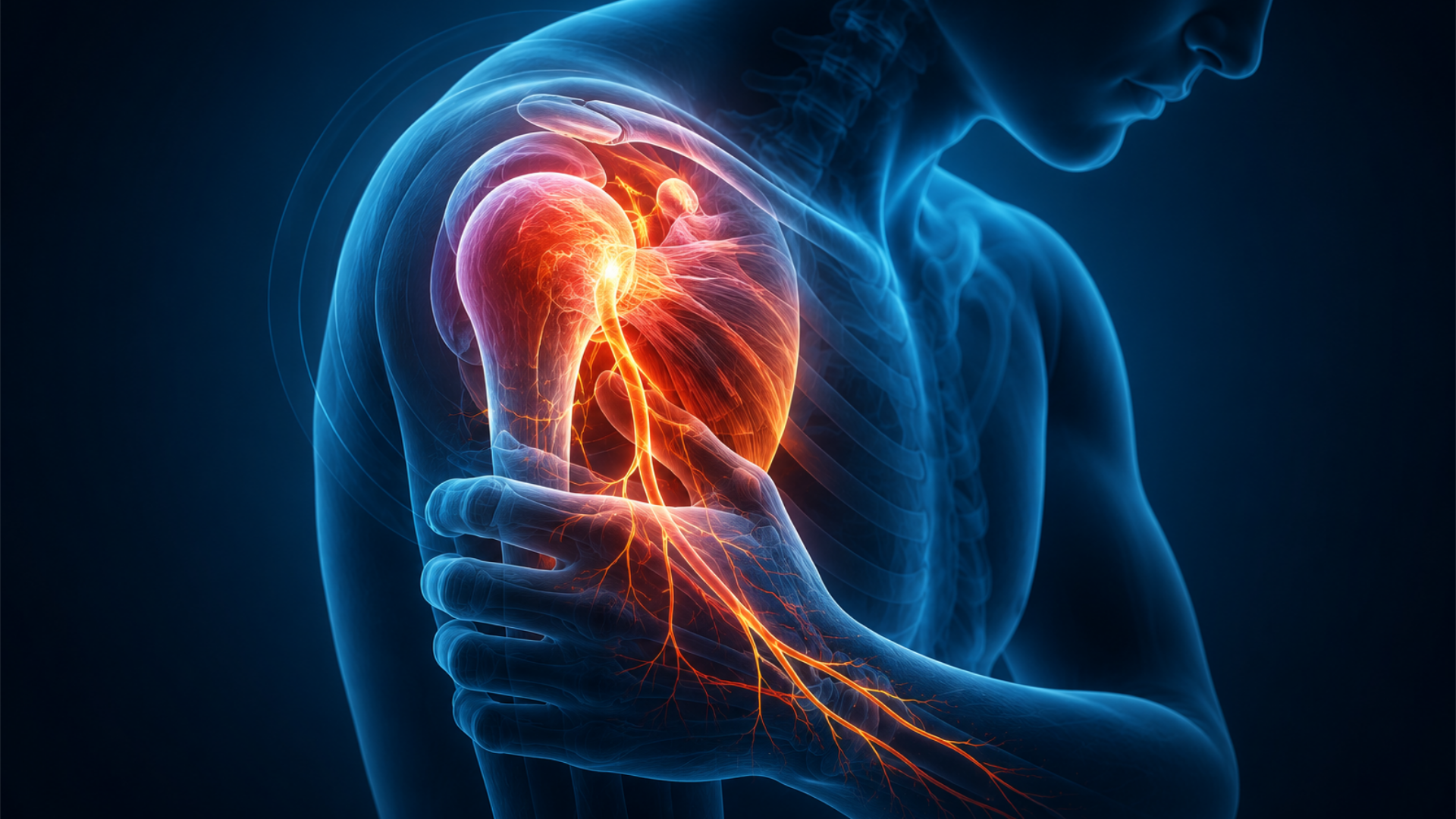
Irritated nerves and a tight, inflamed capsule (adhesive capsulitis) can severely limit motion and radiate pain through the shoulder and arm.
At IOW we take a regenerative, whole-body approach — image-guided care that heals the root cause of shoulder pain and dysfunction instead of simply masking symptoms.
We treat a wide range of shoulder conditions, both acute and chronic, affecting the bones, tendons, ligaments, nerves, and surrounding structures. These include:
Our goal is to identify whether your pain is coming from the rotator cuff, joint, labrum, capsule, tendon, bursa, nerve, bone, or related structures so treatment can be targeted precisely.
Our goal at IOW is to help you avoid surgery whenever possible. In fact, many shoulder injuries once thought to require surgery — like partial rotator cuff tears or frozen shoulder — can now be treated successfully with image-guided regenerative therapies.
Surgery may be appropriate only in rare cases — severe instability, full-thickness retracted tears, or structural problems that don’t respond to conservative care. If it’s needed, we’ll guide you through your options.
Using ultrasound and fluoroscopy, our doctors precisely treat pain-generating areas of the shoulder with regenerative injections. These include:
A physician-designed protocol combining precise diagnosis with targeted, image-guided regenerative treatment — tailored to your anatomy, lifestyle, and goals.
Finds the true source of your pain
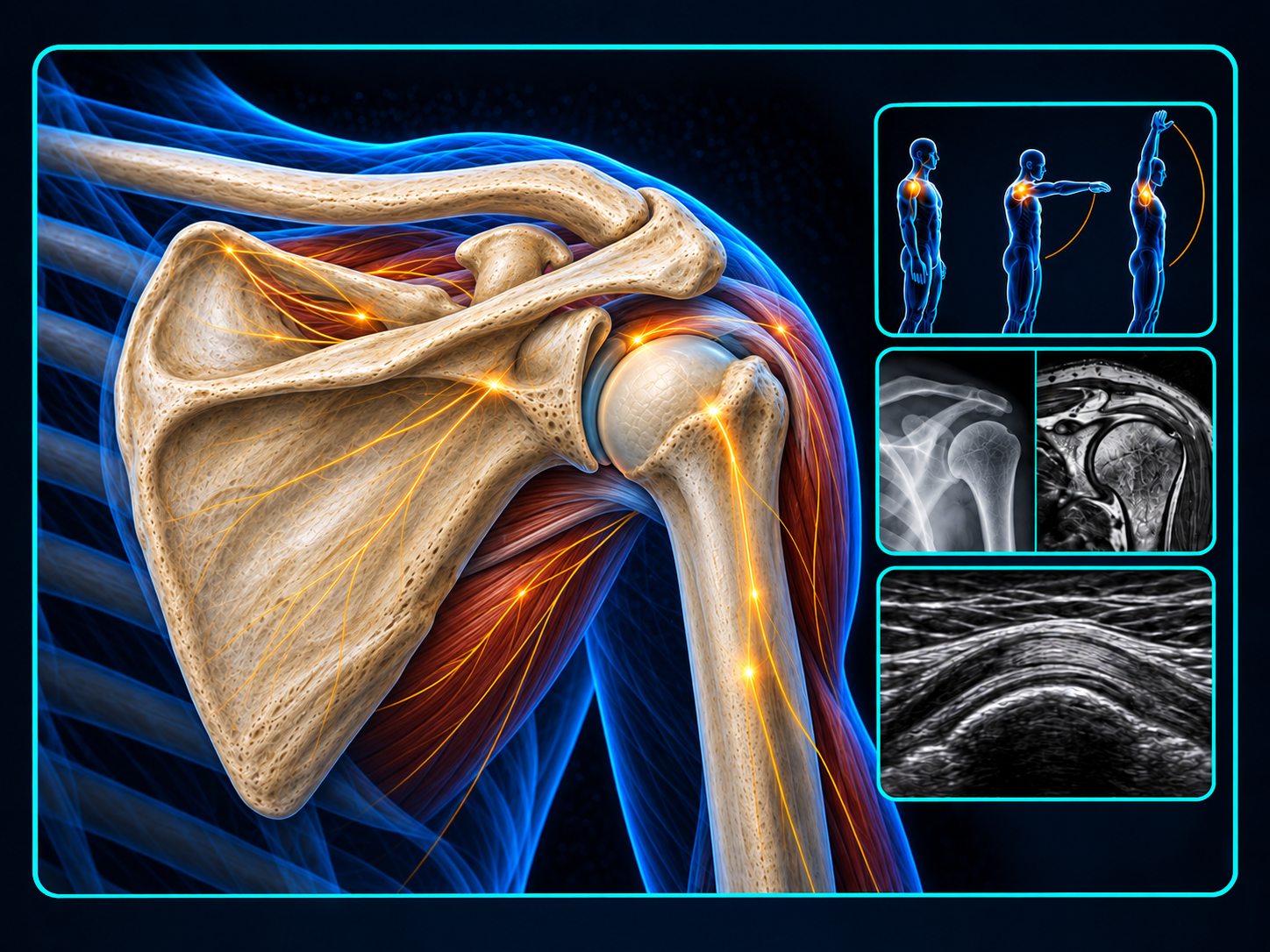
Stimulates your body's natural healing mechanisms
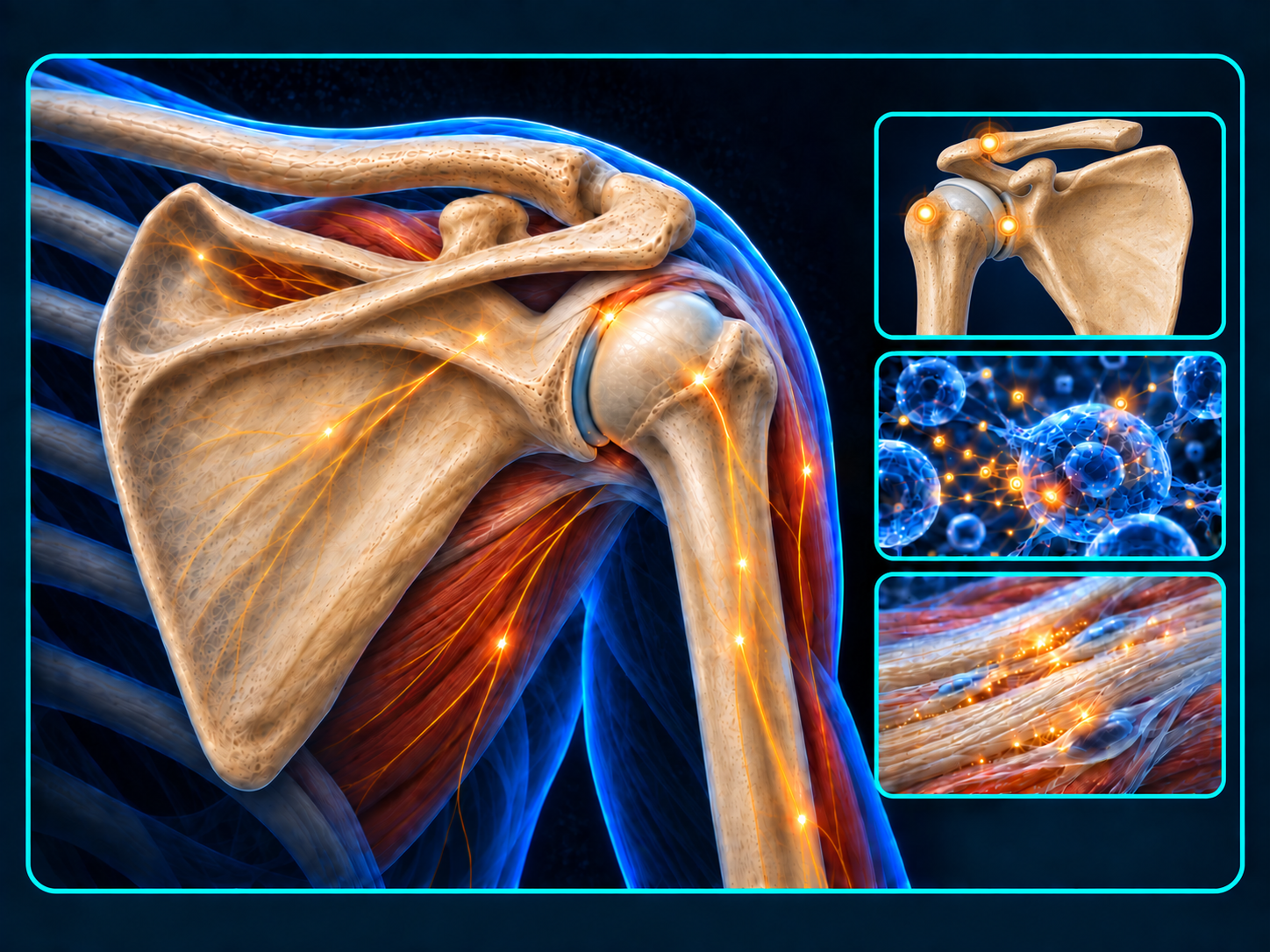
Precise diagnosis. Targeted regeneration.
All treatments are precisely delivered using ultrasound or fluoroscopy guidance to maximize precision and safety.
An evaluation may be helpful when shoulder pain, stiffness, weakness, or night pain continues despite a reasonable trial of physical therapy, activity modification, a home exercise program, or other appropriate first-line care.
This includes persistent symptoms after a fall, dislocation, sports injury, lifting incident, or repetitive overhead work. Painful clicking, catching, loss of motion, weakness, or a sense that the shoulder may slip out of place can warrant a more detailed assessment.
A detailed assessment may help when symptoms suggest rotator cuff tendinopathy or a partial tear, biceps tendon injury, labral injury, shoulder instability, bursitis, AC joint pain, or glenohumeral osteoarthritis. The evaluation can also assess whether symptoms may be referred from the neck or involve a nearby nerve.
Patients considering rotator cuff repair, labral or stabilization surgery, or shoulder replacement may benefit from reviewing the diagnosis, imaging, rehabilitation options, and reasonable non-surgical treatments before deciding on the next step. Acute fractures or dislocations, major traumatic tendon ruptures, infection, advanced joint destruction, humeral head collapse, or progressive neurologic symptoms may still require prompt specialist care.
The best candidates understand that recovery often requires progressive rotator cuff and scapular strengthening, mobility work, movement retraining, load management, and follow-up care. When an image-guided procedure is appropriate, it is generally one part of a broader treatment plan.
The evaluation determines candidacy: not every shoulder condition is appropriate for an injection or regenerative procedure. Acute fracture or dislocation, infection, rapidly progressive weakness or numbness, a suspected major acute tendon rupture, advanced joint destruction, humeral head collapse, and other urgent or clearly surgical problems may require different care or specialist referral.
Schedule an evaluation to review your symptoms, examination findings, shoulder and scapular mechanics, previous treatment, and imaging. In-person care is recommended when a hands-on shoulder and neck examination or diagnostic ultrasound is needed. Telemedicine may be available for an initial records and imaging review.
Many shoulder conditions are managed non-surgically first, while certain fractures, dislocations, acute traumatic tendon injuries, recurrent instability, advanced arthritis, infections, and other major structural problems may require surgical care. The right sequence depends on the diagnosis, severity, function, examination findings, imaging, activity goals, and response to appropriate prior treatment.
Your visit begins with a diagnosis-focused evaluation rather than assuming that every painful, weak, stiff, clicking, or unstable shoulder comes from the same structure or should receive the same treatment.
Recommendations are explained in plain language, including expected benefits, limitations, alternatives, risks, recovery considerations, and when a procedure is not appropriate.
Treatment planning considers shoulder and scapular rehabilitation, stability, mobility, strength, movement quality, load tolerance, work or activity goals, and follow-up instead of relying on a procedure alone.
These cards describe the care process and are not patient testimonials or promises of treatment outcome. Verified shoulder pain reviews can be added here later without changing the section layout.
Not ready to book yet? Explore our latest articles on shoulder pain, PRP, and avoiding unnecessary shoulder surgery.
PRP Recovery · Rotator Cuff & Shoulder
Follow a week-by-week shoulder PRP recovery timeline covering early soreness, mobility, progressive strengthening, physical therapy, return-to-activity milestones, and long-term expectations.
Read Article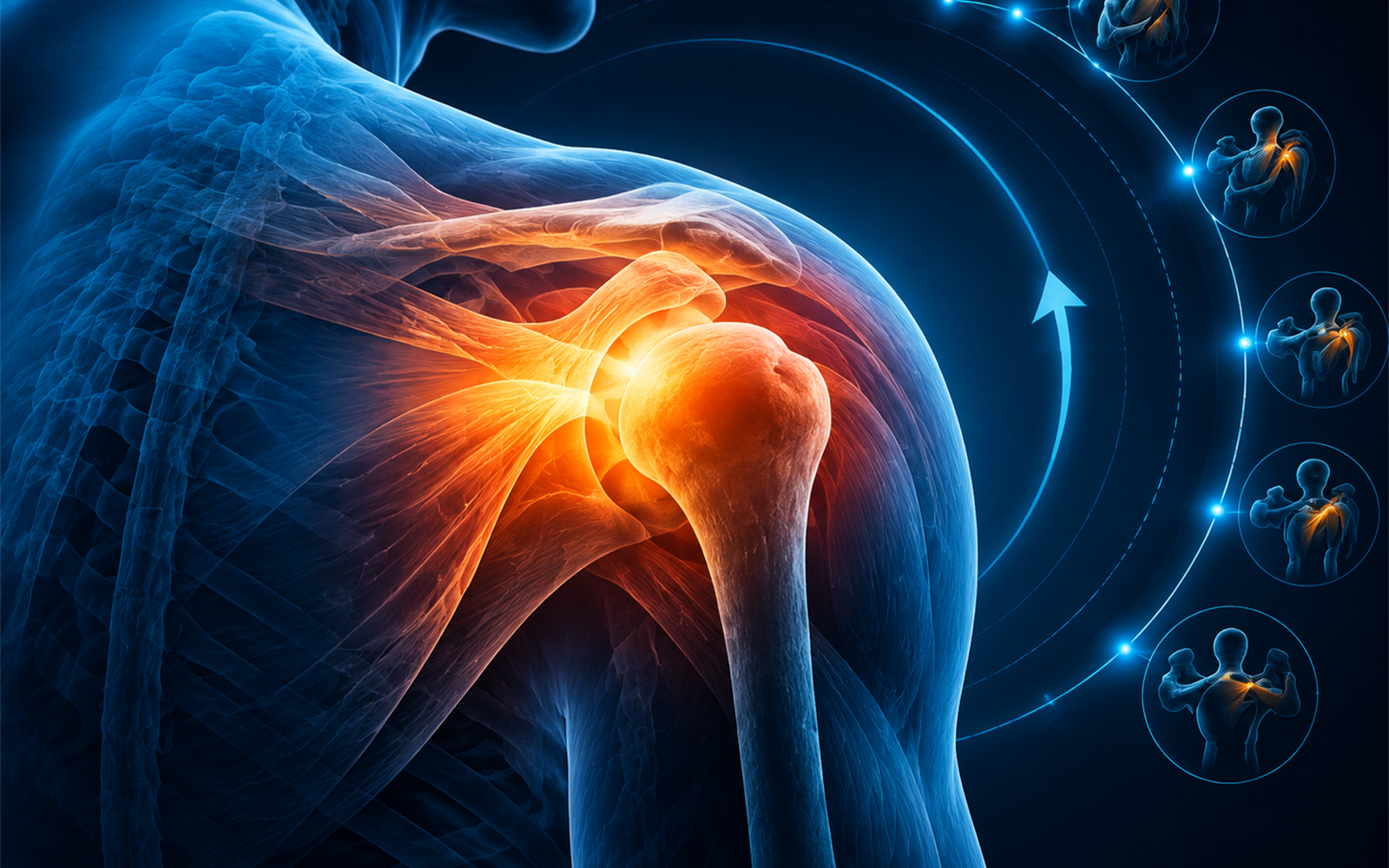
Cellular Therapy · Rotator Cuff & Shoulder
Review how autologous cellular therapy is prepared, why image guidance and diagnosis matter, which safety and candidacy factors to consider, and how it may apply to selected shoulder rotator cuff injuries.
Read Article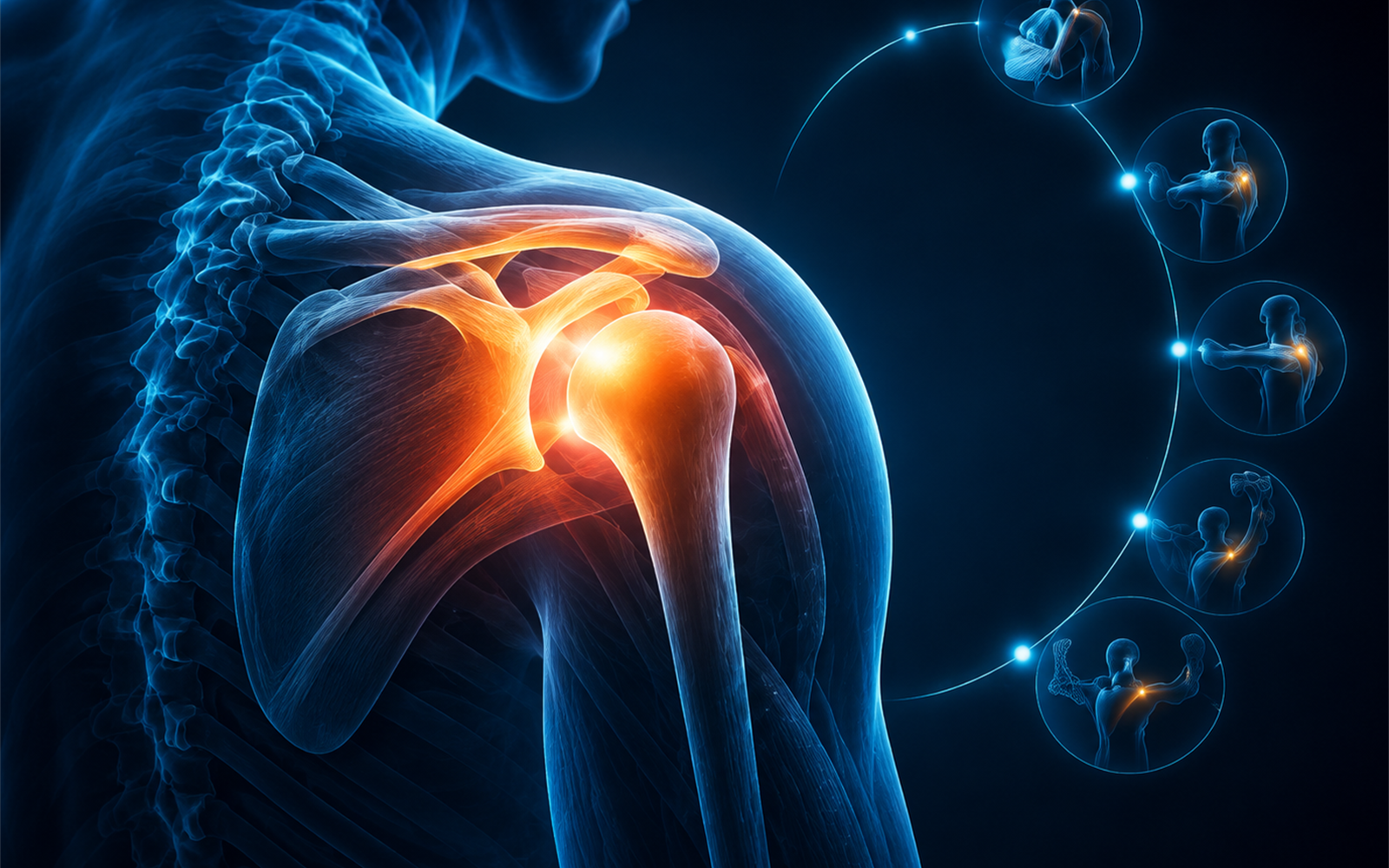
PRP Safety · Shoulder Injuries
Learn how image-guided PRP is prepared and delivered, which temporary side effects and safety considerations to understand, and how candidacy is evaluated for shoulder and other orthopedic injuries.
Read Article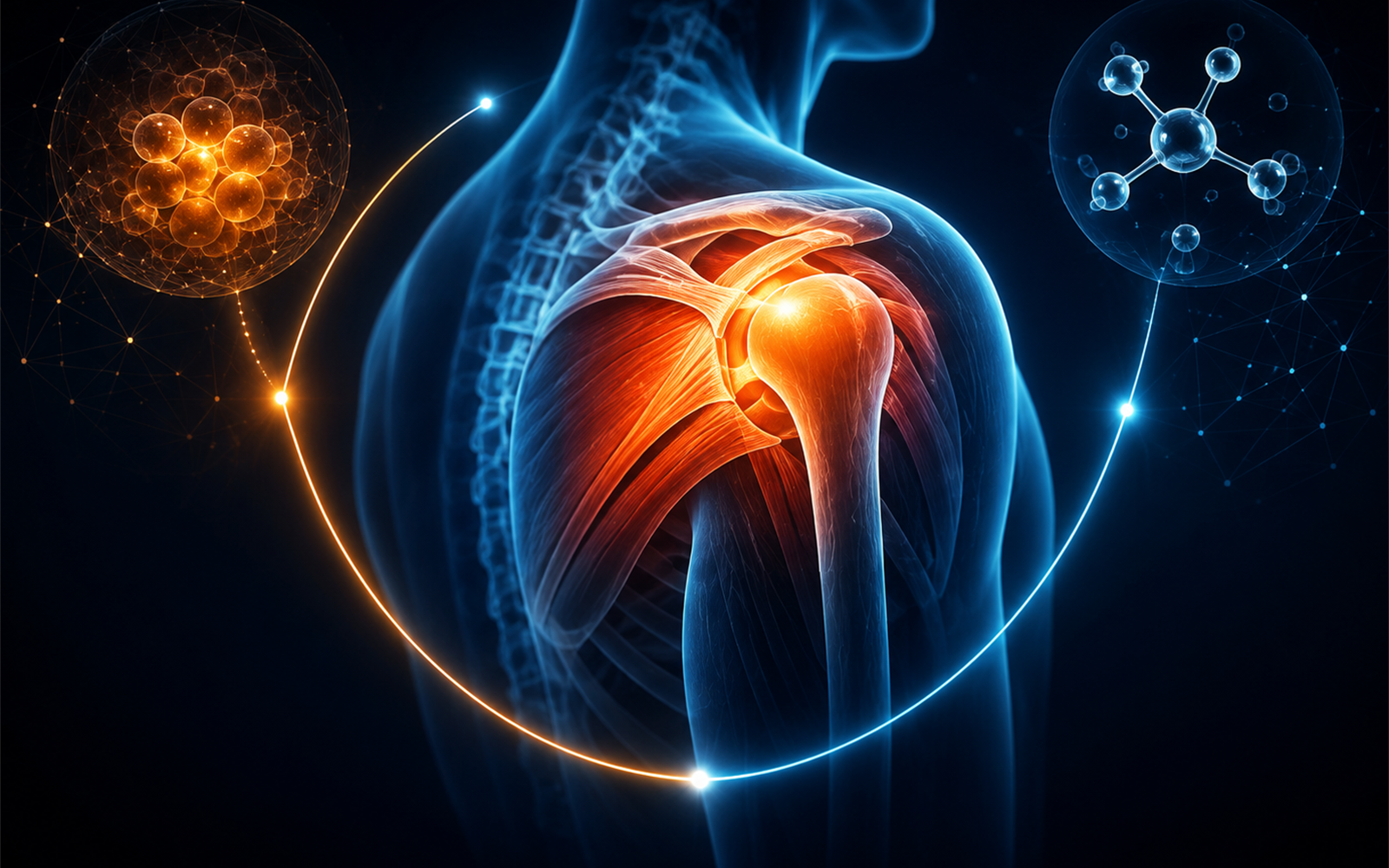
PRP vs Prolotherapy · Shoulder Care
Compare PRP and prolotherapy by preparation, evidence, treatment frequency, recovery, risks, and clinical use for joint, tendon, or ligament-related shoulder pain.
Read ArticleAnswers to common questions about shoulder pain, rotator cuff injuries, frozen shoulder, posture-related pain, diagnostic evaluation, and non-surgical regenerative treatment options.
The shoulder’s wide range of motion makes it prone to injury, especially during repetitive movements or trauma. Pain often stems from rotator cuff strains, labral tears, tendonitis, or referred tension from the neck or spine.
Shoulder damage can result from overuse, such as throwing or lifting, falls, car accidents, or degeneration over time. Even simple movements like reaching or sleeping on your side can aggravate underlying issues.
Delaying treatment can worsen tears, cause joint degeneration, or lead to adhesive capsulitis, also known as frozen shoulder. Early intervention promotes better healing and helps you avoid long-term limitations.
We use detailed exams, movement assessments, in-office diagnostic ultrasound, and sometimes targeted injections to map out the true pain source, whether it’s joint, tendon, nerve, or muscle related.
Often, yes. Tension in the neck, poor posture, or upper spine dysfunction can all contribute to shoulder pain, which is why we take a whole-body approach to diagnosis and treatment.
We offer non-surgical solutions like PRP, prolotherapy, and stem cell therapy to heal damaged tissues. These image-guided injections are highly precise and often help avoid surgery for conditions like rotator cuff tears or frozen shoulder.
You might be a candidate for non-surgical, image-guided regenerative care. Schedule your free discovery call and let’s explore your options.
Medically reviewed by Dr. Otoño Silva, M.D.
Board Certified in Physical Medicine & Rehabilitation · Fellowship-Trained in Interventional Orthopedics, Centeno-Schultz Clinic
Last reviewed