01
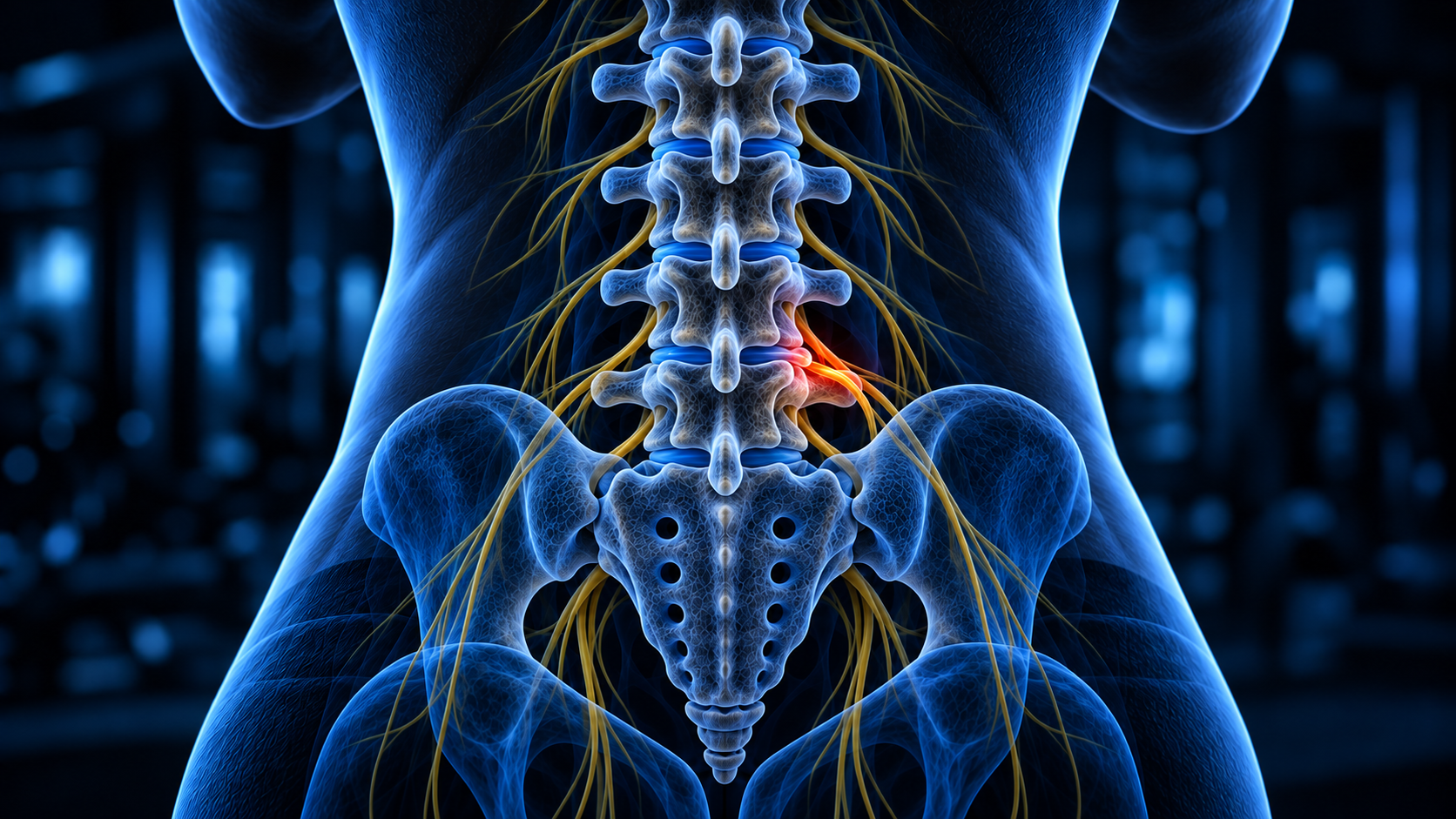
Disc Degeneration & Herniation
Discs lose height and hydration with age or injury. Bulging, herniated, or torn discs can press on nearby nerves and trigger lower back pain or sciatica.

Don't let back pain run your life. Interventional Orthopedics of Washington provides non-surgical, image-guided care for spine and back pain — focused on identifying the underlying cause, restoring function, improving stability, and supporting tissue healing.
Lower back pain is one of the most common health concerns in the United States, affecting a large majority of adults at some point in their lives. At IOW, our providers focus on identifying the underlying cause rather than simply managing symptoms — because back pain rarely has just one source.
Discs lose height and hydration with age or injury. Bulging, herniated, or torn discs can press on nearby nerves and trigger lower back pain or sciatica.
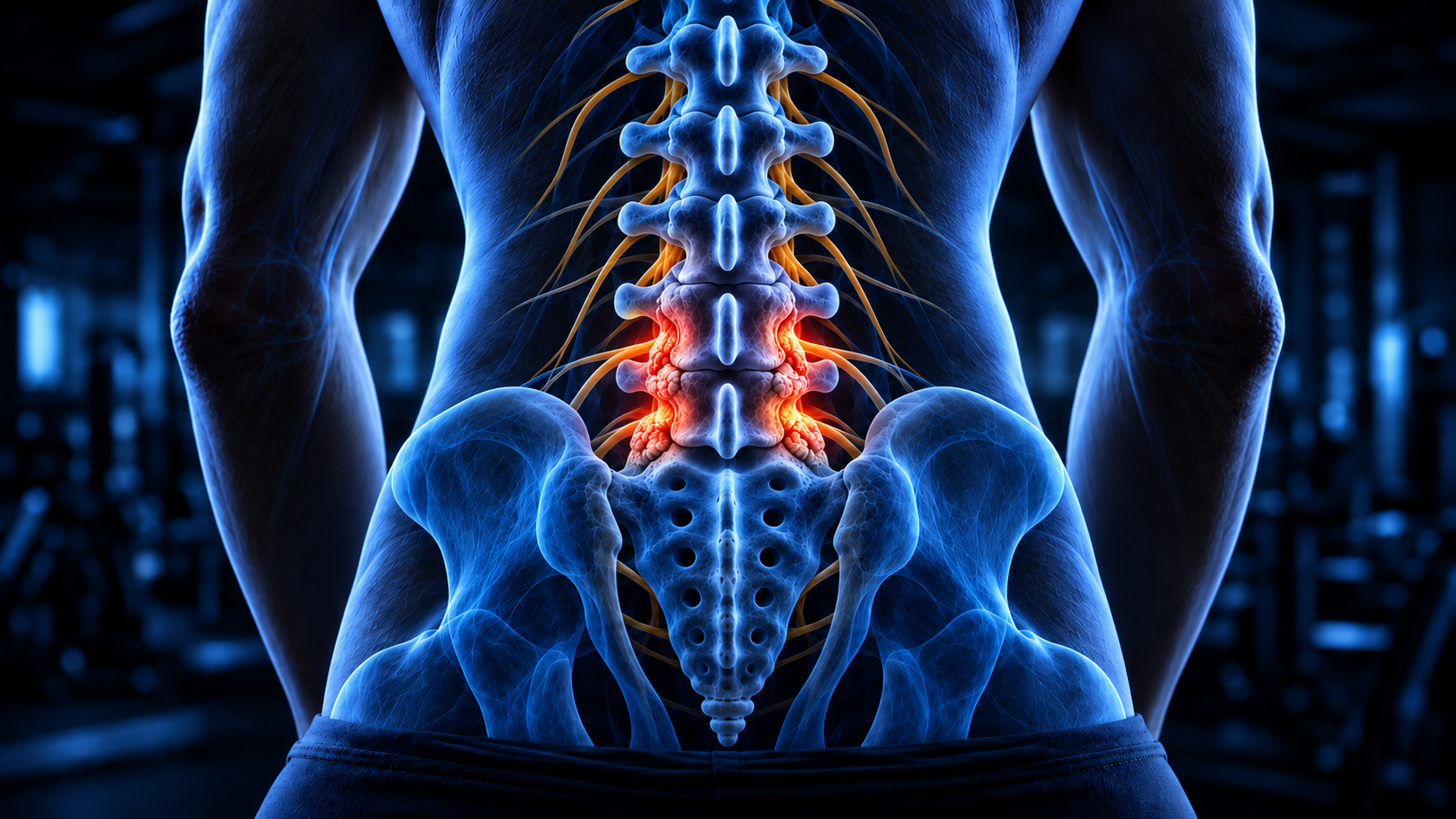
Arthritis and facet joint degeneration in the lumbar spine cause stiffness, inflammation, and aching pain that often worsens with standing or bending.
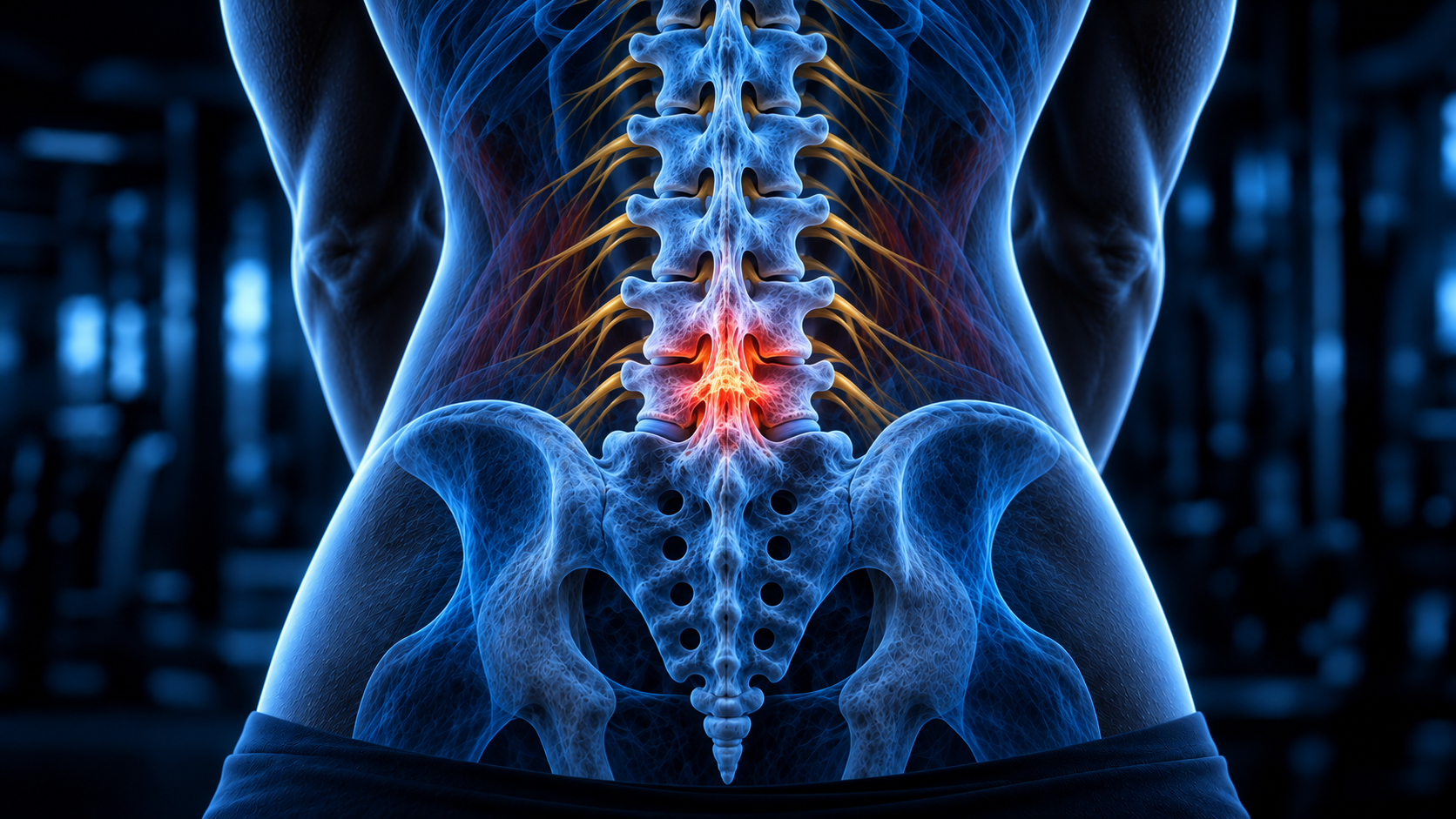
Weak or injured ligaments and conditions like spondylolisthesis let vertebrae shift, straining surrounding muscles, joints, and nerves.
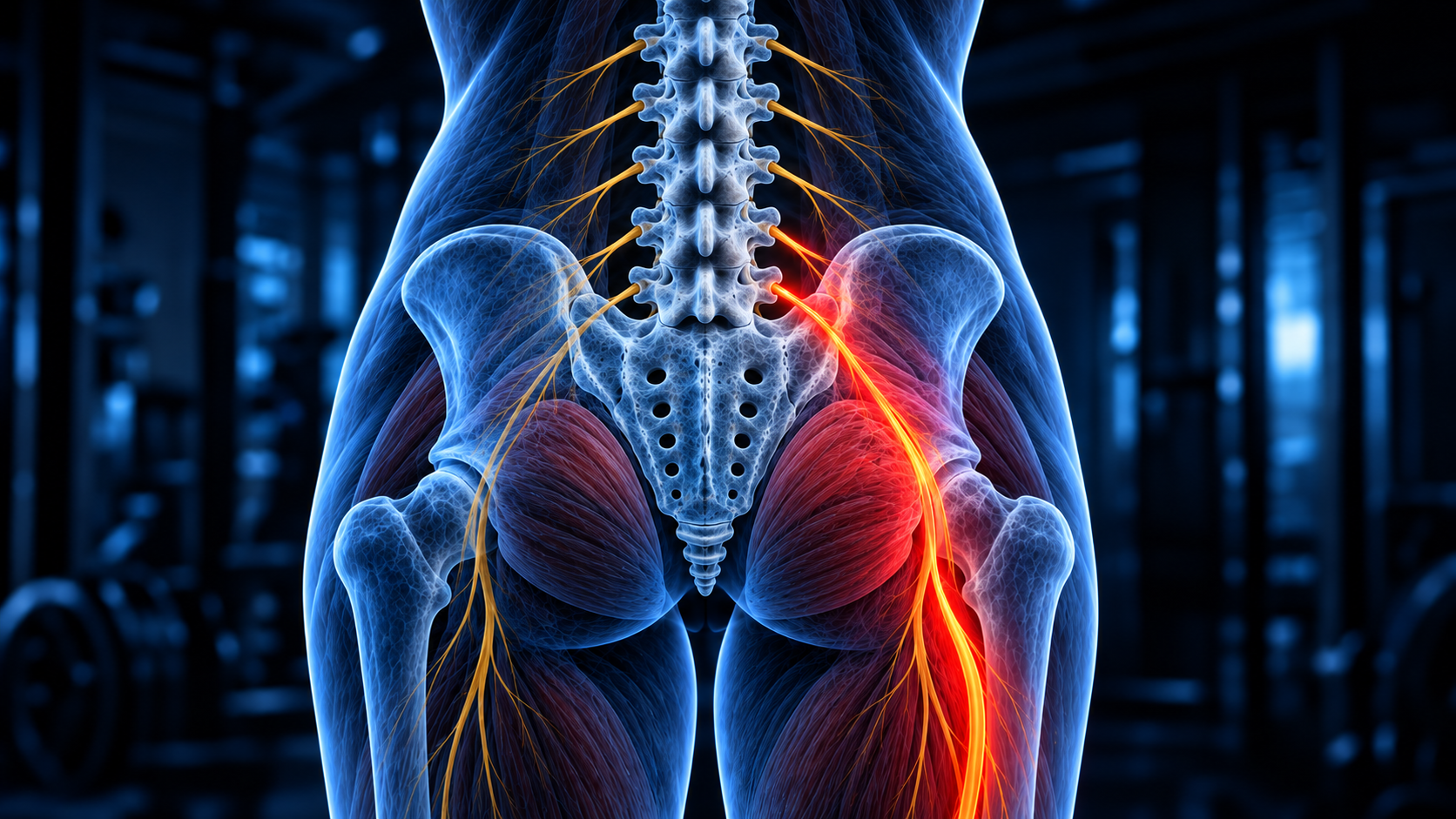
Compressed nerves, cluneal nerve entrapment, and weak stabilizers like the multifidus can radiate pain into the hips, buttocks, and legs.
Care at IOW is guided by a biomechanical understanding of the spine, with an emphasis on restoring function, improving stability, and supporting tissue healing through evidence-based, non-surgical treatments — including regenerative medicine when appropriate.
Whether your pain stems from injury, wear-and-tear, or post-surgical complications, we treat a broad spectrum of conditions, including:
Our goal is to identify whether pain is coming from discs, joints, ligaments, nerves, muscles, post-surgical changes, or related structures so treatment can be targeted instead of generalized.
Surgery is often presented as the first or only option, but at IOW, we consider it a last resort. Many patients with chronic back pain, degenerative disc disease, or even post-surgical pain can benefit from regenerative procedures that reduce inflammation, repair tissues, and restore function without undergoing the risks of surgery or long recovery times.
We’ll help you explore all evidence-based, non-surgical alternatives first, only referring to surgery when it’s absolutely necessary.
Our doctors’ advanced diagnostic methods allow us to target treatment to very specific anatomical areas of the spine and surrounding structures, including:
A physician-designed protocol combining precise diagnosis with targeted, image-guided regenerative treatment — tailored to your anatomy, lifestyle, and goals.
Finds the true source of your pain
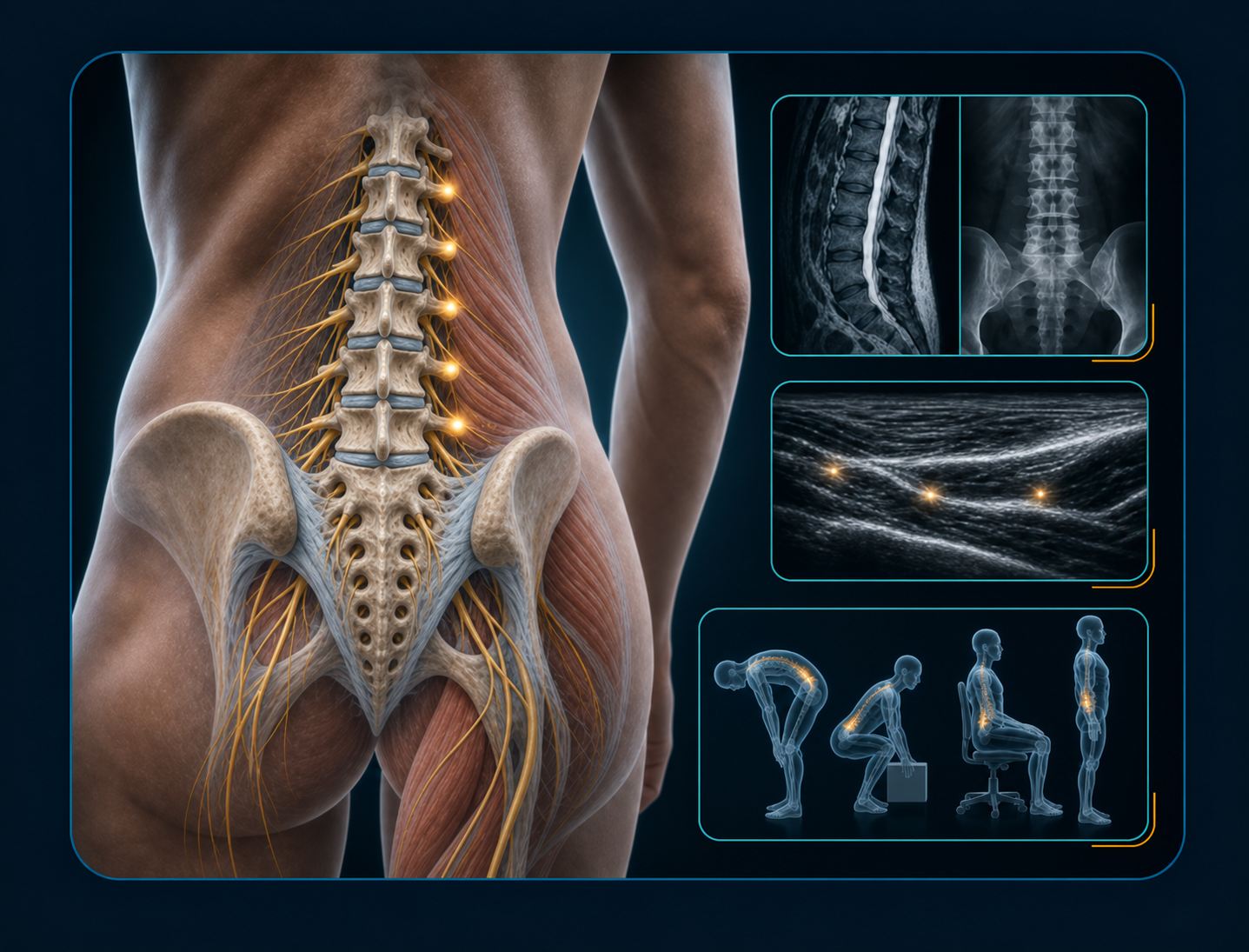
Stimulates your body's natural healing mechanisms
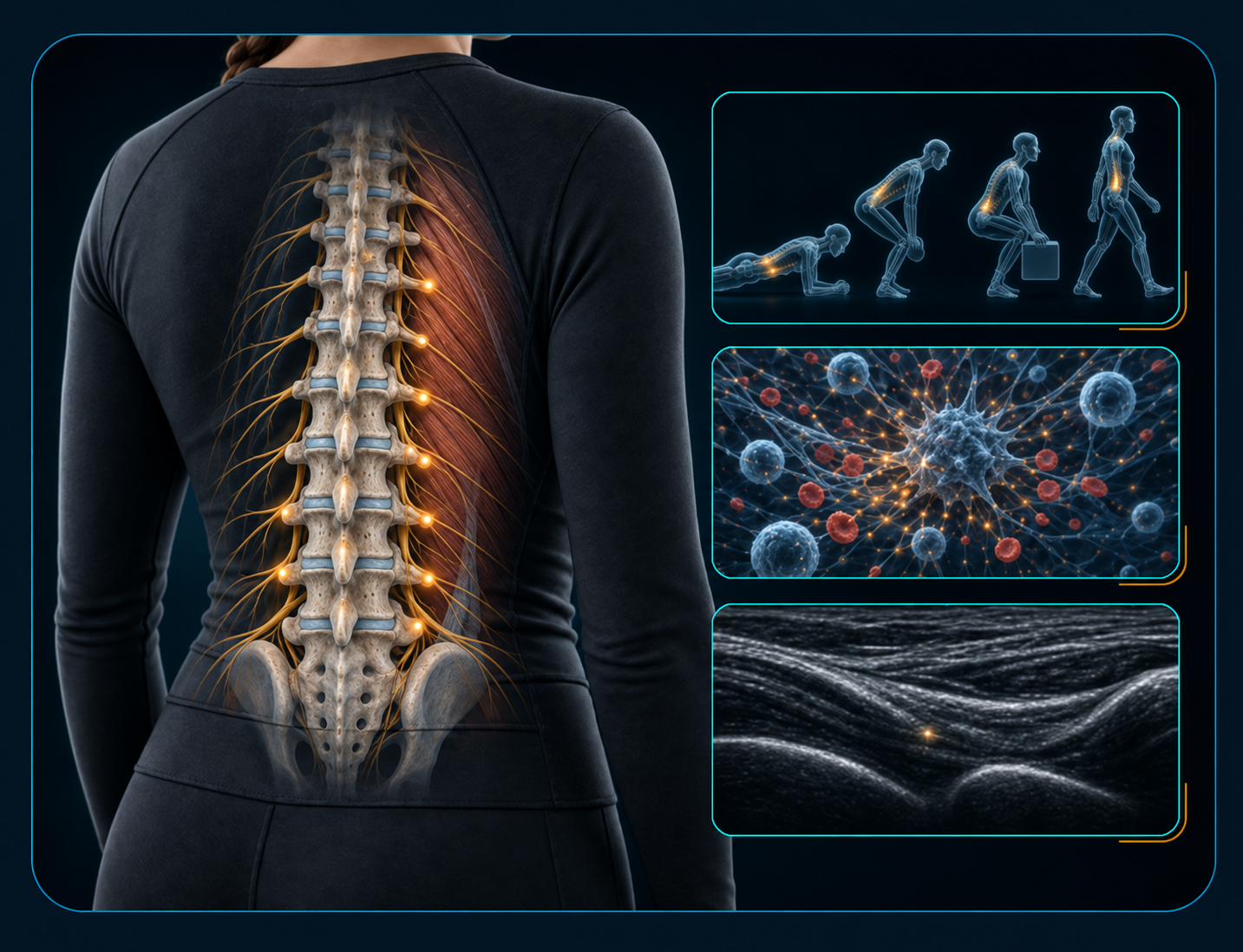
Precise diagnosis. Targeted regeneration.
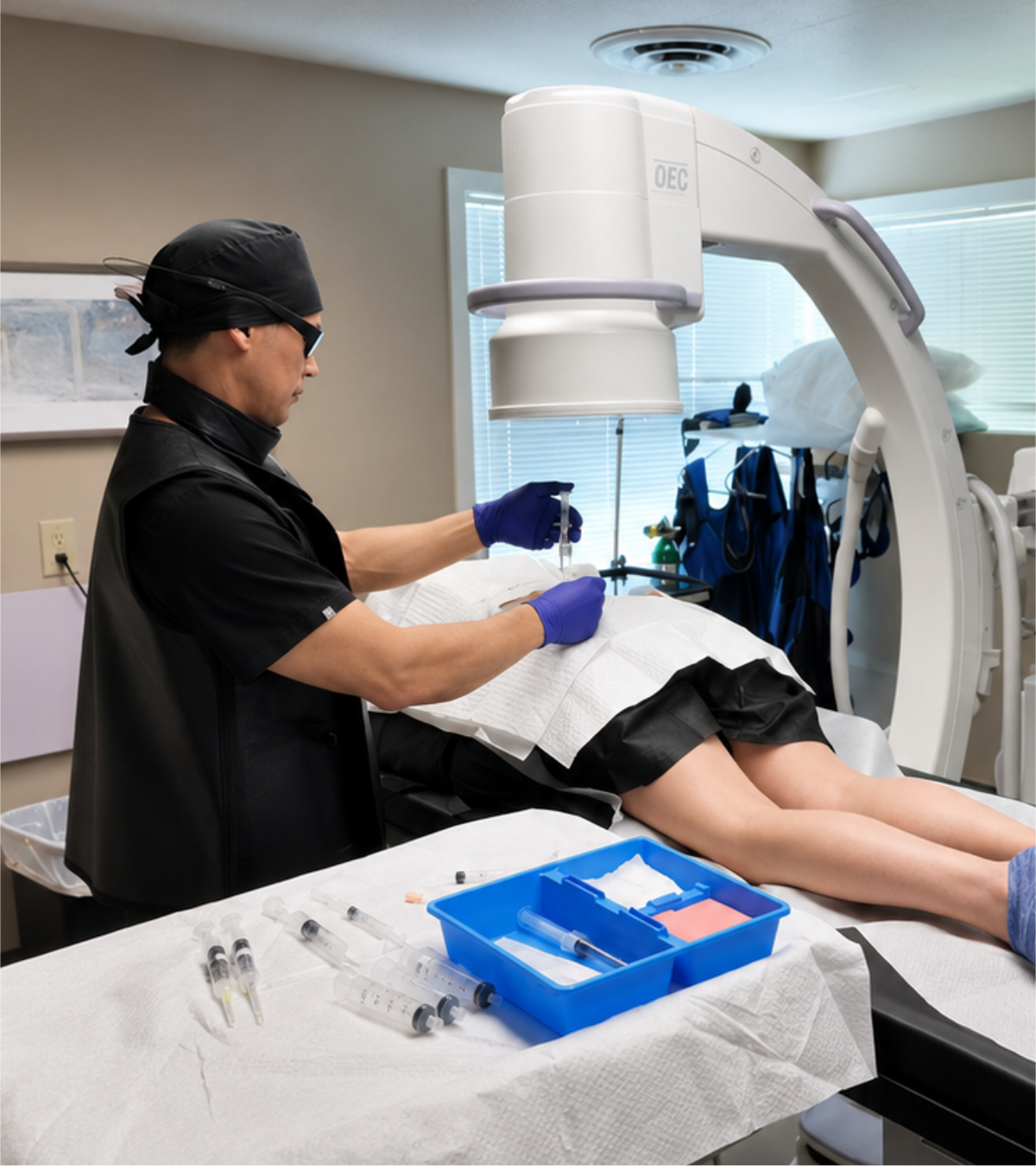
All treatments are precisely delivered using fluoroscopy or ultrasound guidance to maximize effectiveness and safety.
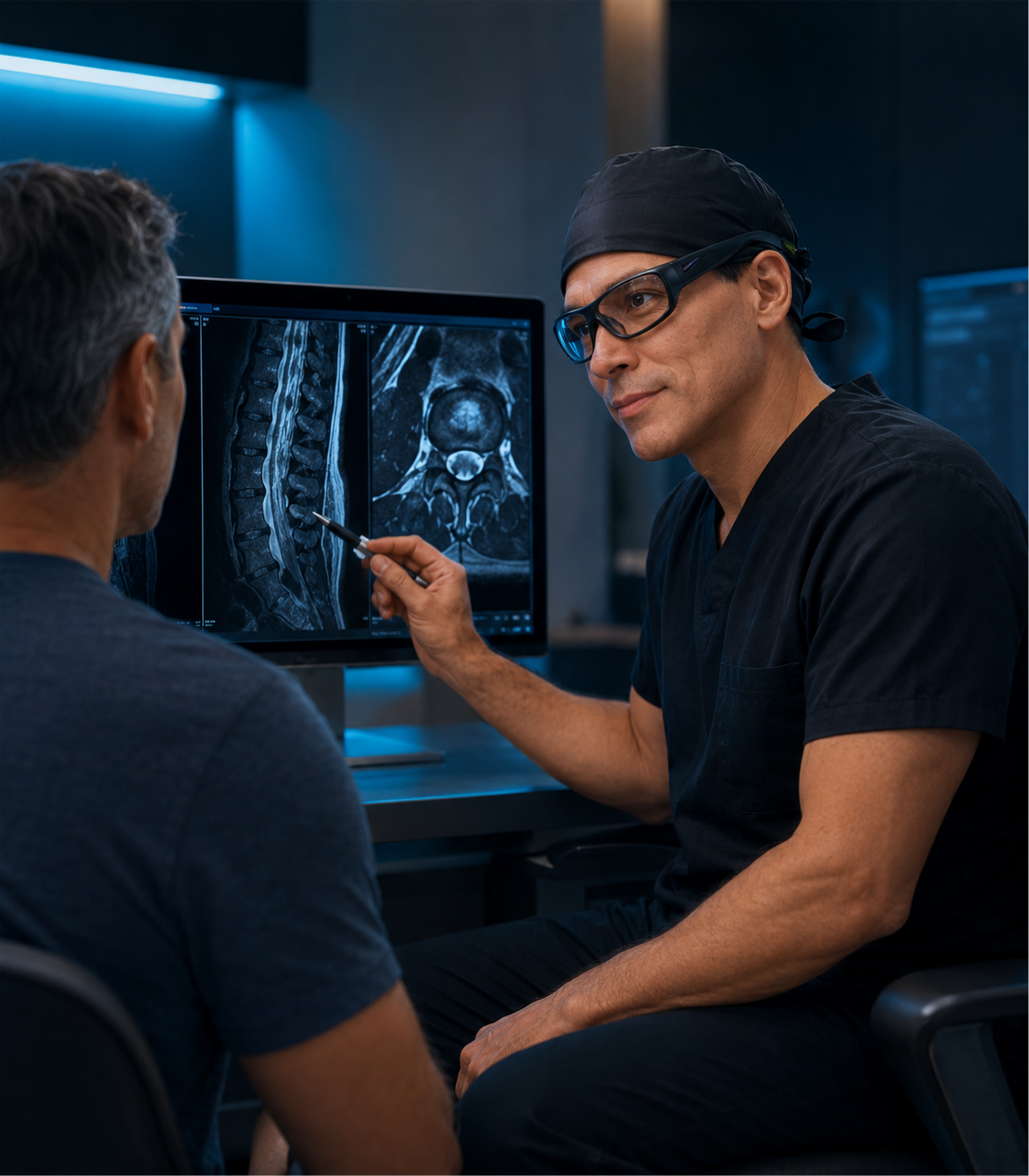
Your physician reviews your history, examines your spine, assesses movement, and reviews or orders imaging (X-ray, MRI, DMX, ultrasound) to identify the true source of your pain.
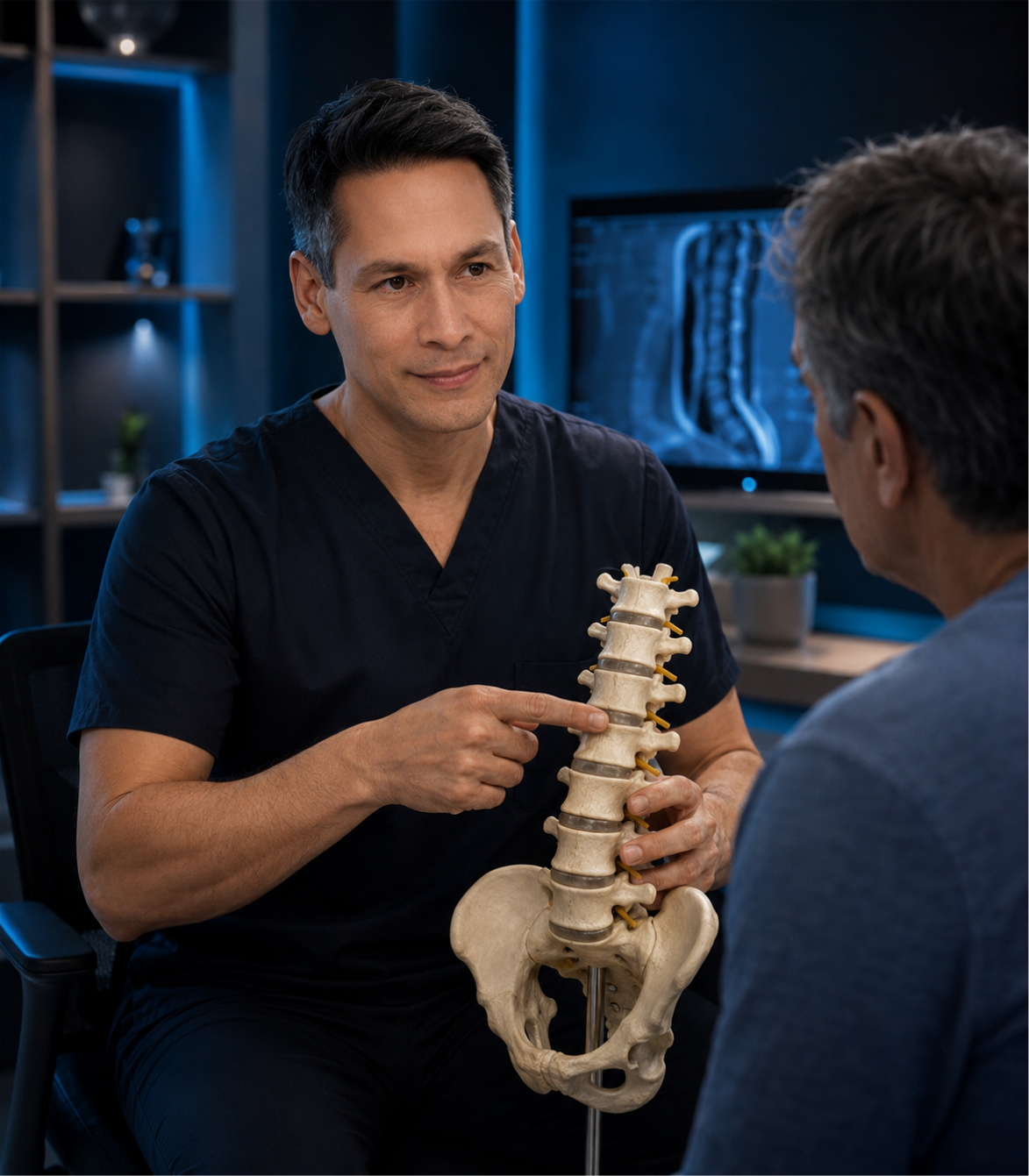
An integrative plan is built around your anatomy, lifestyle, and goals — targeting the specific discs, joints, ligaments, muscles, or nerves involved.
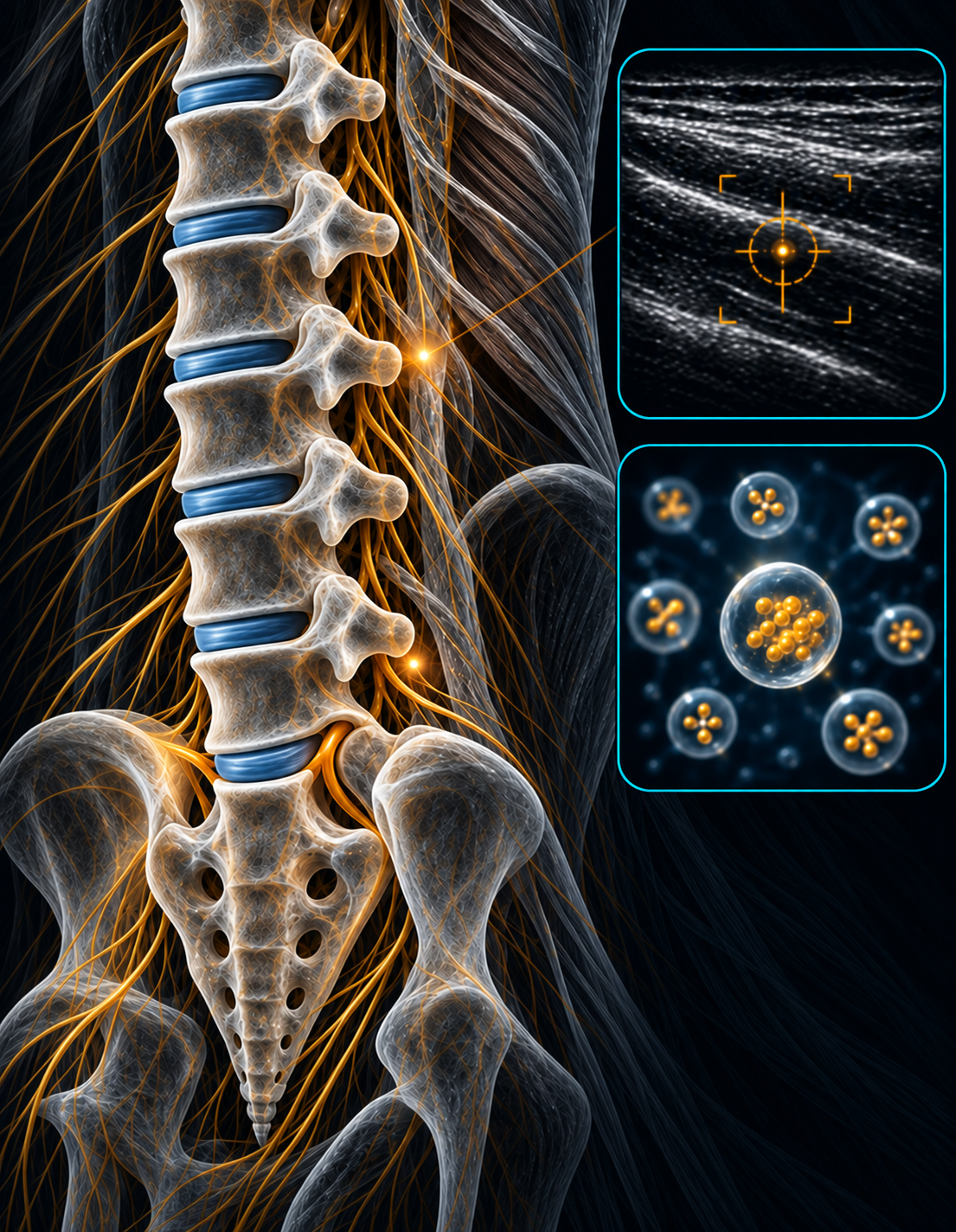
Precise, physician-administered PRP, prolotherapy, epidural, or nerve treatments are delivered directly to the problem areas under ultrasound or fluoroscopy guidance.

Over the following weeks, treated tissues strengthen and inflammation settles. Follow-up visits track your progress toward lasting, functional relief.
Results develop progressively as treated tissues heal, with pain, tension, and stiffness typically easing over the weeks following treatment.
As discs, ligaments, and supporting tissues strengthen, many patients notice better spinal stability, smoother movement, and easier bending and lifting.
Treating irritated discs, joints, and nerves at the source may reduce pain radiating into the hips, buttocks, and legs.
The goal is durable, functional recovery that restores your daily life while preserving your natural anatomy and keeping all future options open.
Please note: individual outcomes vary based on anatomy, condition severity, overall health, and treatment plan.
A strong fit if physical therapy, chiropractic, or massage brought only temporary relief and your back pain keeps returning.
Ideal for pain, numbness, or tingling that travels from the back into the hips, buttocks, or legs from an irritated or compressed nerve.
A good fit for degenerative discs, facet arthritis, SI joint dysfunction, or spondylolisthesis driving ongoing back pain.
Ideal for patients exploring every non-surgical option before committing to spinal fusion, ablation, or repeated cortisone injections.
Ideal for patients dealing with pain after spine surgery, scar tissue, or hardware issues who want targeted, non-surgical support.
Best way to know: a personalized evaluation determines whether regenerative treatment matches your anatomy, condition, and goals. And if imaging reveals severe structural instability, we coordinate with trusted specialists for further care.
In-person and telemedicine evaluations available. Find out if regenerative treatment is right for your spine or back pain — before committing to surgery.
Surgery has its place — but it's rarely the only option, and it's never reversible. Here's what the research says about spinal fusion and back surgery, and how our approach differs.
Treating the Spine as a Functional Unit with PRP
Patient Stories
“I’m hopeful that now I’ll be able to avoid spine surgery.”
Leslie B.
Spine PRP Treatment · Google Review
“He fixed issues I thought I had to live with for life.”
Jean C.
Chronic Pain Treatment · Google Review
“Since my treatment, my headaches have disappeared and my low back pain is gone!”
Stephanie D.
Low Back Pain Treatment · Patient Review
Individual results vary. Review excerpts may be shortened for display while preserving their original meaning.
Not ready to book yet? Explore our latest articles on regenerative medicine, PRP, and avoiding unnecessary spine and back surgery.
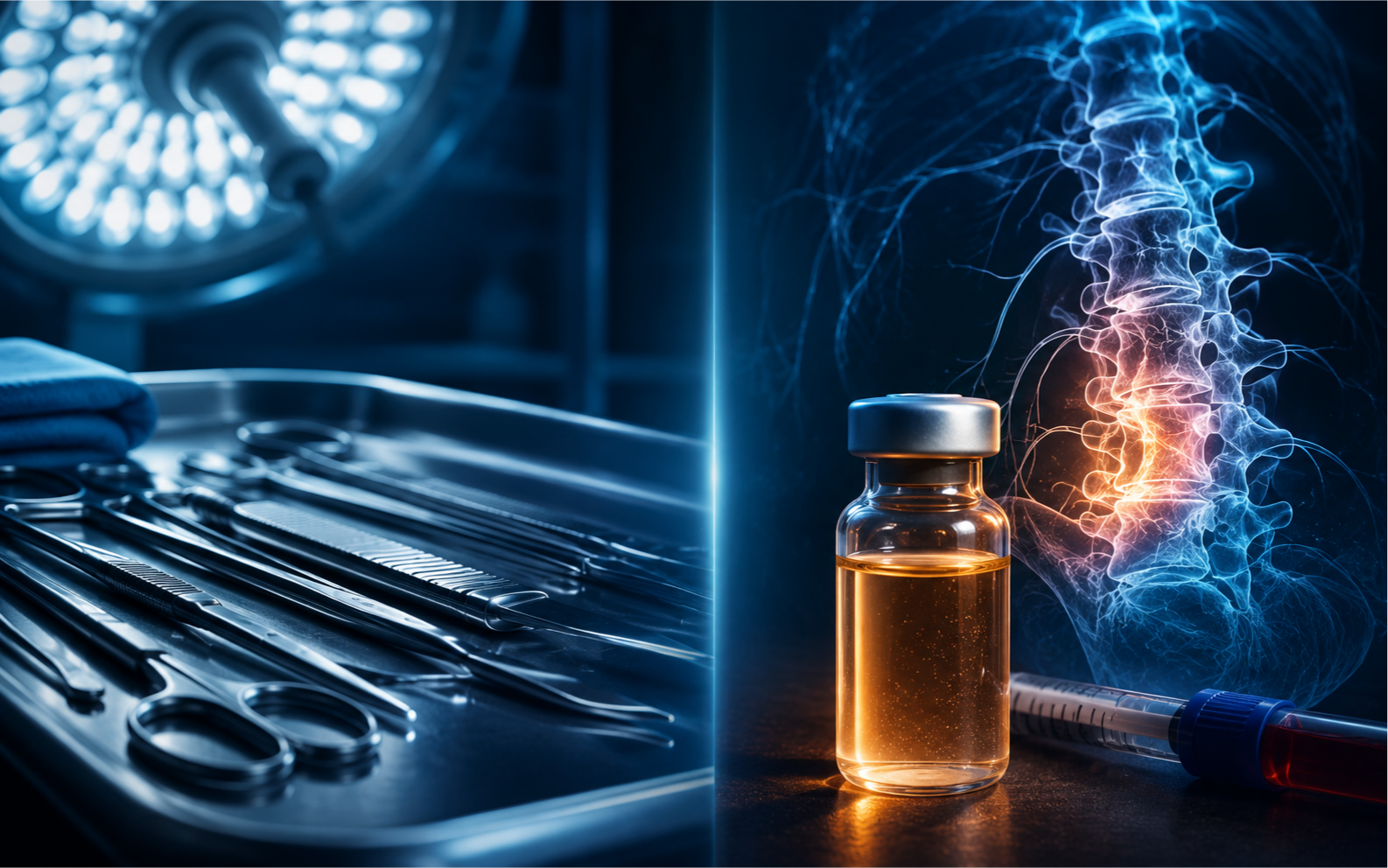
Surgery Alternatives
How orthobiologics — PRP, bone marrow concentrate, and prolotherapy — may help patients avoid spine and back surgery.
Read Article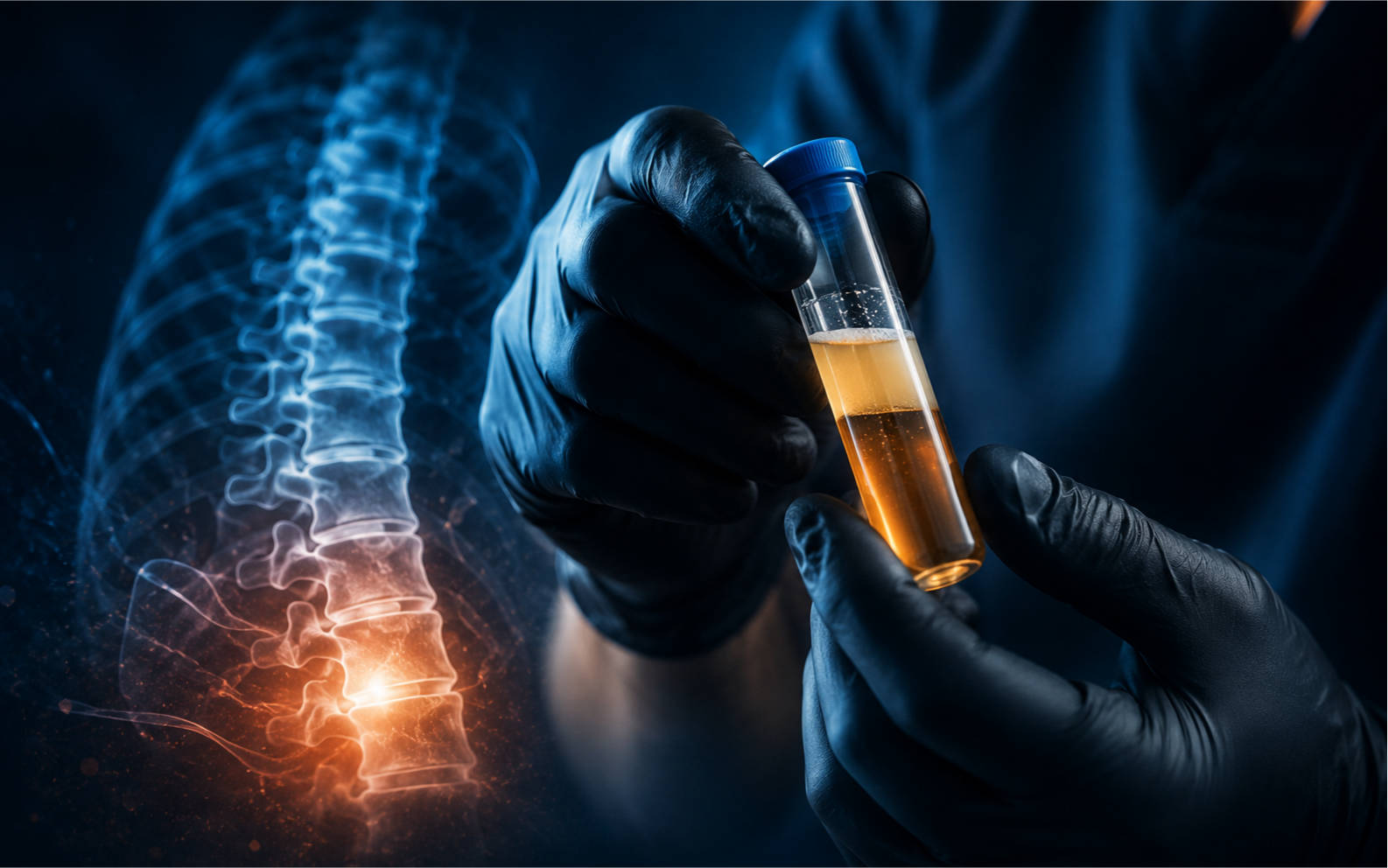
Regenerative Medicine
A general look at how regenerative medicine supports healing and helps you avoid surgery for spine-related discomfort.
Read Article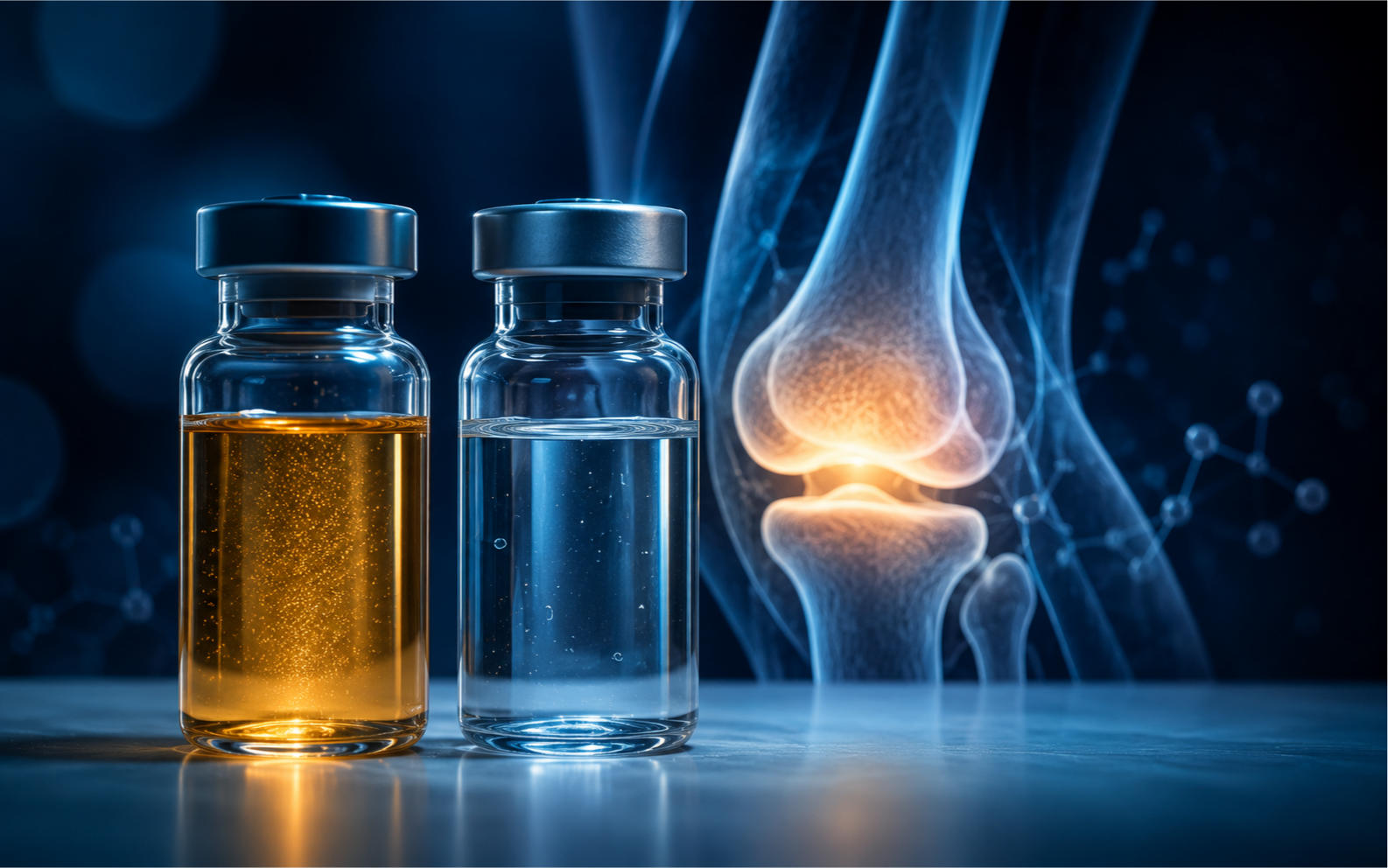
Treatments
Comparing PRP and prolotherapy for joint, low back, and SI-region pain to help you understand your options.
Read Article
PRP Education
What PRP injections involve, realistic expectations, and long-term recovery for lower back and SI joint pain.
Read ArticleA strong fit if physical therapy, chiropractic, or massage brought only temporary relief and your back pain keeps returning.
Ideal for pain, numbness, or tingling that travels from the back into the hips, buttocks, or legs from an irritated or compressed nerve.
A good fit for degenerative discs, facet arthritis, SI joint dysfunction, or spondylolisthesis driving ongoing back pain.
Ideal for patients exploring every non-surgical option before committing to spinal fusion, ablation, or repeated cortisone injections.
Ideal for patients dealing with pain after spine surgery, scar tissue, or hardware issues who want targeted, non-surgical support.
Best way to know: a personalized evaluation determines whether regenerative treatment matches your anatomy, condition, and goals. And if imaging reveals severe structural instability, we coordinate with trusted specialists for further care.
In-person and telemedicine evaluations available. Find out if regenerative treatment is right for your spine or back pain — before committing to surgery.