Open Hours Tues - Fri 8:30 AM to 5:00 PM
Areas We Treat – Elbow

Advanced Treatment for Elbow Pain

Precision care for pain, instability, and conditions affecting the elbow joint, tendons, ligaments, nerves, and surrounding structures. Interventional Orthopedics of Washington provides non-surgical, regenerative medicine treatments focused on lasting relief, improved function, and treating the source of pain.

  • Physician-Led Treatment
  • Image-Guided Precision (Ultrasound & Fluoroscopy)
  • Using Your Own PRP & Natural Biologics
  • No Surgery & No Narcotics Required
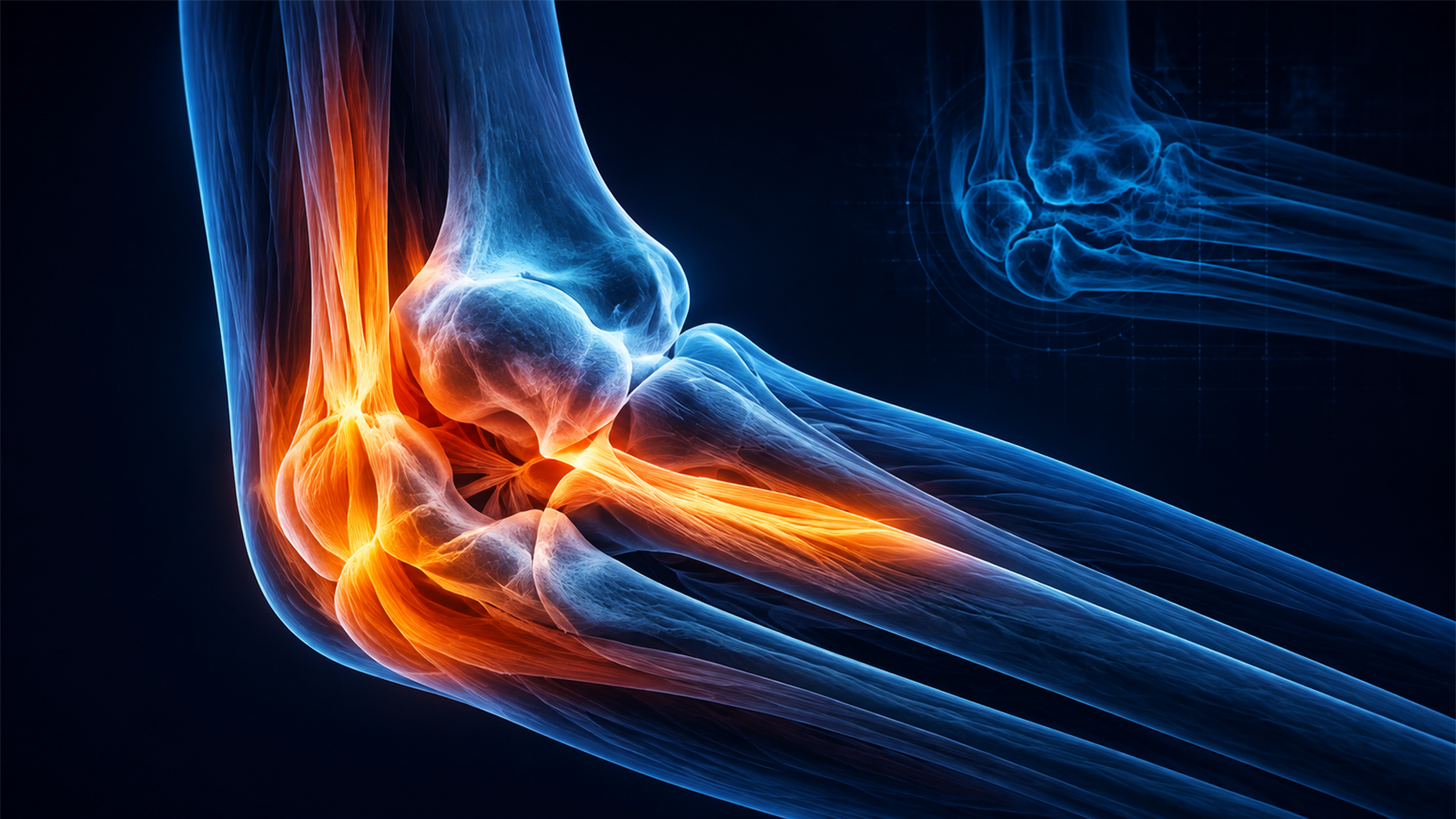
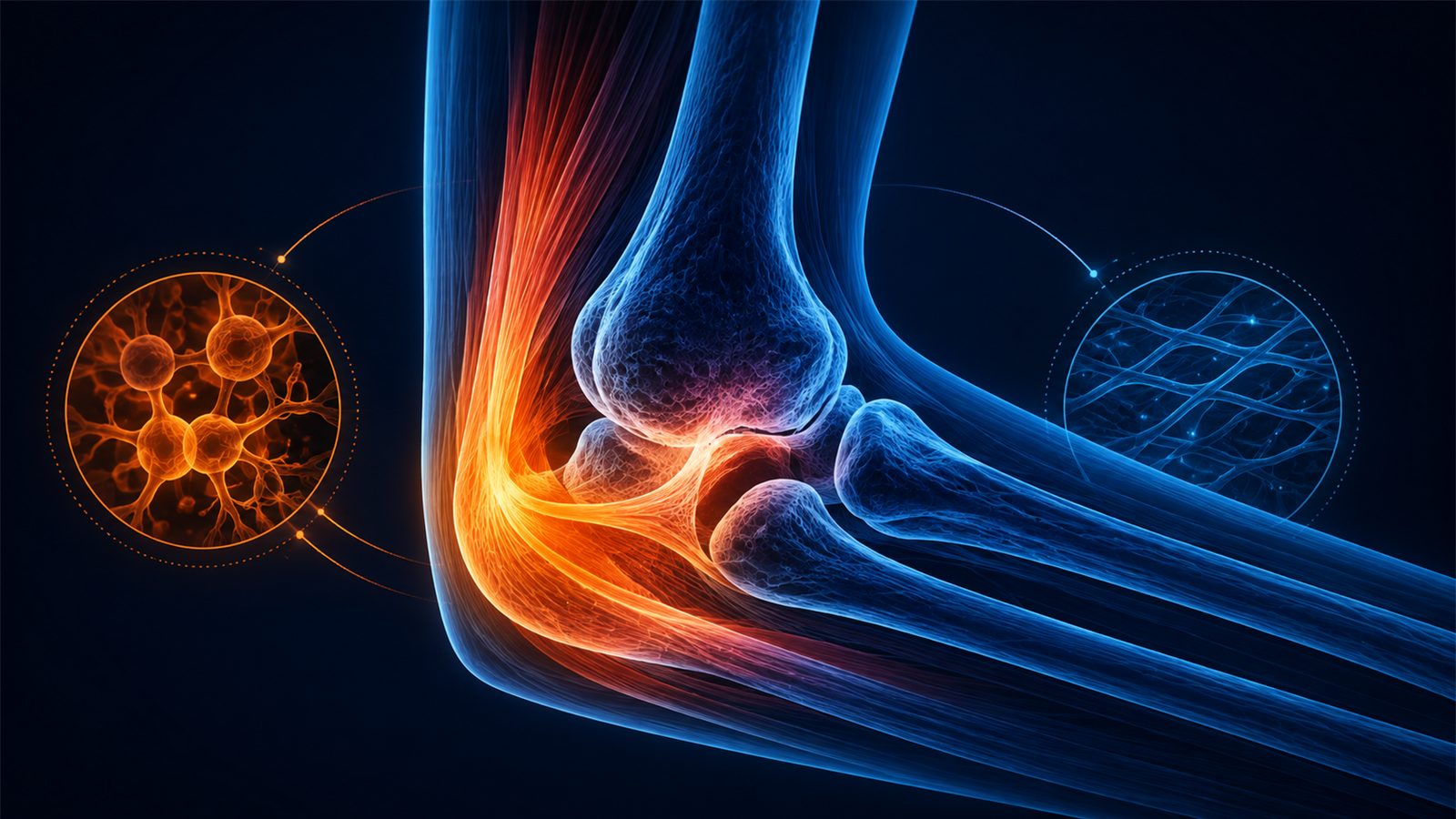
Elbow pain treatment at Interventional Orthopedics of Washington
Understanding the Cause

Why Does Elbow Pain Happen?

The elbow coordinates motion and force between the upper arm, forearm, wrist, and hand. Pain may develop from repetitive gripping or lifting, tendon overload, ligament injury, joint degeneration, cartilage damage, bursitis, or compression of a nearby nerve. Because several elbow structures can create similar symptoms, treatment should begin with an accurate diagnosis rather than a one-size-fits-all approach.

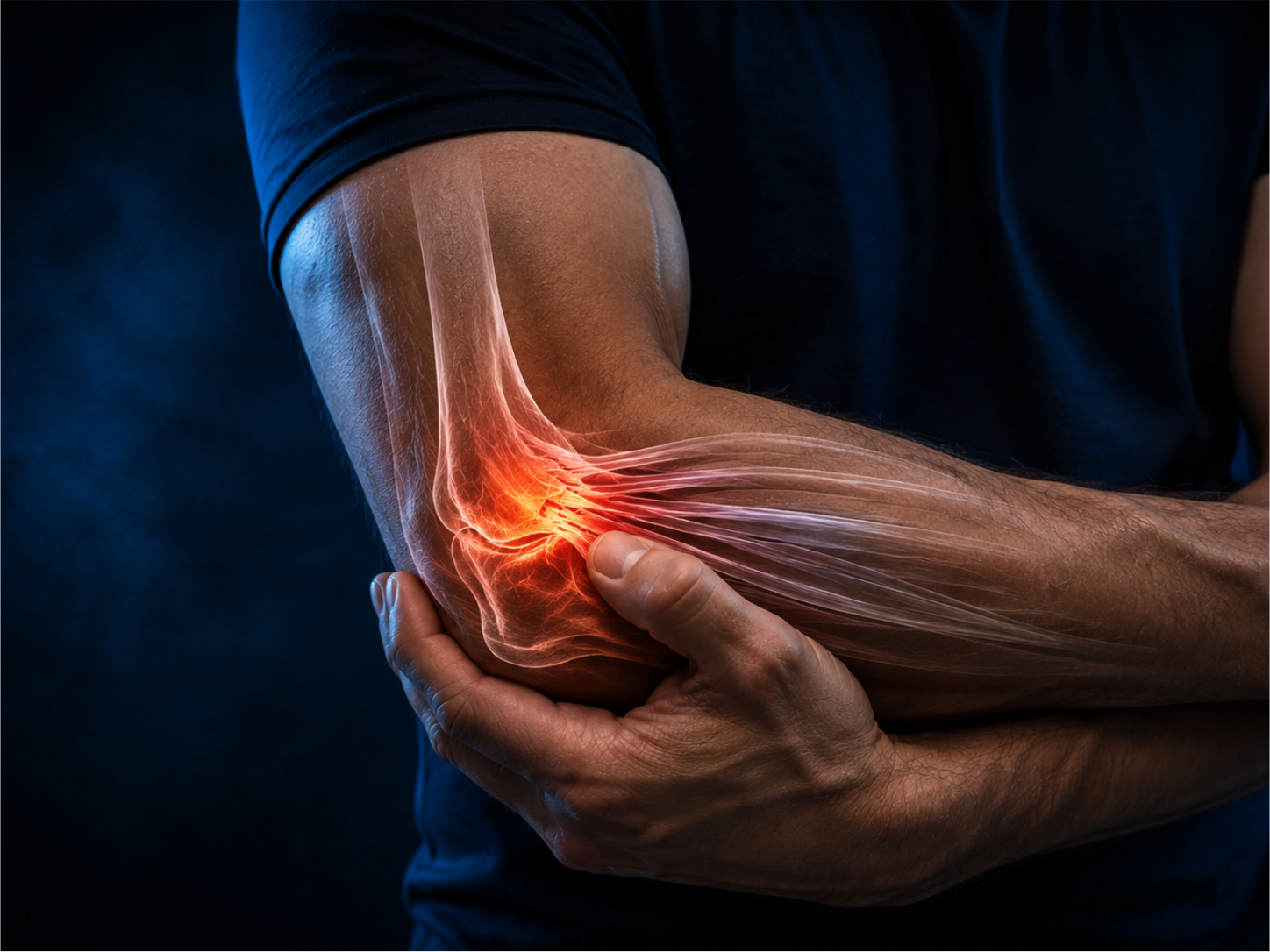
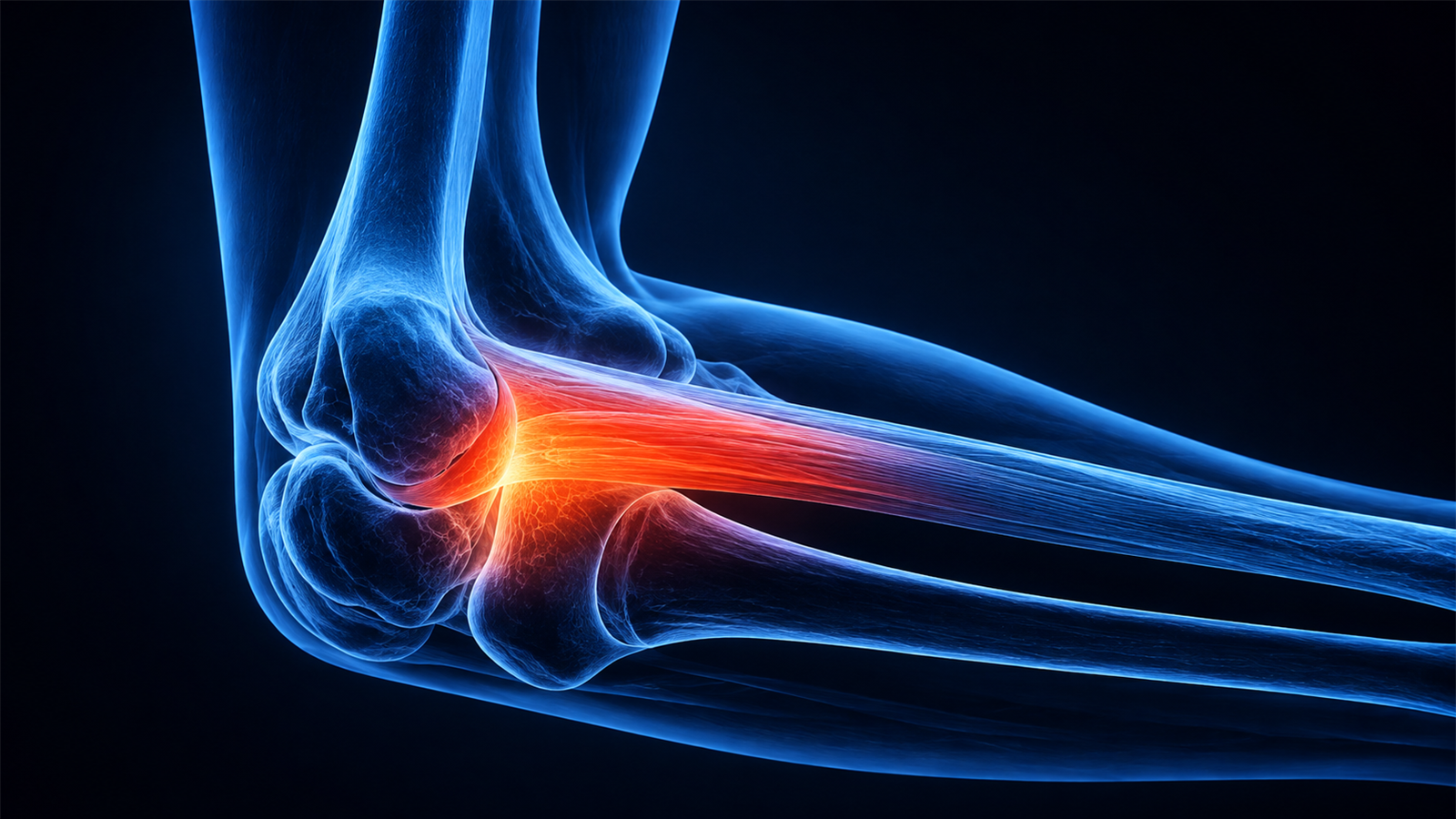
Temporary medical illustration placeholder for elbow tendon pain and epicondylitis
01

Tendon Overuse & Epicondylitis

Repetitive gripping, lifting, throwing, or wrist motion can overload the common extensor or flexor tendon origins. This may contribute to tennis elbow, golfer’s elbow, pain with gripping, and reduced tolerance for work, exercise, or daily tasks.

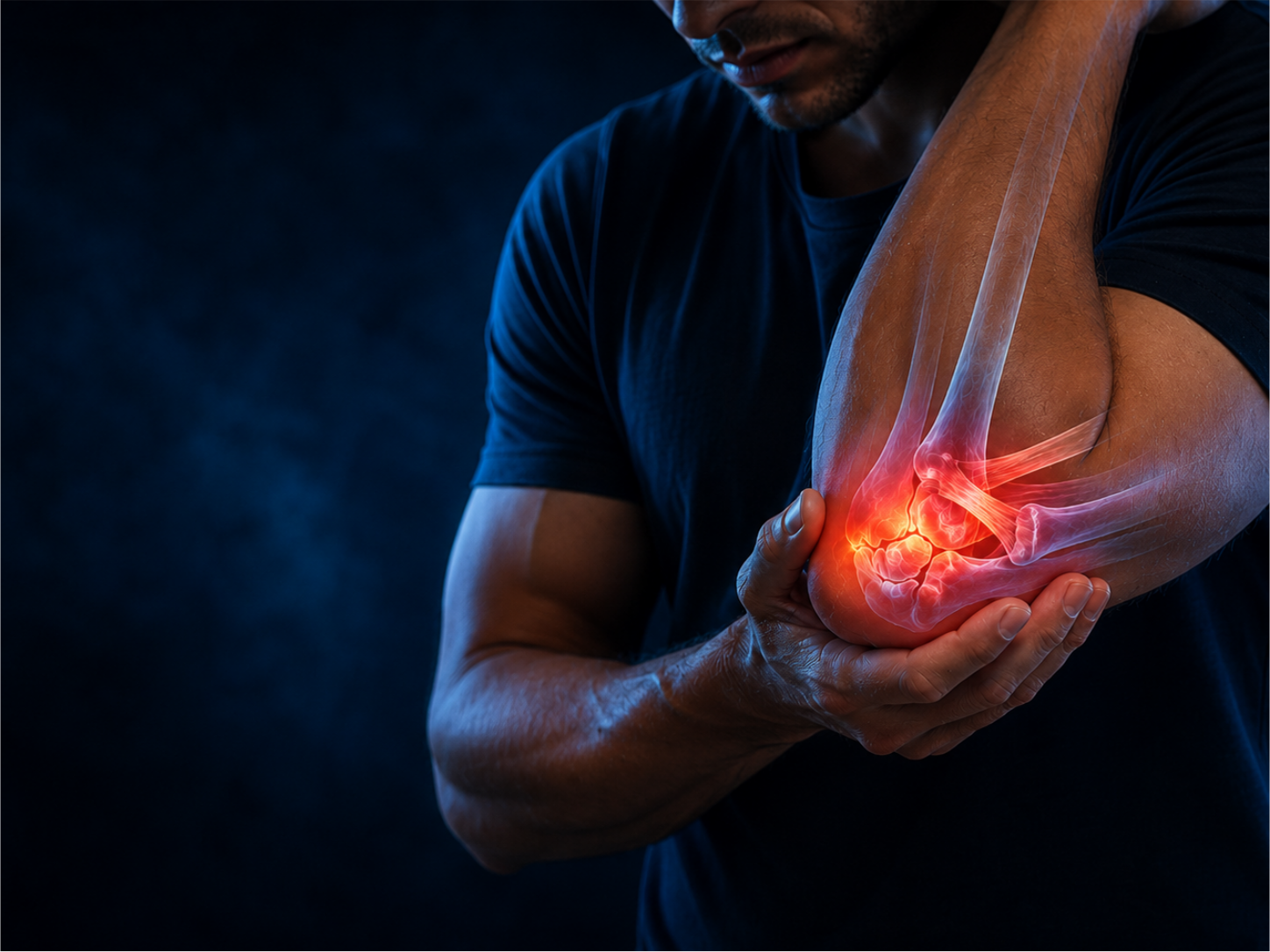
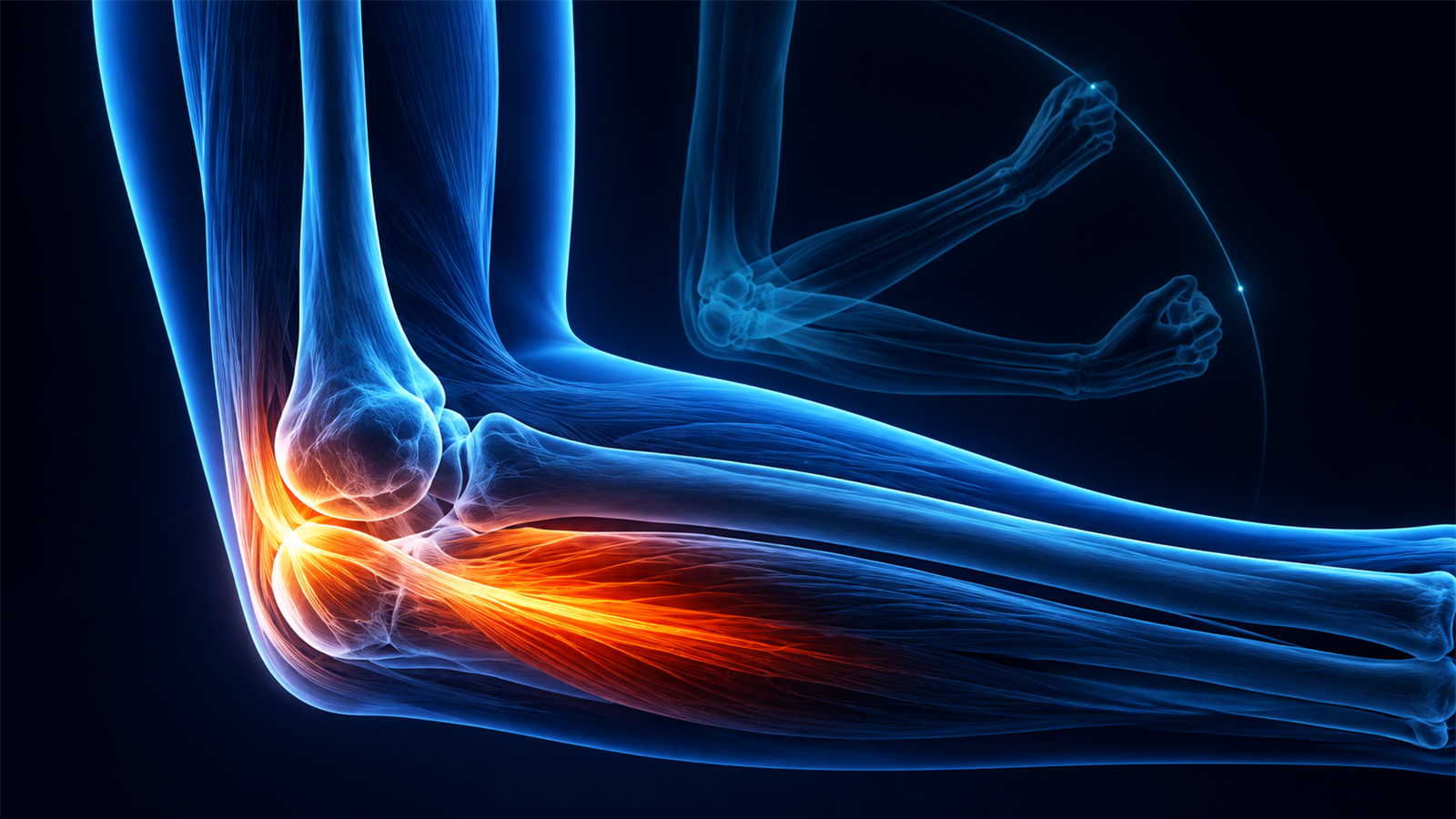
Temporary medical illustration placeholder for elbow ligament injury and instability
02

Ligament Injury & Instability

Throwing, trauma, repetitive valgus stress, or prior injury may affect the ulnar collateral, radial collateral, or annular ligament complex. Symptoms can include pain, clicking, reduced throwing tolerance, or a sense that the elbow is unstable.

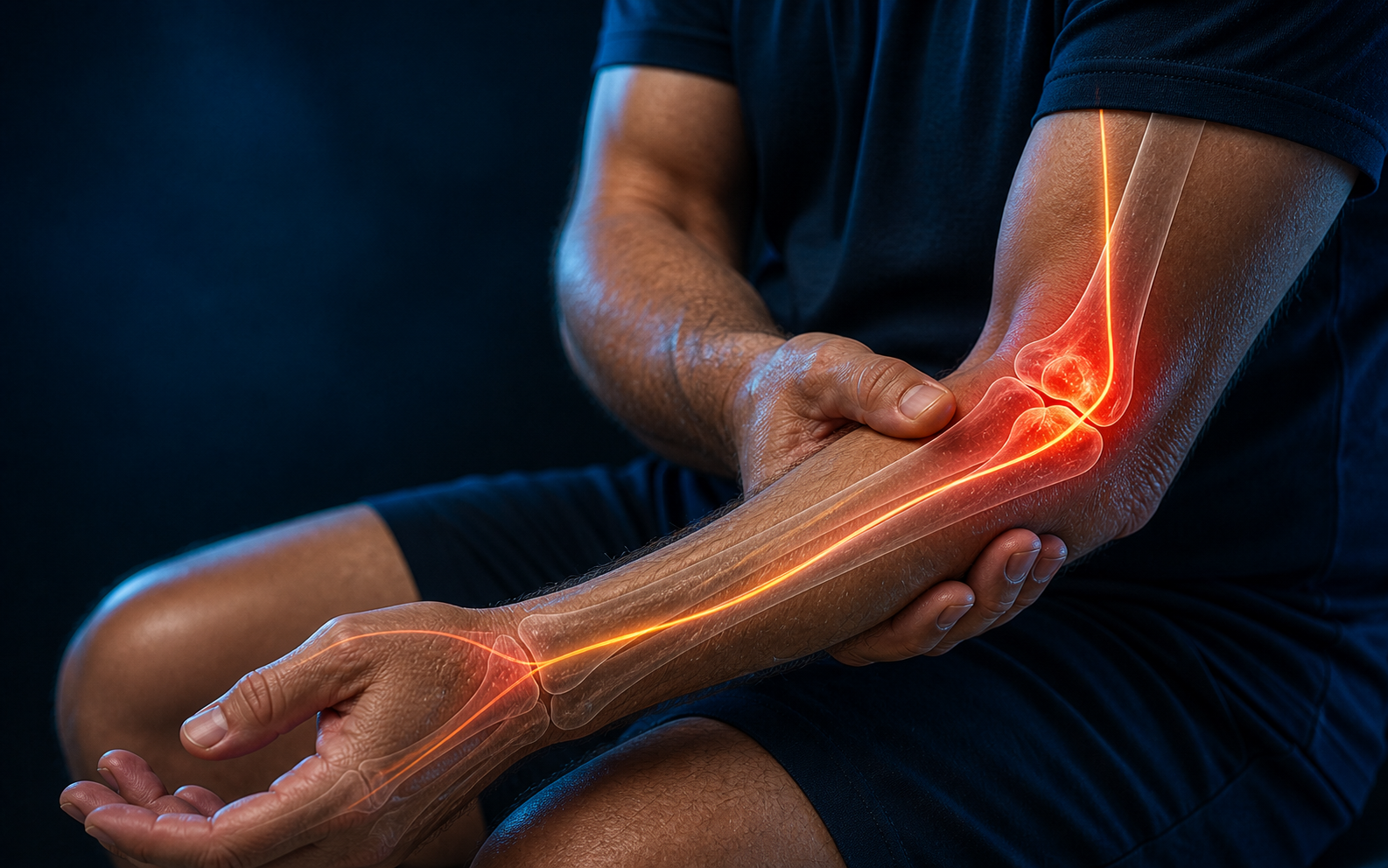
Patient supporting a painful elbow with an ulnar nerve compression overlay
03

Nerve Entrapment & Compression

The ulnar, radial, median, anterior interosseous, or lateral antebrachial cutaneous nerves may become irritated or compressed around the elbow and proximal forearm. Symptoms may include pain, tingling, numbness, weakness, or reduced hand function.

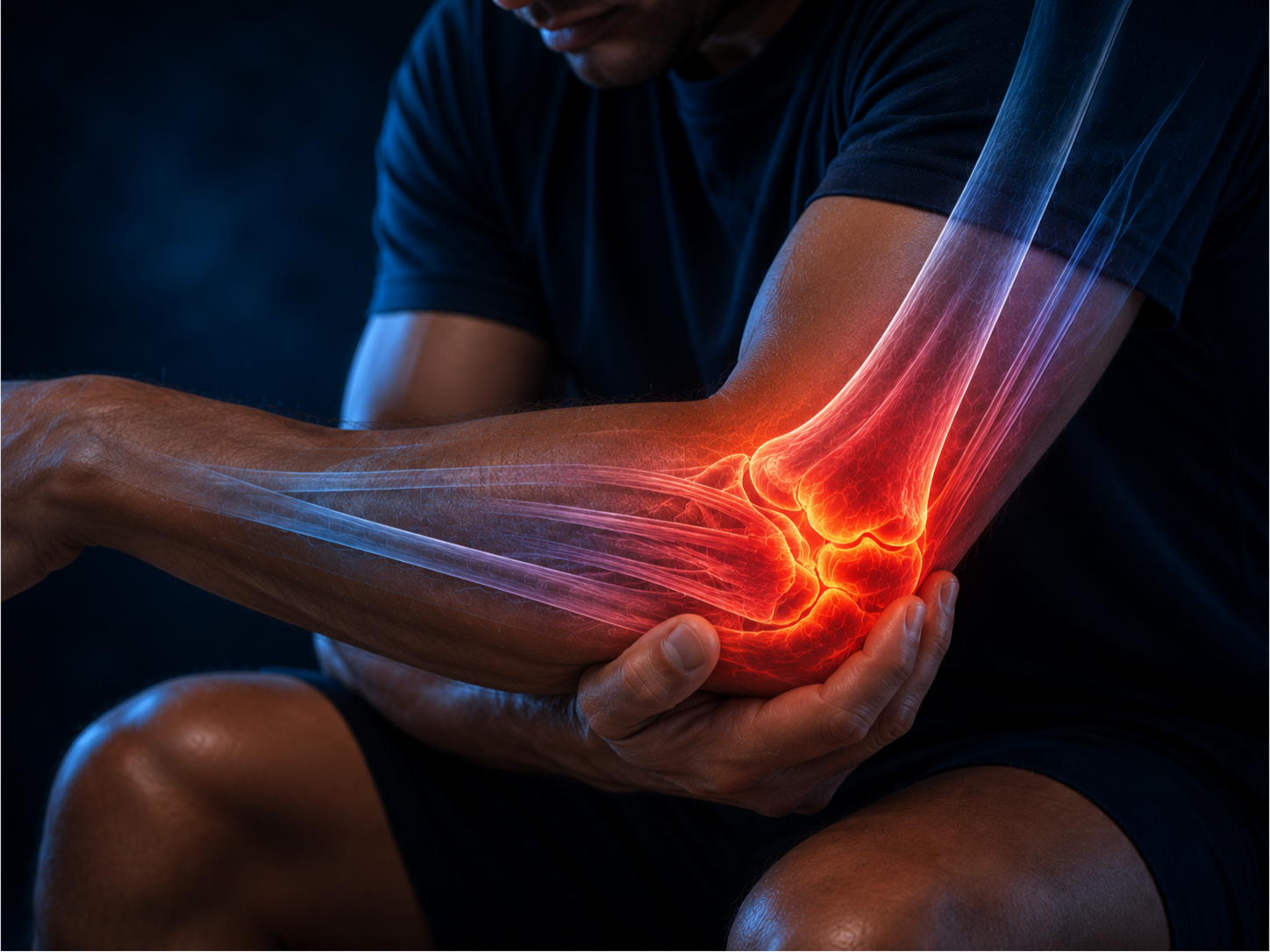
Temporary medical illustration placeholder for elbow arthritis, bursitis, and cartilage injury
04

Arthritis, Bursitis & Cartilage Injury

Osteoarthritis, post-traumatic degeneration, osteochondral injury, synovitis, or olecranon bursitis may cause pain, swelling, stiffness, catching, or loss of motion. Imaging and examination help distinguish joint, cartilage, bone, and bursal sources.

At Interventional Orthopedics of Washington, care begins by identifying the specific joint, ligament, tendon, cartilage surface, bone, bursa, or nerve most likely contributing to the symptoms. Treatment recommendations are then matched to the diagnosis, functional goals, imaging findings, prior care, and overall health of the patient.

Conditions We Treat

Common Elbow Conditions We Evaluate and Treat

We evaluate a broad range of elbow conditions involving tendons, ligaments, nerves, bursae, cartilage, bone, and joint structures. Non-surgical care is recommended only when it is clinically appropriate. Some conditions may require rehabilitation, medication management, activity modification, or surgical referral rather than an injection-based procedure.

Tendon, Joint & Ligament Conditions

Tennis Elbow (Lateral Epicondylitis)
Golfer’s Elbow (Medial Epicondylitis)
Distal Biceps or Triceps Tendinopathy & Tears
Elbow Arthritis & Degeneration
Thrower’s Elbow & Elbow Instability
Osteochondritis Dissecans & Cartilage Injury
Olecranon Bursitis

Nerve Entrapment & Related Conditions

Ulnar Nerve Entrapment / Cubital Tunnel Syndrome
Radial Tunnel Syndrome
Anterior Interosseous & Pronator Syndromes
Supinator or Anconeus-Related Syndromes
Ulnar Neuropathy
Lateral Antebrachial Cutaneous Nerve Entrapment

A diagnosis is not based on symptoms alone. Similar elbow pain patterns can come from different structures, and not every listed condition is suitable for the same treatment. Recommendations are made only after reviewing the history, examination, biomechanics, imaging, prior care, and treatment goals.

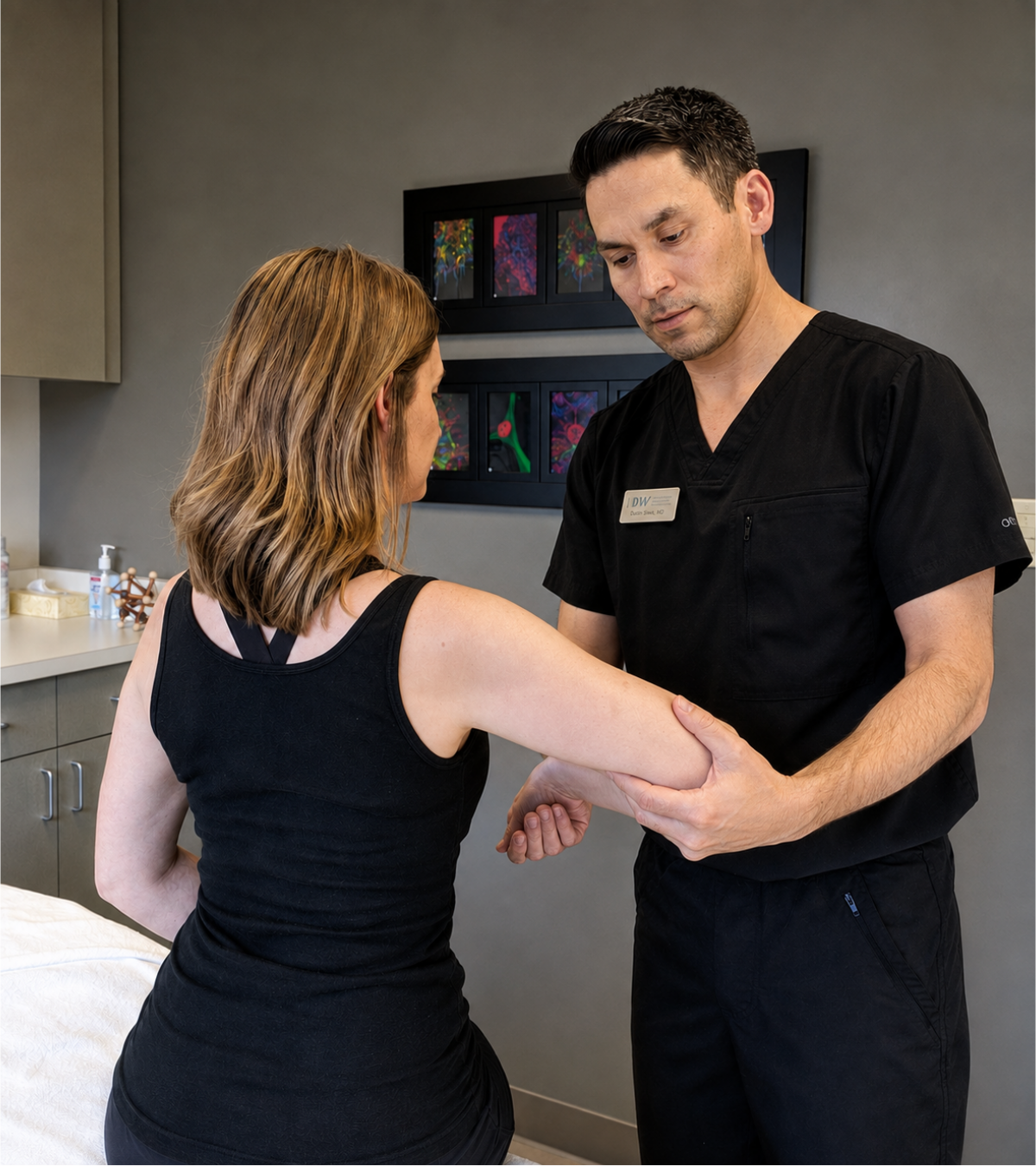
Specialized Care

Elbow Areas We Evaluate and Treat

Precise elbow care requires a detailed understanding of the joint spaces and the surrounding ligaments, tendon attachments, bursae, cartilage surfaces, bones, peripheral nerves, and common nerve-entrapment zones.

Joint, Ligament & Tendon Structures

  • Humeroulnar and radiocapitellar joint spaces
  • Ulnar collateral ligament, including the anterior bundle
  • Radial collateral, lateral ulnar collateral, and annular ligaments
  • Common extensor tendon origin at the lateral epicondyle
  • Common flexor-pronator tendon origin at the medial epicondyle
  • Distal biceps and distal triceps tendon attachments
  • Olecranon bursa, synovium, joint capsule, and surrounding soft tissues
  • Distal humerus, radial head, ulna, and related cartilage surfaces

Nerves & Entrapment Zones

  • Ulnar nerve through the cubital tunnel
  • Radial nerve and posterior interosseous nerve
  • Median nerve through the pronator region
  • Anterior interosseous nerve
  • Lateral antebrachial cutaneous nerve
  • Radial tunnel and supinator region
  • Perineural scar tissue and selected post-surgical nerve concerns
  • Adjacent forearm structures that may refer pain to the elbow

Musculoskeletal ultrasound is useful for real-time assessment of many superficial tendons, ligaments, nerves, bursae, joint recesses, and soft tissues. X-rays, MRI, CT, electrodiagnostic testing, or fluoroscopy may also be used when appropriate to assess bone, cartilage, deeper structures, nerve function, or a planned procedure.

Diagnosis

Advanced Diagnostic Evaluation

Elbow pain may be multifactorial and can involve biomechanics, tendon overload, ligament injury, nerve compression, repetitive strain, arthritis, bursitis, or cartilage damage. Treatment begins by identifying the structure or combination of structures most likely responsible for the symptoms.

  • Detailed physical examination of tenderness, swelling, range of motion, strength, stability, sensation, grip, and functional movement
  • Movement and biomechanical analysis when shoulder, forearm, wrist, gripping, throwing, or work mechanics may be contributing
  • Review of previous diagnostic imaging, including X-rays, MRI, CT, or ultrasound
  • In-office diagnostic musculoskeletal ultrasound when it can clarify a tendon, ligament, nerve, bursa, joint, or soft-tissue concern
  • Targeted nerve and joint testing, with electrodiagnostic evaluation recommended when clinically appropriate
  • Image-guided diagnostic injections or nerve blocks in selected cases when localizing the pain generator would meaningfully change treatment planning

No single test answers every question. The final diagnosis is based on how the history, examination, biomechanics, imaging, and, when needed, nerve testing fit together.

Treatment Options

Non-Surgical and Regenerative Treatment Options

The treatment plan depends on the diagnosis, severity, tissue involved, previous care, activity goals, overall health, and strength of the available evidence. Elbow care may include one or more of the following:

  • Rehabilitation and load management: activity modification, progressive strengthening, mobility work, ergonomic changes, bracing, and gradual return to gripping, lifting, throwing, or sport
  • Image-guided prolotherapy: hypertonic dextrose injections that may be considered for selected ligament, tendon, or joint-related conditions after discussion of the limited and condition-specific evidence
  • Platelet-rich plasma (PRP): an autologous platelet concentrate that may be considered for selected elbow tendon, ligament, or joint conditions; expected benefit varies by diagnosis
  • Autologous bone marrow concentrate (BMC): a same-day bone marrow-derived concentrate that may be discussed in carefully selected cases where the potential benefits, uncertainties, alternatives, and costs are fully reviewed
  • Bursa aspiration or injection: ultrasound-guided treatment when a symptomatic olecranon bursa or fluid collection is confirmed and the procedure is appropriate
  • Nerve blocks or hydrodissection: selected image-guided procedures for specific ulnar, radial, median, or other peripheral nerve entrapment patterns
  • Procedural comfort measures: local anaesthetic or selected nerve blocks may be used when appropriate for comfort and accurate treatment delivery
Important: These procedures do not guarantee tissue repair, pain relief, restored nerve function, return to sport, or avoidance of surgery. Evidence and regulatory status vary by procedure and diagnosis. A consultation is required to determine whether any option is reasonable for a specific patient.
Surgical Guidance

When Is Surgery Needed?

Many elbow conditions are treated non-surgically first, but surgery may be the safer or more effective option for certain fractures or dislocations, complete or retracted tendon ruptures, advanced joint degeneration, infection, neurovascular compromise, unstable osteochondral injury, or persistent mechanical instability that has not improved with appropriate rehabilitation and other nonoperative care.

  • Full-thickness or retracted distal biceps or triceps tendon tears
  • Unstable fracture, dislocation, infection, or neurovascular concern
  • Advanced arthritis or cartilage damage with major functional limitation
  • Persistent instability, nerve compression, or mechanical symptoms despite appropriate non-surgical care
  • A structural condition for which an injection would not address the underlying problem

When surgical evaluation is appropriate, we can help explain the findings and coordinate referral to a qualified elbow or upper-extremity surgeon.

Why Choose IOW

Why Choose IOW for Elbow Treatment?

Patients choose IOW for physician-led, diagnosis-first elbow care designed around the specific structure involved, the patient’s goals, and the most appropriate path back to function.

  • Regenerative medicine expertise: care includes orthobiologic and image-guided injection options when clinically appropriate
  • Whole-body biomechanical approach: evaluation considers how elbow dysfunction may relate to the shoulder, forearm, wrist, hand, or peripheral nerves
  • Precision diagnostics: recommendations are based on the history, physical analysis, imaging, ultrasound, and targeted nerve or joint testing as needed
  • Non-surgical solutions first: the goal is to address the diagnosis and restore function rather than simply suppress symptoms or rush to surgery
  • In-office treatment: many procedures can be performed without a hospital stay or general anaesthesia; recovery and activity restrictions vary by procedure

Whether symptoms developed from overuse, nerve compression, instability, arthritis, or a previous elbow injury, the goal is to identify the most likely pain generator and recommend the least invasive reasonable option for that diagnosis.

Functional Comparison

Healthy Elbow Function vs Painful or Unstable Function

Healthy Function

Stable, Well-Supported Elbow

  • Ligaments support the elbow during bending, straightening, lifting, gripping, and changes in direction
  • Muscles and tendons coordinate elbow motion, forearm rotation, gripping, and force transfer through the arm
  • Joint surfaces, cartilage, and the surrounding bursa help provide smooth motion and distribute load
  • Comfortable motion, stability, and load tolerance support confident use of the arm and hand
Painful or Unstable

Irritated, Injured, or Poorly Supported Elbow

  • Injured or insufficiently rehabilitated ligaments may contribute to pain, clicking, instability, or reduced confidence under load
  • Overloaded or injured tendons may cause pain, tenderness, weakness, or reduced gripping and lifting tolerance
  • Joint degeneration, cartilage injury, bursitis, or other structural problems may cause pain, swelling, stiffness, or reduced motion
  • Ulnar, radial, or other nerve irritation around the elbow may cause numbness, tingling, weakness, or altered hand function
Treatment Protocol

Our 2-Step Approach to Elbow Care

A physician-led process that combines a detailed diagnostic evaluation with an individualized treatment plan based on the condition, anatomy, imaging, activity goals, and overall health of the patient.

1 · In-Office

Advanced Diagnostic Evaluation

Identifies the structure or combination of structures most likely contributing to your symptoms

  • Review your medical history, injury history, previous treatment, and activity goals
  • Perform a detailed elbow examination of tenderness, swelling, range of motion, strength, stability, and nerve function
  • Assess shoulder, elbow, forearm, wrist, and hand mechanics and how the arm responds to functional movement
  • Review available X-rays, MRI, CT, ultrasound, or other prior imaging
  • Use diagnostic musculoskeletal ultrasound or recommend additional imaging when clinically appropriate
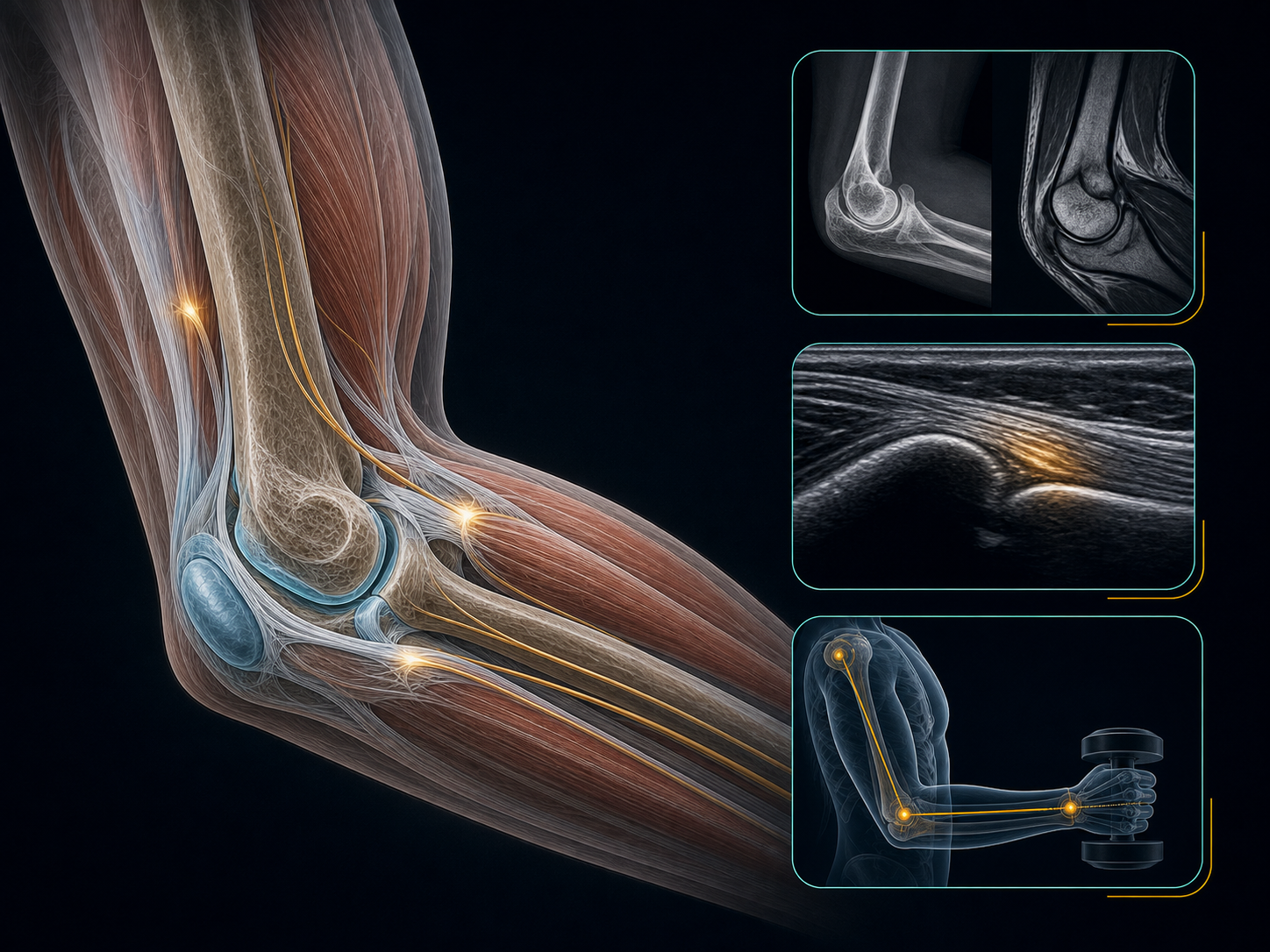
Elbow evaluation illustration with radiographic, ultrasound, and upper-limb mechanics views
2 · Individualized Plan

Targeted Non-Surgical Treatment

Matches treatment to the diagnosis rather than simply treating the location of pain

  • Rehabilitation and Load Management - may include activity modification, progressive forearm and upper-extremity strengthening, mobility work, bracing, ergonomic changes, and gradual return to activity
  • Platelet-Rich Plasma (PRP) - may be considered for selected tendon, ligament, or joint conditions after reviewing the diagnosis, evidence, alternatives, and expected recovery
  • Image-Guided Prolotherapy - may be discussed for carefully selected ligament, tendon, or joint-related problems where the potential benefits and limitations are understood
  • Nerve Blocks or Hydrodissection - selected image-guided procedures for specific ulnar, radial, or other peripheral nerve entrapment patterns
  • Joint, Bursa, Tendon, or Nerve-Targeted Procedures - considered only when examination and imaging support a specific target and the procedure is clinically appropriate
  • Specialist Referral - recommended when a complete tendon rupture, fracture, severe instability, advanced joint damage, infection, or another condition requires surgical or specialty care
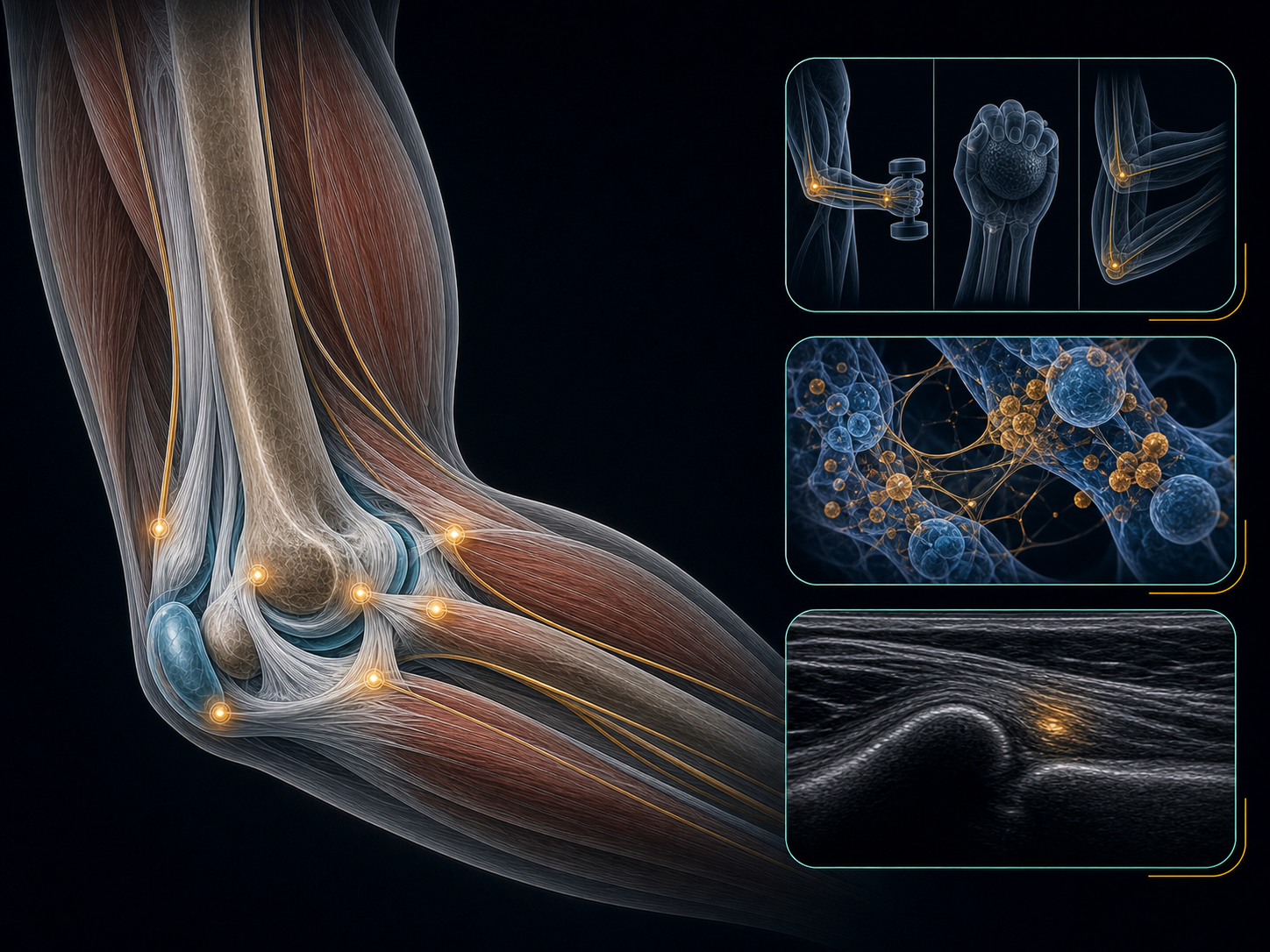
Individualized non-surgical elbow treatment concept with anatomical targets and diagnostic views

Precise diagnosis. Individualized treatment.

Not every elbow condition requires an injection. When a procedure is recommended, ultrasound or fluoroscopy is selected according to the treatment target and clinical need. Benefits, risks, alternatives, recovery expectations, and limitations are reviewed before treatment, and outcomes vary by condition and patient.

Who May Benefit

Who Should Consider an Elbow Evaluation?

Persistent Pain Despite Appropriate Conservative Care

An evaluation may be helpful when elbow pain continues despite a reasonable trial of rehabilitation, activity modification, bracing, ergonomic changes, medication, or other appropriate first-line care.

Persistent Weakness, Instability, or Post-Injury Symptoms

This includes people with ongoing swelling, stiffness, loss of motion, weakness, clicking, instability, or pain that has not fully resolved after an elbow injury or repetitive loading.

Suspected Joint, Tendon, Ligament, Bursa, or Nerve Pain

A detailed assessment may help when symptoms suggest elbow arthritis, common flexor or extensor tendinopathy, distal biceps or triceps injury, ligament damage, olecranon bursitis, cartilage or bone injury, or peripheral nerve irritation.

Exploring Non-Surgical Options Before Elective Surgery

Patients considering surgery may benefit from reviewing the diagnosis, imaging, rehabilitation options, and reasonable non-surgical treatments before deciding on the next step. Some conditions still require prompt surgical care.

Ready to Participate in Rehabilitation and Follow-Up

The best candidates understand that recovery often requires progressive strengthening, mobility work, load management, technique or ergonomic changes, and follow-up care. A procedure, when appropriate, is usually one part of a broader treatment plan.

The evaluation determines candidacy: not every elbow condition is appropriate for an injection or regenerative procedure. Unstable fractures or dislocations, complete tendon ruptures, infection, progressive neurologic weakness, neurovascular compromise, advanced joint destruction, and other urgent or clearly surgical problems may require different care or specialist referral.

Take the First Step

Could Non-Surgical Care Be Appropriate for Your Elbow Pain?

Schedule an evaluation to review your symptoms, examination findings, movement mechanics, previous treatment, and imaging. In-person care is recommended when a hands-on elbow examination, strength and stability testing, or diagnostic ultrasound is needed. Telemedicine may be available for an initial records and imaging review.

Know Your Options

Understanding Non-Surgical Care and When Surgery May Be Needed

Many elbow conditions are treated non-surgically first, while certain fractures, dislocations, tendon ruptures, nerve problems, infections, and advanced structural conditions may require surgical care. The right sequence depends on the diagnosis, severity, function, imaging findings, neurologic status, and response to appropriate prior treatment.

Elbow Surgical Considerations

  • Surgery may be appropriate for unstable fractures or dislocations, complete distal biceps or triceps tendon ruptures, infection, advanced arthritis, persistent mechanical instability, or progressive nerve weakness.12
  • Recovery varies by procedure and may involve splinting, temporary lifting or motion restrictions, wound care, and progressive rehabilitation over weeks or months.2
  • Cubital tunnel surgery may be considered when symptoms persist despite appropriate non-surgical care or when ulnar nerve compression causes weakness or muscle damage. Long-standing severe compression may not fully recover.3
  • Total elbow replacement may relieve pain and improve daily function in severe joint damage, but implants can wear, loosen, break, or require revision, and long-term lifting restrictions are commonly advised.2
  • Potential risks vary by operation and can include infection, wound-healing problems, nerve or blood-vessel injury, stiffness, weakness, hardware or implant problems, lack of improvement, or continued pain.

The IOW Diagnosis-First Approach

  • Care begins with a detailed history, physical examination, upper-limb mechanics assessment, neurologic screening, and review of appropriate imaging to identify the most likely pain generator.
  • Initial care may include rehabilitation, progressive tendon or ligament loading, activity modification, ergonomic changes, counterforce bracing, splinting, and movement retraining.
  • Selected image-guided procedures may be considered when the diagnosis supports a specific elbow joint, tendon, ligament, bursa, bone, or peripheral nerve target.
  • PRP, prolotherapy, bone marrow concentrate, and other orthobiologic procedures are not interchangeable. Evidence, risks, recovery, regulatory status, and expected benefit vary by treatment and diagnosis.3
  • If surgery, fracture care, infection management, or another specialist is more appropriate, we explain why and coordinate referral rather than delaying necessary care.
Sources: 1. American Academy of Orthopaedic Surgeons. Elbow Dislocation. OrthoInfo  |  2. American Academy of Orthopaedic Surgeons. Total Elbow Replacement. OrthoInfo  |  3. American Academy of Orthopaedic Surgeons. Cubital Tunnel Release. OrthoInfo  |  4. U.S. Food and Drug Administration. Consumer Alert on Regenerative Medicine Products Including Stem Cells and Exosomes. FDA  |  5. American College of Radiology. Chronic Elbow Pain. ACR Appropriateness Criteria. This information is educational and is not a substitute for an individual medical evaluation.
The IOW Care Experience

Clear Answers, Individualized Care

Your visit begins with a diagnosis-focused evaluation rather than assuming that every elbow problem should receive the same treatment.

Understand the Pain Generator

History · Examination · Imaging · Upper-Limb Mechanics

Recommendations are explained in plain language, including expected benefits, limitations, alternatives, risks, recovery considerations, and when a procedure is not appropriate.

Make an Informed Decision

Transparent · Evidence-Informed · Patient-Centered

Treatment planning considers rehabilitation, elbow stability and mobility, tendon or nerve loading, work or sport demands, activity goals, and follow-up instead of relying on a procedure alone.

Build a Complete Recovery Plan

Rehabilitation · Progression · Follow-Up

These cards describe the care process and are not patient testimonials or promises of treatment outcome. Verified elbow reviews can be added here later without changing the section layout.

From the IOW Blog

Keep Learning About Elbow Care

Explore IOW articles on PRP, rehabilitation, prolotherapy, orthobiologics, and non-surgical treatment planning relevant to elbow tendinopathy, ligament injury, instability, and joint conditions.

Patient Questions

Elbow Regenerative
Medicine FAQs

Clear answers about elbow pain, how we identify the true source, and the regenerative treatment options available at IOW.

Elbow pain often results from overuse, tendon strain, nerve compression, or inflammation around joints and ligaments. It can stem from repetitive movements, trauma, or even poor posture that disrupts your body’s natural alignment.

We combine a detailed physical exam, musculoskeletal ultrasound, and image-guided diagnostic injections to pinpoint your pain source. This allows for accurate targeting. No guessing, just personalized care.

Conditions like tennis elbow, golfer’s elbow, nerve entrapment, and postural overload are frequent culprits. Elbow pain may also involve deeper issues such as joint degeneration, bursitis, or tendon tears.

Absolutely. Most elbow injuries respond well to regenerative treatments like PRP, prolotherapy, and cellular therapy, which promote healing and reduce inflammation without downtime or surgical risk.

We offer image-guided prolotherapy to stabilize joints, PRP to regenerate soft tissues, and bone marrow concentrate (BMC) to repair deeper tendon or joint damage. We also treat nerve entrapments with hydrodissection for long-term relief.

We use ultrasound-guided nerve hydrodissection to gently release compressed nerves and restore mobility. This is especially effective for conditions like cubital tunnel syndrome or radial tunnel pain.

While timelines vary by condition and severity, many patients start seeing improvement within a few weeks. Regenerative treatments are designed for lasting repair, not temporary relief.

Can’t find your condition on the list?

You might be a candidate. Schedule your free discovery call and let’s explore your options.

Schedule a Discovery Call

Medically reviewed by Dr. Otoño Silva, M.D.

Board Certified in Physical Medicine & Rehabilitation · Fellowship-Trained in Interventional Orthopedics, Centeno-Schultz Clinic

Last reviewed