Open Hours Tues - Fri 8:30 AM to 5:00 PM
Areas We Treat – Hip & Sacroiliac Joint

Advanced Treatment for Hip & Sacroiliac Joint Pain

Precision care for pain, instability, and dysfunction affecting the hip, pelvis, and sacroiliac joint.

  • Physician-Led Treatment
  • Image-Guided Precision (Ultrasound & Fluoroscopy)
  • Using Your Own PRP & Natural Biologics
  • No Surgery & No Narcotics Required
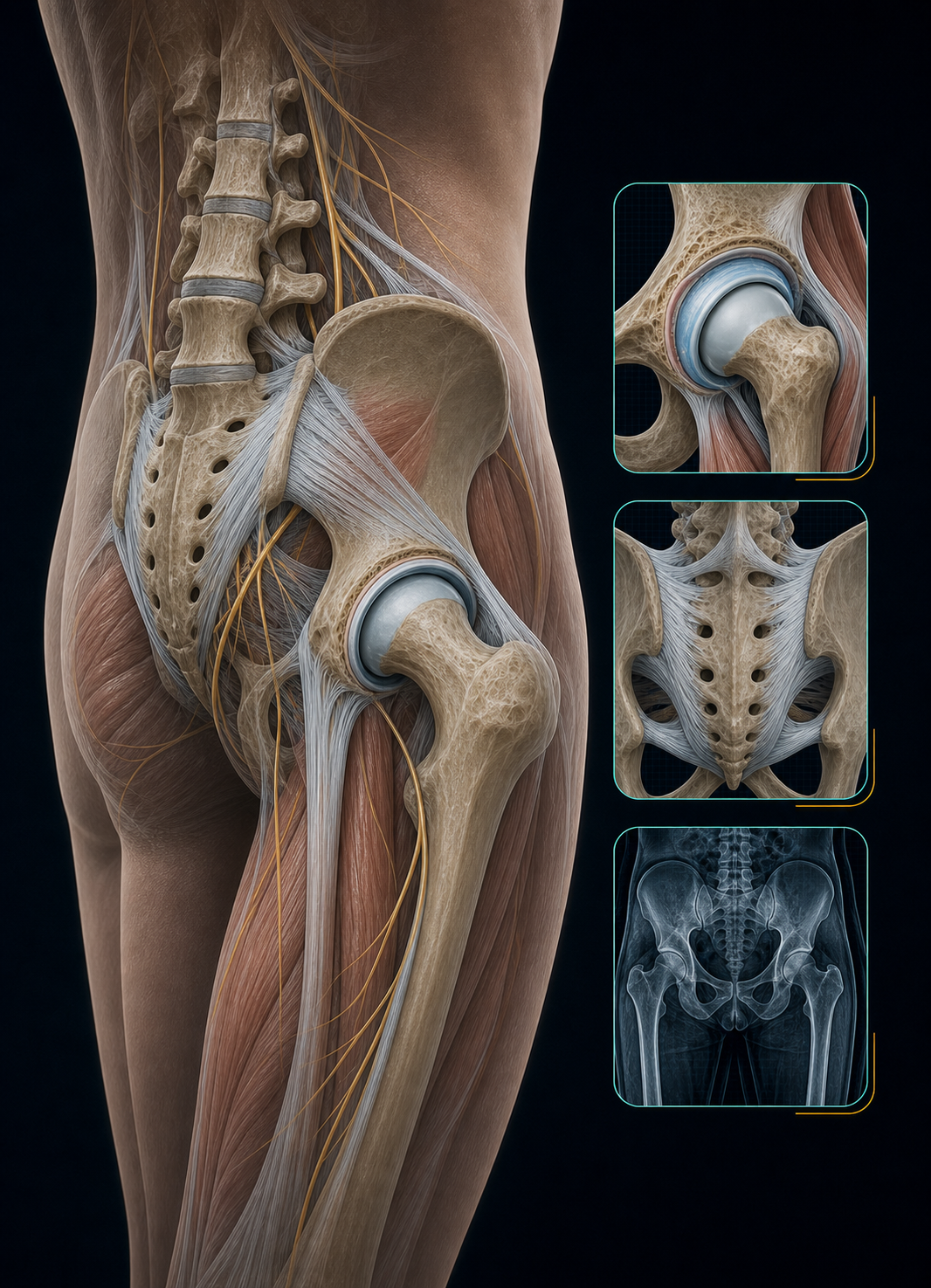
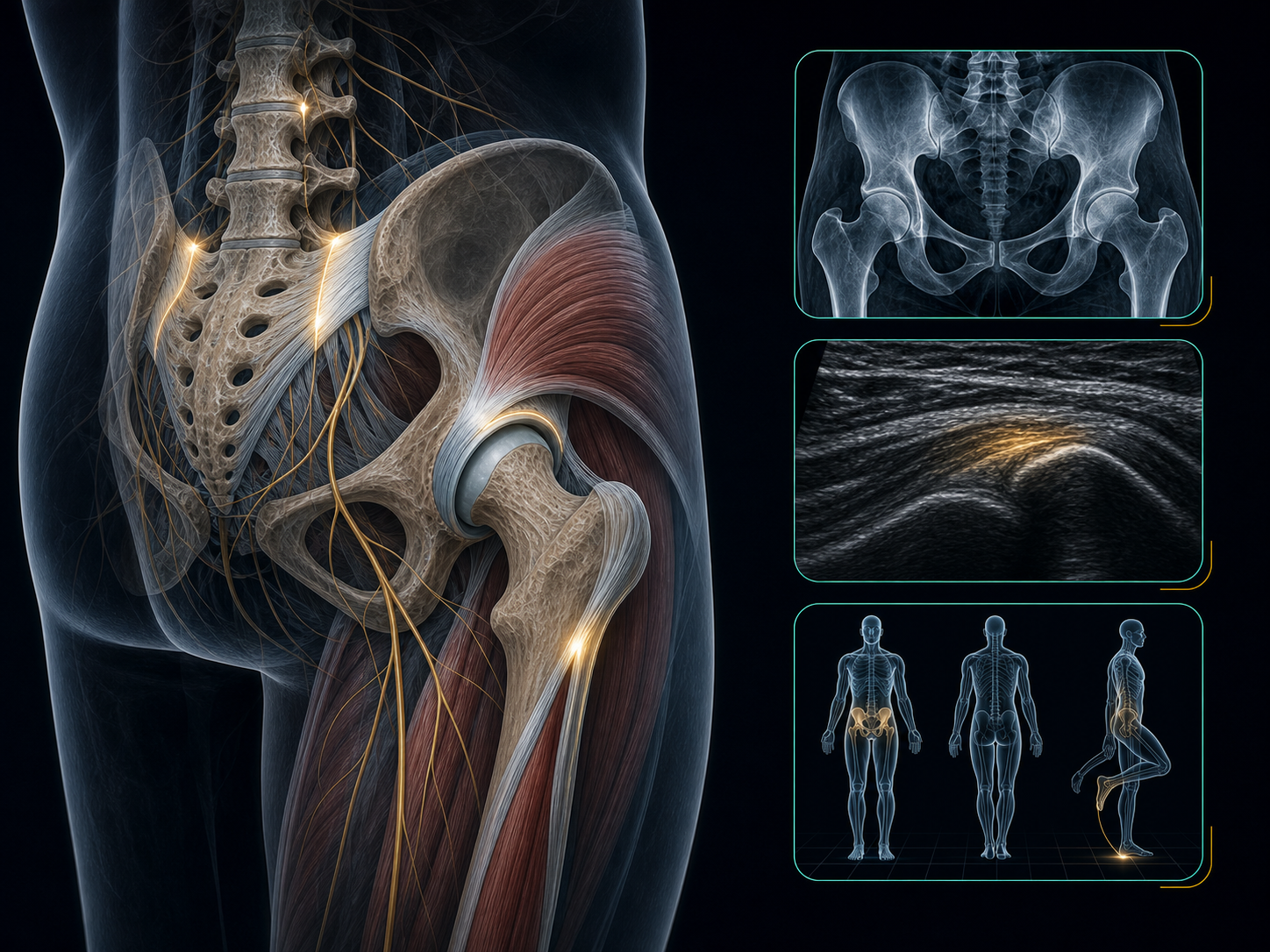
Educational illustration of hip and sacroiliac joint anatomy with ligament, tendon, nerve, and diagnostic detail views
Overview

Understanding Hip and Sacroiliac Joint Pain

Hip and sacroiliac joint pain can significantly limit mobility and impact your daily life. Whether you’re struggling to walk, sit comfortably, or participate in physical activity, the discomfort often stems from a complex interplay between bones, ligaments, muscles, and nerves.

Temporary medical illustration placeholder for hip joint injury and degeneration
01

Hip Joint Injury & Degeneration

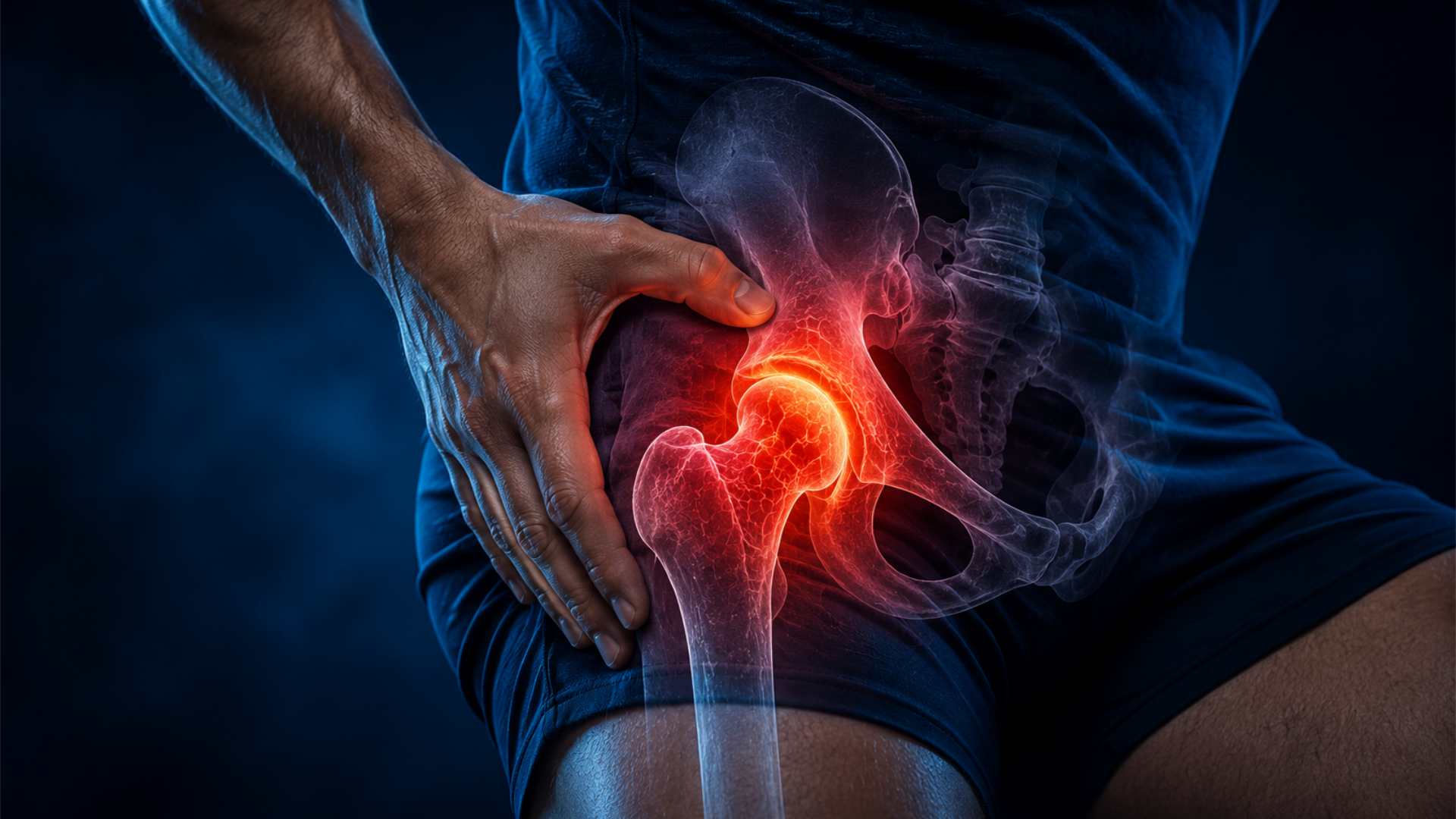
Hip labral tears, osteoarthritis, femoroacetabular impingement, avascular necrosis, and snapping hip syndrome can cause pain, stiffness, catching, and reduced mobility.

Temporary medical illustration placeholder for sacroiliac joint instability and dysfunction
02

Sacroiliac Joint Instability & Dysfunction

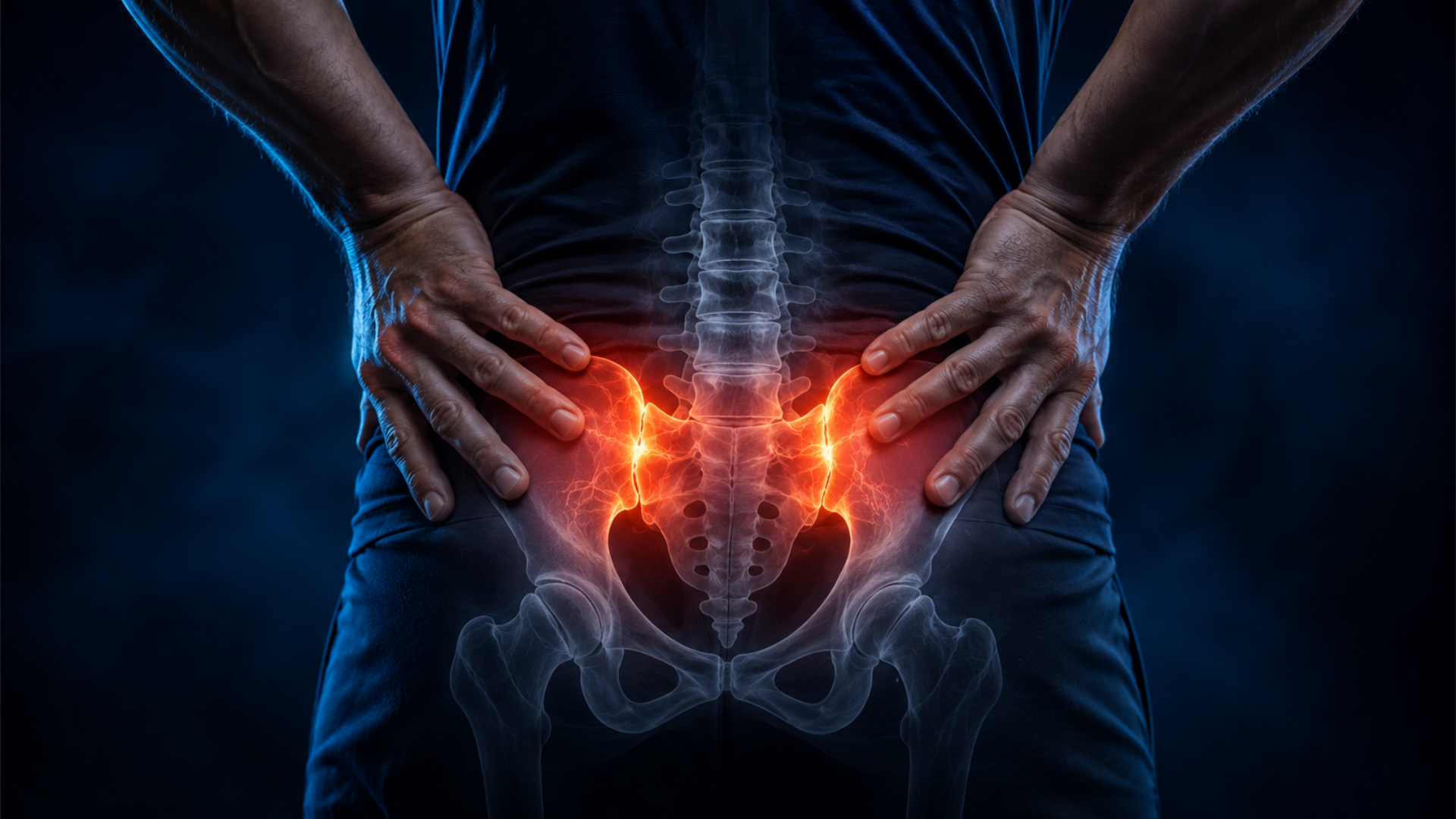
Instability or dysfunction in the sacroiliac joint and its supporting ligaments can affect the pelvis and contribute to pain while walking, sitting, standing, or changing positions.
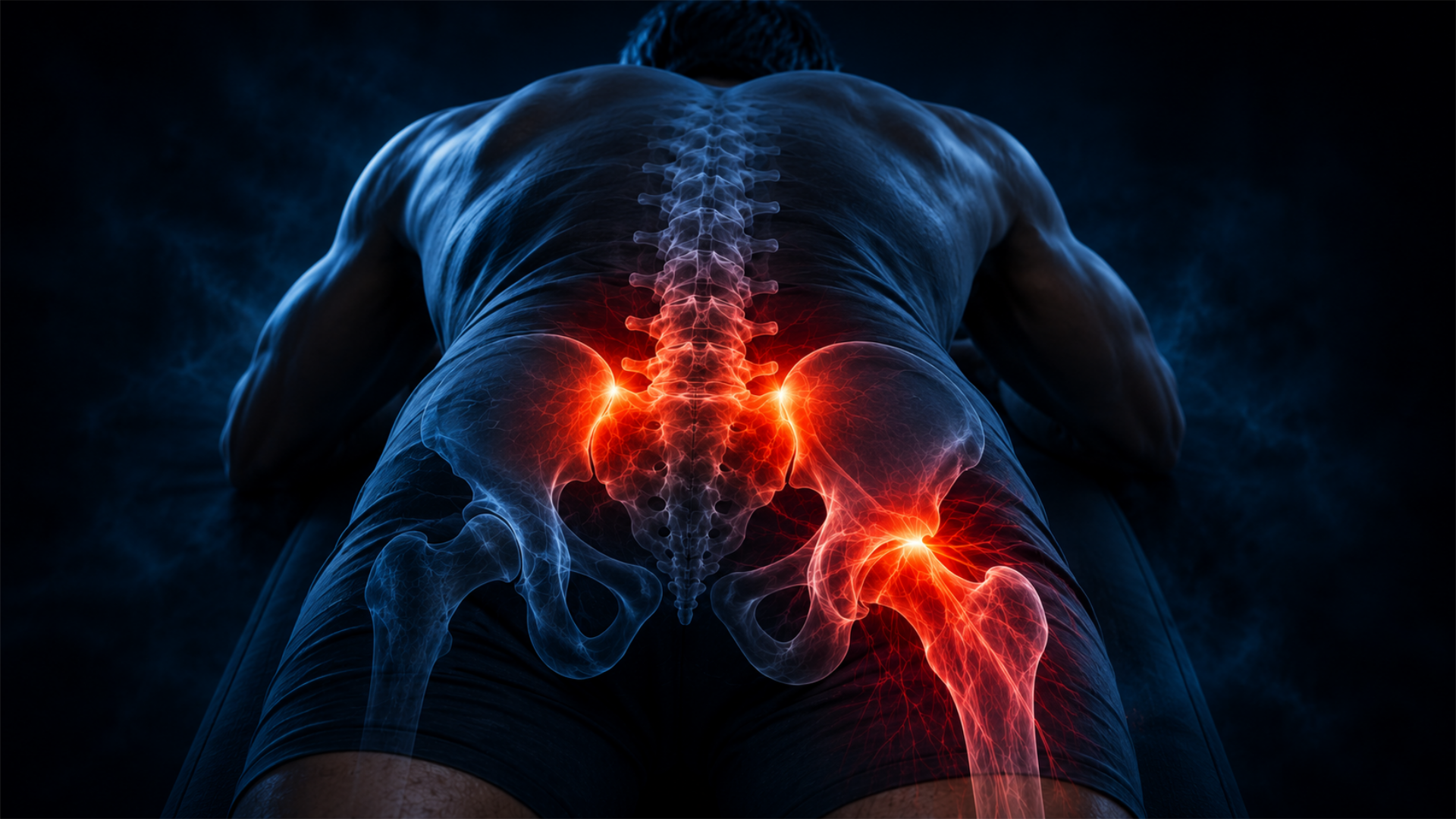
Temporary medical illustration placeholder for hip tendon, muscle, and bursa dysfunction
03

Tendon, Muscle & Bursa Dysfunction

Gluteal, hamstring, adductor, iliopsoas, and piriformis structures may become irritated or dysfunctional, while nearby bursae can also contribute to pain and movement limitations.
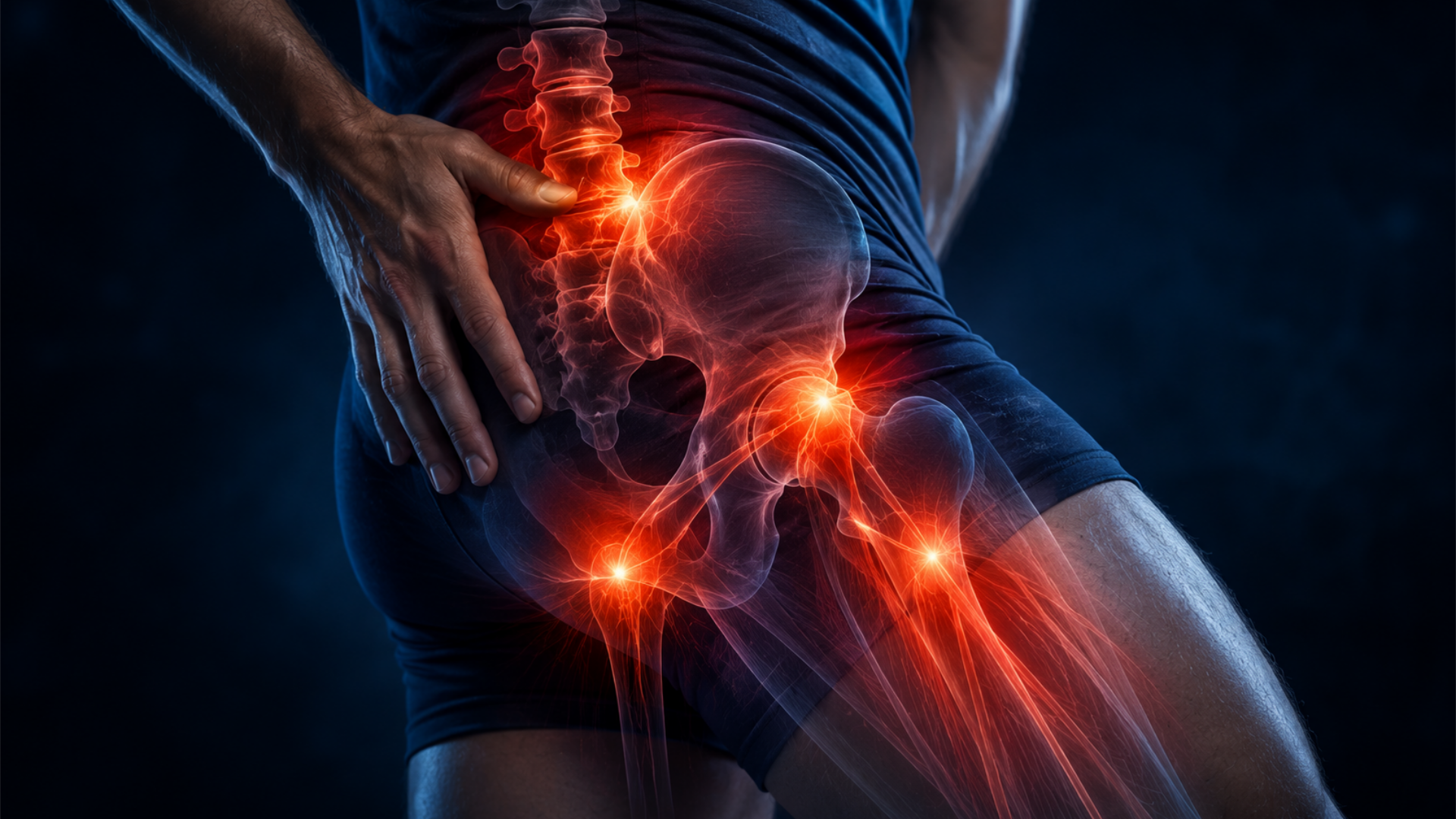
Temporary medical illustration placeholder for referred and overlapping hip or pelvic pain
04

Referred & Overlapping Pain

Lumbar referred pain, pubic symphysis instability, and overlapping hip or pelvic symptoms can mimic one another, making precise diagnosis essential.

At Interventional Orthopedics of Washington (IOW), our doctors take a root-cause approach, not just managing symptoms but identifying and treating the source of your pain using advanced regenerative techniques designed to help you avoid surgery and long-term medications.

Conditions We Treat

Common Hip and Sacroiliac Joint Conditions We Treat

Our practice specializes in diagnosing and treating a wide range of hip and SI joint conditions, both acute and chronic. These include:

Hip Joint Conditions

Hip Labral Tear
Osteoarthritis of the Hip & SI Joint
Avascular Necrosis of the Femoral Head
Snapping Hip Syndrome
Femoroacetabular Impingement (FAI)
Greater Trochanteric Bursitis & Pain Syndrome
Iliopsoas Tendinitis & Tears

SI Joint, Pelvic & Referred Pain Conditions

Sacroiliac Joint Instability & Dysfunction
Gluteal Tendinopathy & Muscle Dysfunction
Piriformis Syndrome
Hamstring & Adductor Tendinopathy
Pubic Symphysis Pain & Instability
Lumbar Referred Pain

Because hip, pelvis, SI joint, and lumbar pain can overlap, precise diagnosis is essential. Our goal is to identify the true pain generator and build a treatment plan that supports long-term function.

Specialized Anatomy

Hip and Sacroiliac Joint Areas We Specialize In

Our doctors use precision imaging and years of musculoskeletal expertise to treat specific, hard-to-reach areas contributing to hip or SI joint dysfunction:

Hip Joint & Soft-Tissue Structures

  • Hip Joint Components: Labrum, ligamentum teres, femoral head, and acetabulum
  • Capsular Ligaments: Iliofemoral, pubofemoral, and ischiofemoral ligaments
  • Muscle Attachments & Tendons: Gluteal, adductor, hamstring, iliopsoas, and piriformis structures

SI Joint & Surrounding Structures

  • SI Joint Complex: Sacroiliac ligaments, iliac crest attachments, piriformis, and obturator internus
  • Surrounding Structures: Iliotibial band, ASIS region, iliopectineal bursa, and ischial bursa

This comprehensive approach allows for targeted treatment, especially in cases where pain overlaps or mimics other conditions.

Evaluation & Treatment

Advanced Diagnostic Evaluation

Accurate diagnosis is critical to lasting recovery. At IOW, we use a combination of tools to pinpoint the true source of your pain:

  • Comprehensive medical history and biomechanical assessment
  • Hands-on physical exams to assess joint stability, mobility, and pain patterns
  • Advanced imaging review, including X-rays, MRI, and musculoskeletal ultrasound when appropriate
  • Diagnostic nerve blocks and image-guided injections for pain mapping

These evaluations provide the blueprint for a personalized treatment plan focused on true healing, not just symptom suppression.

Regenerative Treatments

Types of Regenerative Treatments We Offer

Our doctors specialize in non-surgical, image-guided regenerative procedures that support tissue healing and restore joint function. Depending on your diagnosis, your custom plan may include:

  • Image-Guided Prolotherapy stimulates a natural healing response in ligaments and tendons.
  • Platelet-Rich Plasma (PRP) uses concentrated platelets from your own blood to support tissue repair.
  • Cellular Therapy leverages your own cells to support repair in damaged cartilage, tendons, ligaments, or bone.
  • Intra-Articular Joint Injections provide targeted joint treatment for pain, mobility, and function.
  • Targeted Nerve Blocks are used for comfort and precise localization of pain sources.
  • Peripheral Nerve Blocks may include lateral femoral cutaneous, ilioinguinal, and genitofemoral nerve blocks for neuropathic or referred pain.
These treatments are precisely delivered using fluoroscopy or ultrasound guidance to maximize accuracy, safety, and effectiveness.
Surgery Guidance

When Is Surgery Needed?

Our priority at Interventional Orthopedics of Washington is helping you avoid surgery whenever possible. Many patients with hip or SI joint issues like labral tears, gluteal tendinopathy, or joint instability experience meaningful improvement through targeted regenerative treatments.

  • Advanced joint degeneration shown on imaging
  • Significant structural deformity
  • Loss of mobility that limits daily function
  • Symptoms that do not respond to conservative care
  • A clinical situation where surgical consultation is appropriate

If that time comes, we’ll guide you every step of the way and connect you with experienced orthopedic surgeons.

Why Choose IOW

Why Choose IOW for Hip and SI Joint Treatment?

When it comes to hip and SI joint care, experience and precision matter. Patients choose IOW because our care is physician-led, diagnostic-focused, and designed around long-term function.

  • Expertise in orthobiologics: Our doctors bring years of experience in regenerative orthopedic procedures.
  • Minimally invasive care: Procedures are done with precision imaging, including ultrasound and fluoroscopy.
  • Whole-body insight: We assess how your spine, pelvis, and gait affect hip and SI mechanics.
  • Customized care: Every plan is tailored to your body, lifestyle, and goals.
  • Avoid surgery when possible: Our mission is to keep you moving without a scalpel or operating room whenever appropriate.
Functional Comparison

Healthy Hip & Sacroiliac Joint Function vs Painful or Unstable Function

Healthy Function

Stable, Well-Coordinated Hip & Pelvic Function

  • The hip joint, labrum, capsule, and surrounding ligaments help maintain stability while allowing smooth, controlled motion
  • Gluteal, core, and deep hip muscles coordinate pelvic control, balance, and efficient movement during walking, stairs, and exercise
  • The sacroiliac joint and its supporting ligaments transfer load between the spine, pelvis, and legs with only a small amount of normal motion
  • Balanced mobility, strength, and load tolerance support comfortable sitting, standing, bending, pivoting, and gait
Painful or Unstable

Irritated, Injured, or Poorly Supported Hip & SI Joint

  • Labral injury, femoroacetabular impingement, cartilage loss, or arthritis may cause groin pain, stiffness, catching, or reduced hip motion
  • SI joint ligament injury, instability, or dysfunction may cause pain near the posterior pelvis and difficulty with prolonged sitting, standing, or position changes
  • Gluteal, hamstring, adductor, iliopsoas, or piriformis dysfunction may contribute to lateral, anterior, or posterior hip pain and weakness
  • Lumbar referred pain, peripheral nerve irritation, or altered biomechanics may overlap with hip or SI symptoms and change the way you walk or load the pelvis
Treatment Protocol

Our 2-Step Approach to Hip & Sacroiliac Joint Pain

A physician-led process that combines a detailed diagnostic evaluation with an individualized plan based on the suspected pain generator, physical examination, imaging, biomechanics, activity goals, and overall health.

1 · In-Office

Advanced Diagnostic Evaluation

Identifies the hip, pelvic, sacroiliac, lumbar, tendon, ligament, joint, or nerve structure most likely contributing to your symptoms
  • Review your medical history, symptom pattern, injury history, previous treatment, and activity goals
  • Perform a detailed examination of the hip, pelvis, sacroiliac joint, and lumbar spine, including tenderness, range of motion, strength, stability, neurologic findings, and targeted provocative tests
  • Assess gait, posture, pelvic control, lower-extremity alignment, biomechanics, and how symptoms change with movement or load
  • Review available X-rays, MRI, CT, ultrasound, or other prior imaging when clinically relevant
  • Use diagnostic musculoskeletal ultrasound and, in selected cases, an image-guided diagnostic injection or nerve block when it may help localize the pain source
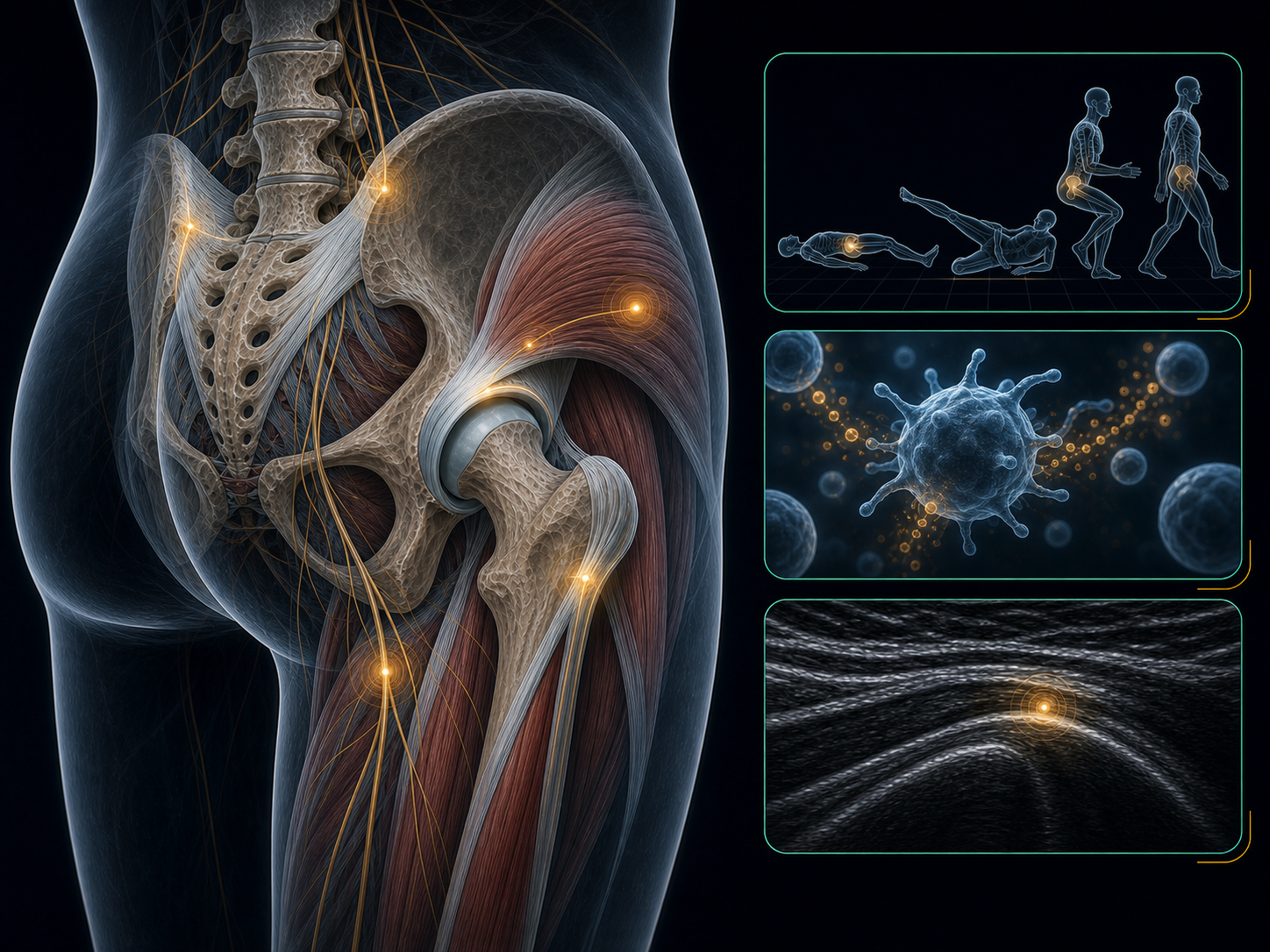
Hip and sacroiliac joint evaluation illustration with radiographic, ultrasound, and biomechanical assessment views
2 · Individualized Plan

Targeted Non-Surgical Treatment

Matches treatment to the diagnosis and most likely pain generator rather than simply treating the location of pain
  • Rehabilitation and Load Management - may include activity modification, progressive gluteal and core strengthening, pelvic stabilization, mobility work, gait retraining, and gradual return to activity
  • Platelet-Rich Plasma (PRP) - may be considered for selected tendon, ligament, or joint-related conditions after reviewing the diagnosis, available evidence, alternatives, and expected recovery
  • Image-Guided Prolotherapy - may be discussed for carefully selected ligament, tendon, or instability-related conditions around the hip or SI region where the potential benefits and limitations are understood
  • Autologous Bone Marrow Concentrate (BMC) - may be discussed in carefully selected cartilage, bone, or joint cases after reviewing the uncertainties, alternatives, risks, recovery, and costs
  • Joint, Bursa, or Nerve-Targeted Procedures - may include image-guided hip or SI joint injections, bursa procedures, targeted nerve blocks, or peripheral nerve blocks when examination and imaging support a specific target
  • Specialist Referral - recommended when advanced degeneration, structural deformity, femoral head collapse, fracture, progressive neurologic findings, or another condition is better treated surgically or by a different specialist
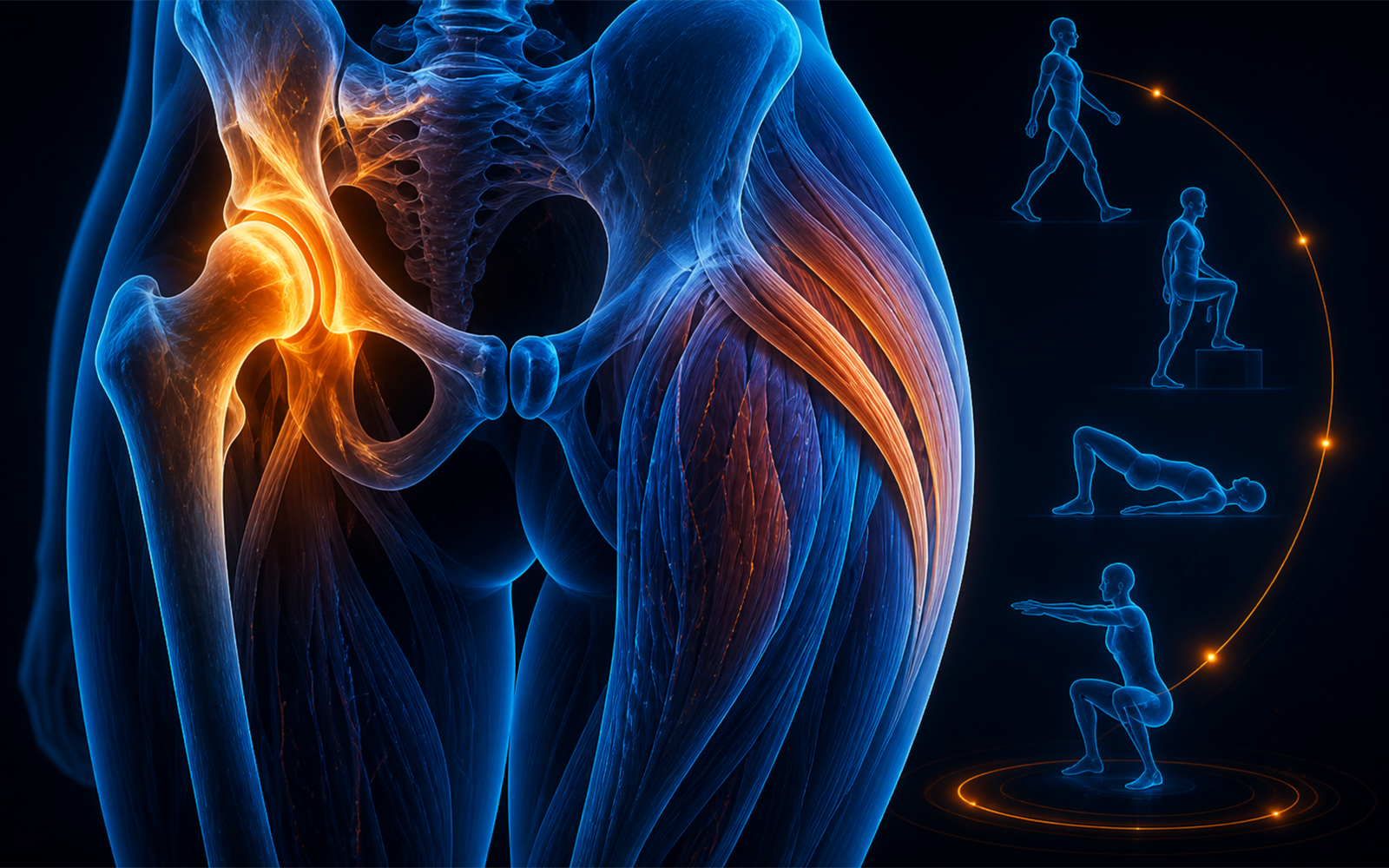
Individualized non-surgical hip and sacroiliac joint treatment concept with anatomical targets and diagnostic views

Precise diagnosis. Individualized treatment.

Not every hip or sacroiliac joint condition requires an injection. Because hip, pelvis, SI joint, lumbar, tendon, and nerve pain can overlap, treatment is based on the most likely pain generator rather than symptoms alone. When a procedure is recommended, ultrasound or fluoroscopy is selected according to the treatment target and clinical need. Benefits, risks, alternatives, recovery expectations, and limitations are reviewed before treatment, and outcomes vary by condition and patient.

Who May Benefit

Who Should Consider a Hip & Sacroiliac Joint Evaluation?

Persistent Pain Despite Appropriate Conservative Care

An evaluation may be helpful when hip, buttock, groin, pelvic, or sacroiliac joint pain continues despite a reasonable trial of physical therapy, activity modification, strengthening, mobility work, medication management, or other appropriate first-line care.

Post-Injury Pain, Instability, or Altered Mechanics

This includes people with persistent symptoms after a fall, collision, sports injury, pregnancy-related pelvic stress, or previous hip or lumbar procedure, as well as those who notice painful clicking, weakness, instability, or difficulty with stairs, single-leg loading, prolonged sitting, or standing.

Suspected Joint, Labral, Tendon, Ligament, or Nerve Pain

A detailed assessment may help when symptoms suggest hip osteoarthritis, a labral injury, femoroacetabular impingement, gluteal or hamstring tendinopathy, sacroiliac joint dysfunction, ligament-related instability, bursitis, piriformis-related pain, or irritation of a nearby peripheral nerve.

Exploring Non-Surgical Options Before Elective Surgery

Patients considering hip surgery or sacroiliac joint fusion may benefit from reviewing the diagnosis, imaging, rehabilitation options, and reasonable non-surgical treatments before deciding on the next step. Fractures, infection, advanced joint destruction, femoral head collapse, major structural deformity, or progressive neurologic symptoms may still require prompt specialist care.

Ready to Participate in Rehabilitation and Follow-Up

The best candidates understand that recovery often requires progressive hip, core, and pelvic strengthening, gait or movement retraining, load management, and follow-up care. A procedure, when appropriate, is usually one part of a broader treatment plan.

The evaluation determines candidacy: not every hip or sacroiliac joint condition is appropriate for an injection or regenerative procedure. Acute fracture or dislocation, infection, rapidly progressive weakness or numbness, advanced joint destruction, femoral head collapse, severe structural deformity, and other urgent or clearly surgical problems may require different care or specialist referral.

Take the First Step

Could Non-Surgical Care Be Appropriate for Your Hip or SI Joint Pain?

Schedule an evaluation to review your symptoms, examination findings, hip and pelvic mechanics, previous treatment, and imaging. In-person care is recommended when a hands-on hip, spine, pelvis, or sacroiliac joint examination or diagnostic ultrasound is needed. Telemedicine may be available for an initial records and imaging review.

Know Your Options

Understanding Non-Surgical Care and When Surgery May Be Needed

Many hip and sacroiliac joint conditions are treated non-surgically first, while certain structural problems require surgical care. The right sequence depends on the diagnosis, severity, function, imaging findings, and response to appropriate prior treatment.

Hip & Sacroiliac Joint Surgical Considerations

  • Surgery may be appropriate for an acute hip fracture or dislocation, femoral head collapse from osteonecrosis, advanced hip arthritis with major functional limitation, selected labral or impingement disorders, infection, or carefully confirmed SI joint dysfunction that has not improved with comprehensive nonoperative care.15
  • Recovery varies by procedure and may involve walking aids, protected weight-bearing, hip precautions, activity restrictions, and structured rehabilitation over weeks or months.2
  • Hip arthroscopy may address selected labral tears or femoroacetabular impingement, but candidacy depends on the specific anatomy, cartilage condition, symptoms, and examination findings.1
  • Total hip replacement can reduce pain and improve function in advanced joint disease, but the implant can loosen, wear, dislocate, or eventually require revision surgery.2
  • Potential risks vary by operation and can include infection, blood clots, nerve or blood-vessel injury, dislocation, implant or hardware problems, nonunion, stiffness, and persistent pain. SI joint fusion is reserved for carefully selected patients after the diagnosis has been supported and appropriate nonoperative treatment has failed.

The IOW Diagnosis-First Approach

  • Care begins with a detailed history, hip, spine, pelvis, and SI joint examination, biomechanical assessment, and review of appropriate imaging to identify the most likely pain generator.
  • Initial care may include hip, core, and pelvic rehabilitation, progressive loading, gait or movement retraining, activity modification, and medication management when appropriate.
  • Selected image-guided procedures may be considered when the diagnosis supports a specific hip joint, SI joint, labral, tendon, ligament, bursa, bone, or peripheral nerve target.
  • PRP, prolotherapy, bone marrow concentrate, and other orthobiologic procedures are not interchangeable. Evidence, risks, recovery, regulatory status, and expected benefit vary by treatment and diagnosis.3
  • If surgery, fracture care, infection management, or another specialist is more appropriate, we explain why and coordinate referral rather than delaying necessary care.
Sources: 1. American Academy of Orthopaedic Surgeons. Femoroacetabular Impingement and Hip Arthroscopy. OrthoInfo  |  2. American Academy of Orthopaedic Surgeons. Total Joint Replacement and Activities After Hip Replacement. OrthoInfo  |  3. U.S. Food and Drug Administration. Consumer Alert on Regenerative Medicine Products Including Stem Cells and Exosomes. FDA  |  4. American College of Radiology. Chronic Hip Pain. ACR Appropriateness Criteria  |  5. Centers for Medicare & Medicaid Services. Minimally Invasive Fusion of the Sacroiliac Joint. CMS. This information is educational and is not a substitute for an individual medical evaluation.
The IOW Care Experience

Clear Answers, Individualized Care

Your visit begins with a diagnosis-focused evaluation rather than assuming that every hip, groin, buttock, pelvic, or SI joint symptom comes from the same structure or should receive the same treatment.

Understand the Pain Generator

History · Hip and Pelvic Exam · Imaging · Biomechanics

Recommendations are explained in plain language, including expected benefits, limitations, alternatives, risks, recovery considerations, and when a procedure is not appropriate.

Make an Informed Decision

Transparent · Evidence-Informed · Patient-Centered

Treatment planning considers hip, core, and pelvic rehabilitation, stability, mobility, gait mechanics, load tolerance, activity goals, and follow-up instead of relying on a procedure alone.

Build a Complete Recovery Plan

Rehabilitation · Progression · Follow-Up

These cards describe the care process and are not patient testimonials or promises of treatment outcome. Verified hip and sacroiliac joint reviews can be added here later without changing the section layout.

From the IOW Blog

Keep Learning About Hip & SI Joint Care

Explore IOW articles on PRP, rehabilitation, prolotherapy, orthobiologics, and non-surgical treatment planning relevant to hip joint pain, gluteal and hamstring tendons, pelvic stability, and the sacroiliac joint.
Temporary placeholder for an article about non-surgical hip and sacroiliac joint treatments

Non-Surgical Care · Hip & SI Joint Pain

Top 5 Non-Surgical Joint Pain Treatments That Actually Work

Explore PRP, bone marrow concentrate, prolotherapy, and functional rehabilitation for joint pain. The article specifically discusses hip conditions, labral tears, instability, and prolotherapy for SI joint dysfunction.

Read Article
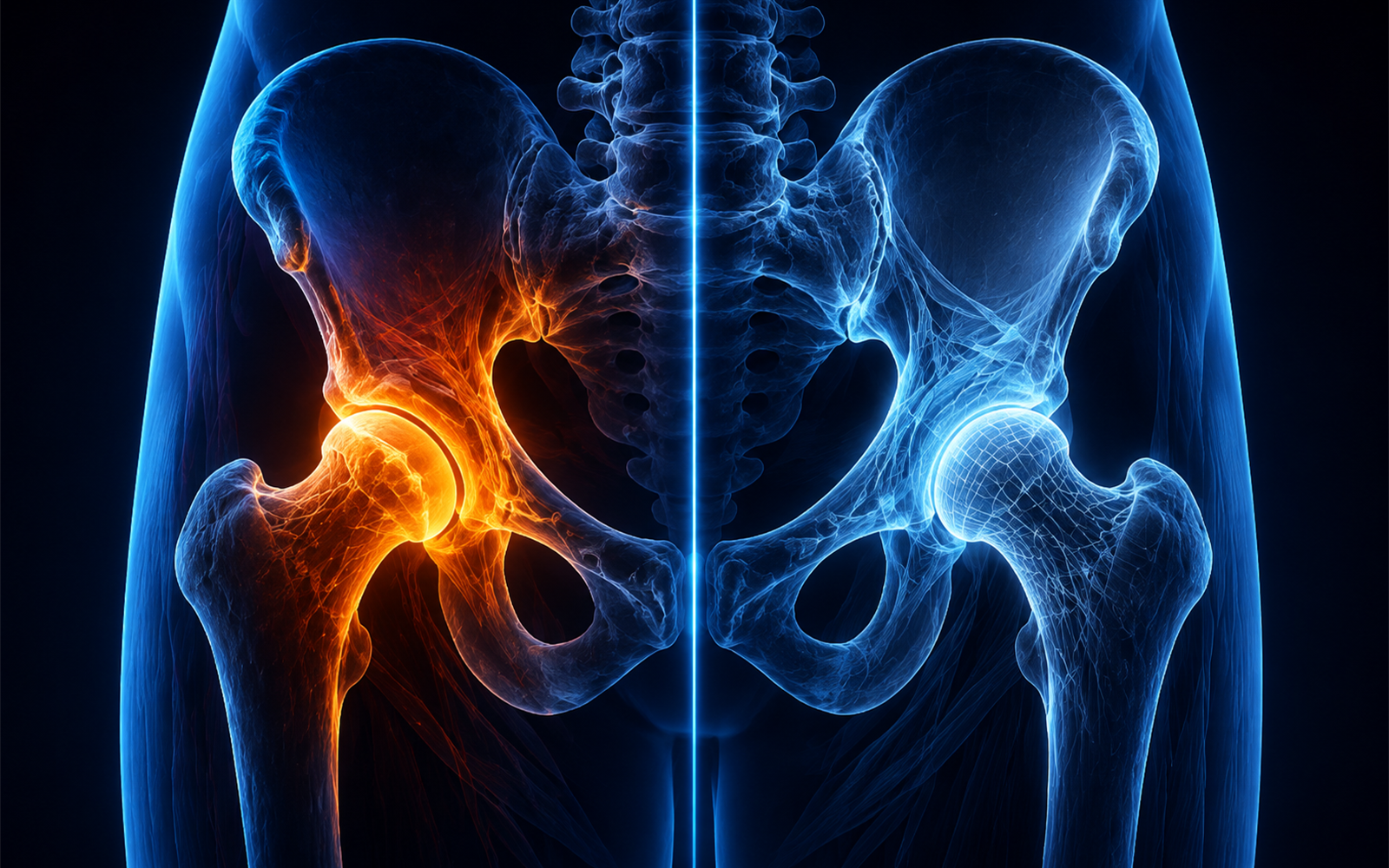
Temporary placeholder for an article about PRP safety for hip and sacroiliac joint pain

PRP Safety · Hip & SI Joint Pain

Is PRP Therapy Safe? What You Need to Know Before Starting Treatment

Learn how image-guided PRP is prepared and delivered, which risks and temporary side effects to consider, and how candidacy is evaluated. The article specifically includes hip and SI joint pain among the conditions discussed.

Read Article
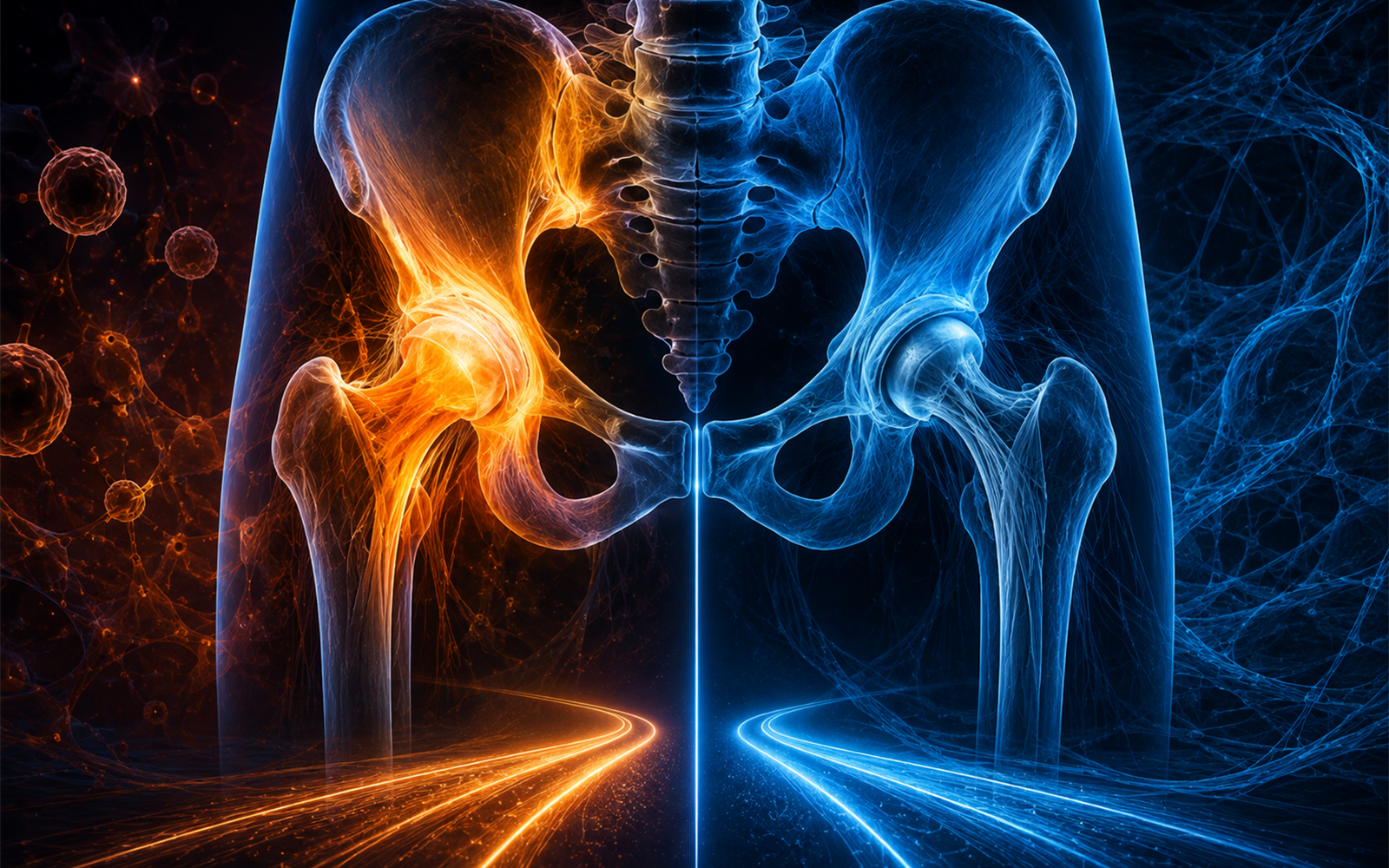
Temporary placeholder for an article comparing PRP and prolotherapy for hip and sacroiliac joint conditions

PRP vs Prolotherapy · Hip & SI Region

PRP vs Prolotherapy: Which Regenerative Treatment Is Better for Joint Pain Relief?

Compare how PRP and prolotherapy differ in preparation, evidence, treatment frequency, recovery, and clinical use. The article discusses PRP for early hip arthritis and gluteal tendinopathy, as well as selective prolotherapy use in the sacroiliac region when instability is suspected.

Read Article
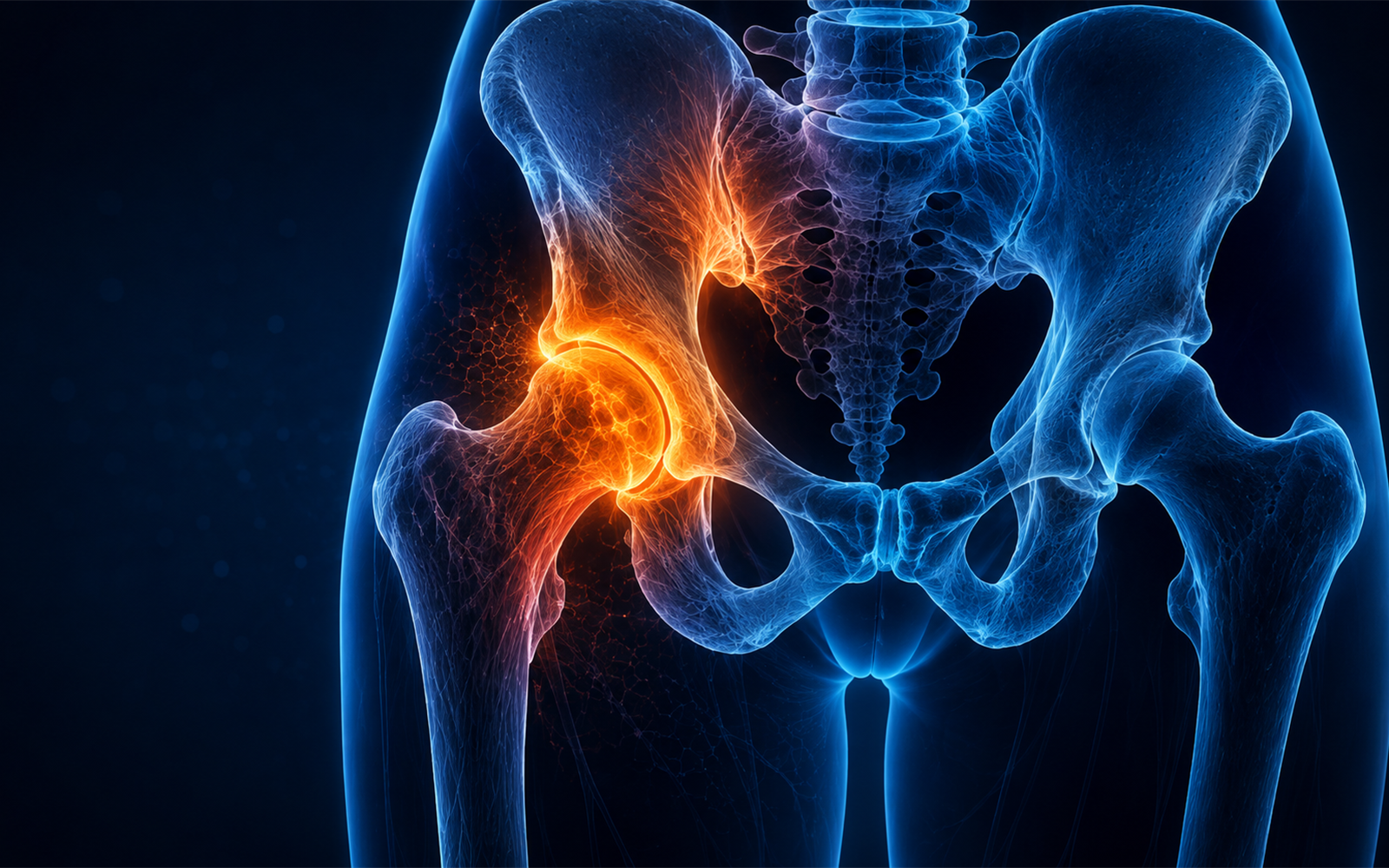
Temporary placeholder for an article about orthobiologic and surgical options for hip and sacroiliac joint pain

Orthobiologics · Hip & SI Joint Options

Orthobiologics vs Surgery: When Regenerative Therapies Can Help You Avoid the Operating Room

Learn how PRP, prolotherapy, and bone marrow concentrate may be considered for selected joint, tendon, ligament, instability, or early degenerative conditions, while recognizing that advanced arthritis, fracture, infection, structural collapse, and other surgical problems require different care.

Read Article
Frequently Asked Questions

Hip & SI Joint Regenerative Medicine FAQs

Answers to common questions about hip pain, sacroiliac joint pain, instability, precise diagnosis, and non-surgical regenerative treatment options.

Pain in the hip or sacroiliac (SI) joint can come from irritated nerves, inflamed bursae, worn cartilage, or strained ligaments and tendons. These structures are deeply interconnected, which is why pain may also radiate to the lower back, groin, or thighs.

Hip pain often appears in the front or side of the hip and may worsen with movement while SI joint pain is usually felt in the lower back or buttock, especially when standing or shifting weight. These conditions can overlap, so precise diagnosis is key.

Instability can result from ligament laxity, prior injury, muscle weakness, childbirth, or abnormal pelvic alignment. It often leads to chronic pain, clicking, or a feeling that the joint “gives out.”

Yes. We specialize in non-surgical, image-guided regenerative therapies that help heal damaged tissues, strengthen ligaments, and restore joint function without narcotics or invasive procedures.

We use a combination of physical exams, diagnostic imaging, and image-guided nerve blocks to pinpoint the source of your pain. This ensures your treatment is not just effective but specific and personalized.

Cortisone offers short-term relief but can weaken tissue over time. Regenerative treatments like PRP or prolotherapy stimulate healing and restore joint integrity, offering sustainable, long-term results without degeneration.

Can’t find your condition on the list?

You might be a candidate. Schedule your free discovery call and let’s explore your options.

Schedule a Discovery Call

Medically reviewed by Dr. Otoño Silva, M.D.

Board Certified in Physical Medicine & Rehabilitation · Fellowship-Trained in Interventional Orthopedics, Centeno-Schultz Clinic

Last reviewed