01
Joint & Disc Degeneration
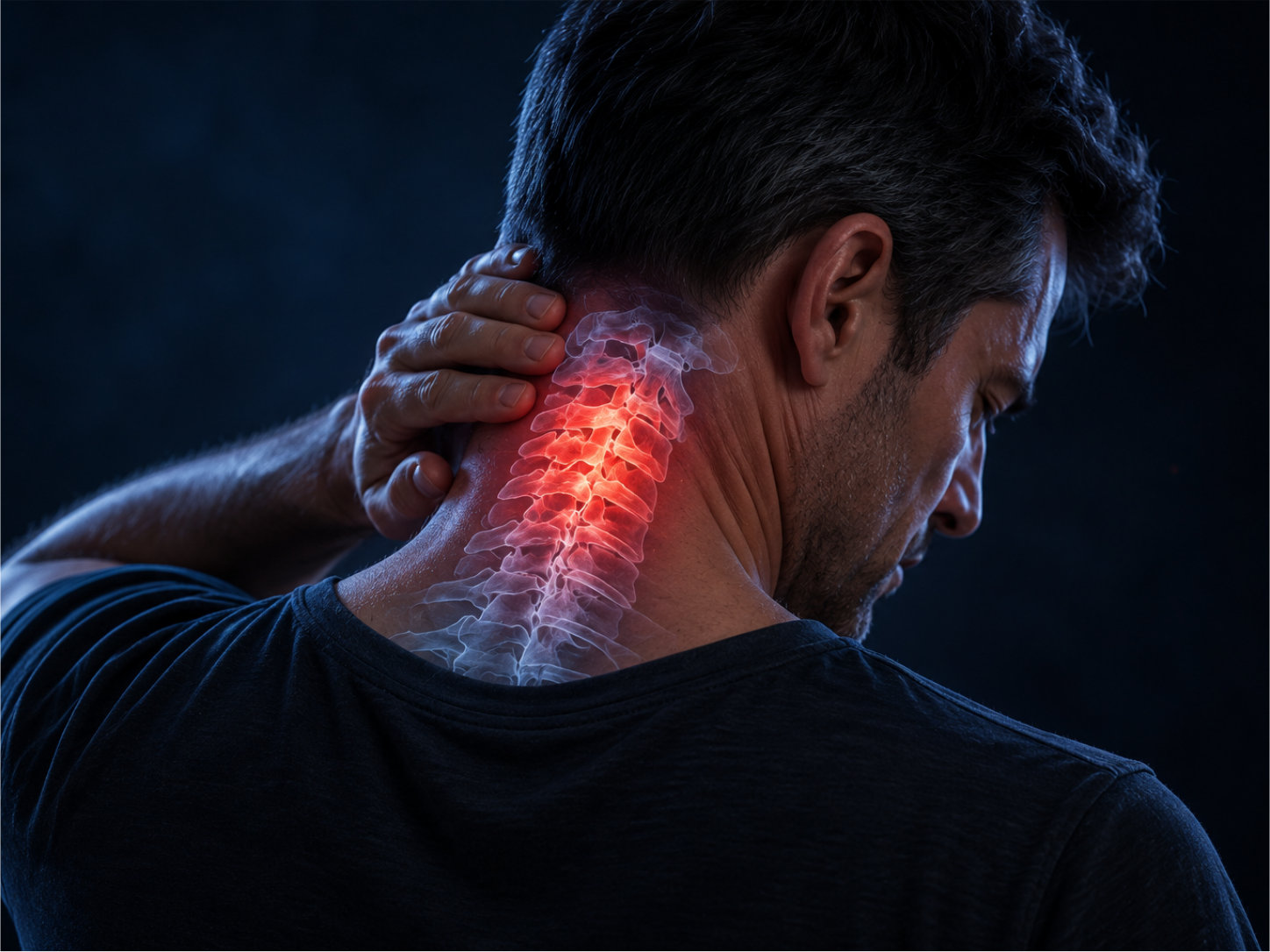
Cervical facet joints and discs wear down over time. Arthritis and disc changes irritate surrounding tissues, causing stiffness and persistent aching pain.

Don't wait for it to worsen. Interventional Orthopedics of Washington provides non-surgical, regenerative medicine treatments for complex head and neck pain — focused on lasting relief, improved function, and treating the source of pain.
Neck and head pain are among the most common musculoskeletal issues affecting adults in the U.S. According to the National Institutes of Health, nearly one in three people experience neck pain at least once per year. While pain in this area can be debilitating, surgery is not always the only or best option.
Cervical facet joints and discs wear down over time. Arthritis and disc changes irritate surrounding tissues, causing stiffness and persistent aching pain.
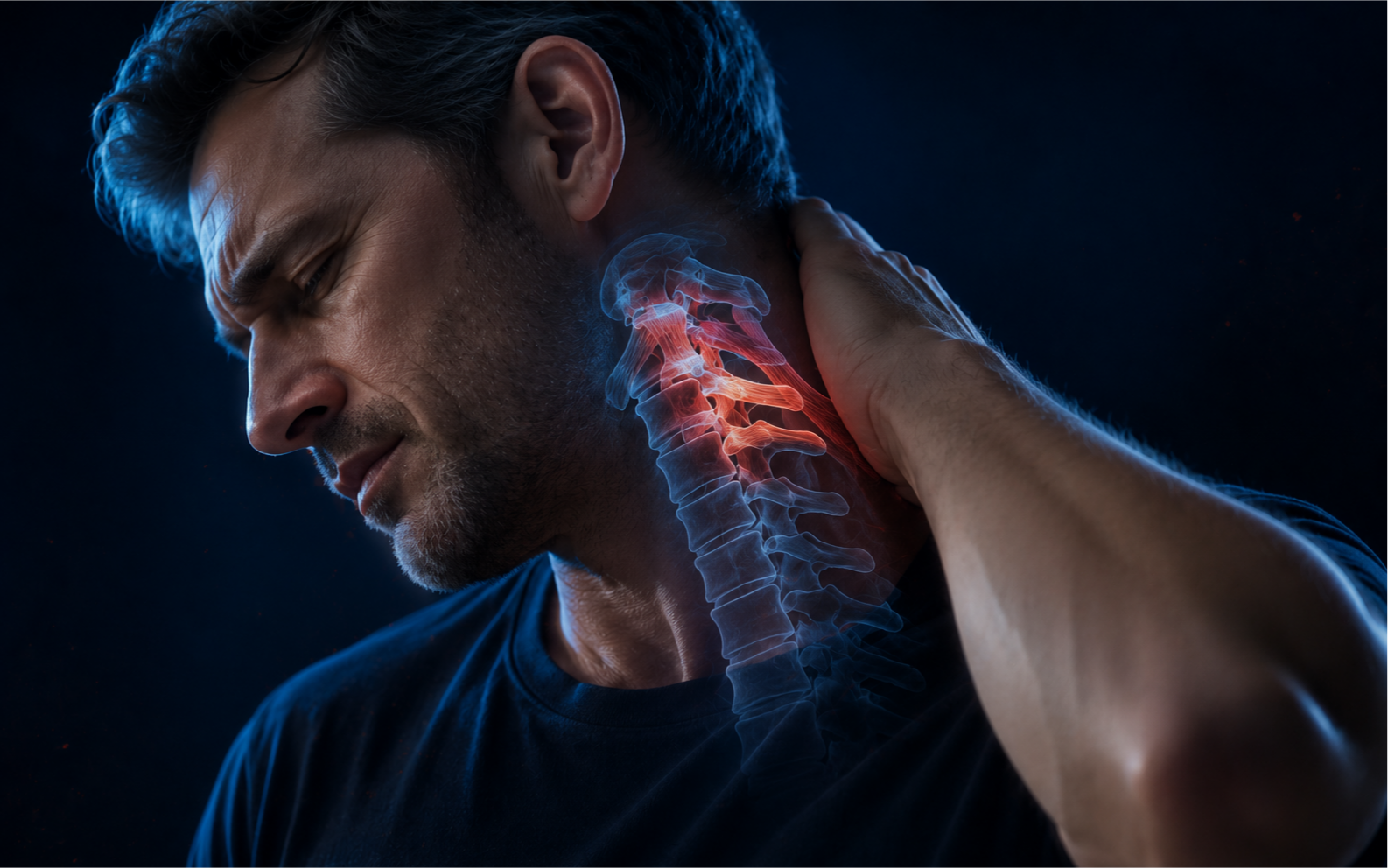
Whiplash or trauma can stretch the ligaments that stabilize your neck, allowing excess movement that strains muscles and irritates joints and nerves.
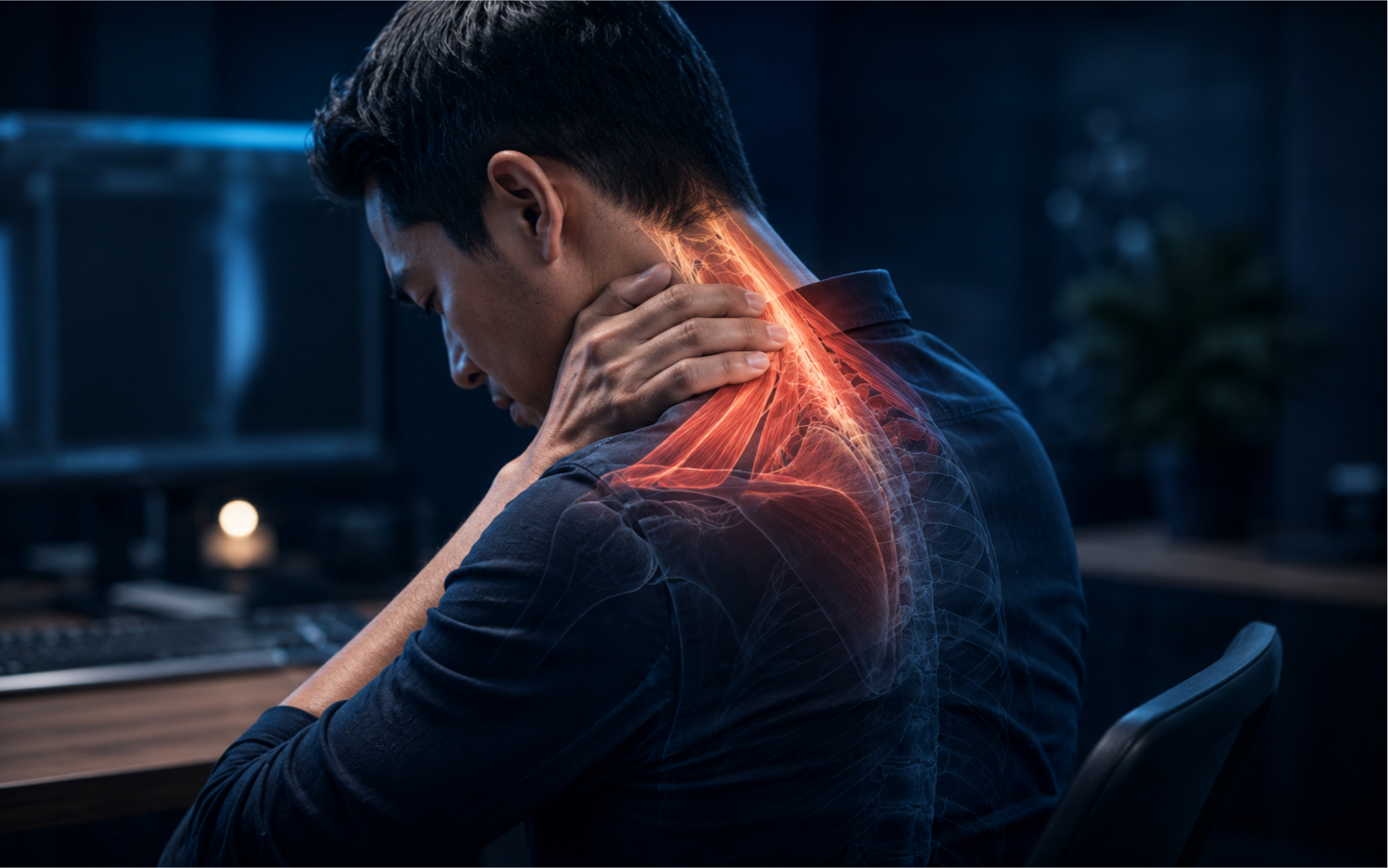
Forward-head posture and weak deep stabilizers overload the muscles supporting your head, leading to chronic tension, trigger points, and headaches.
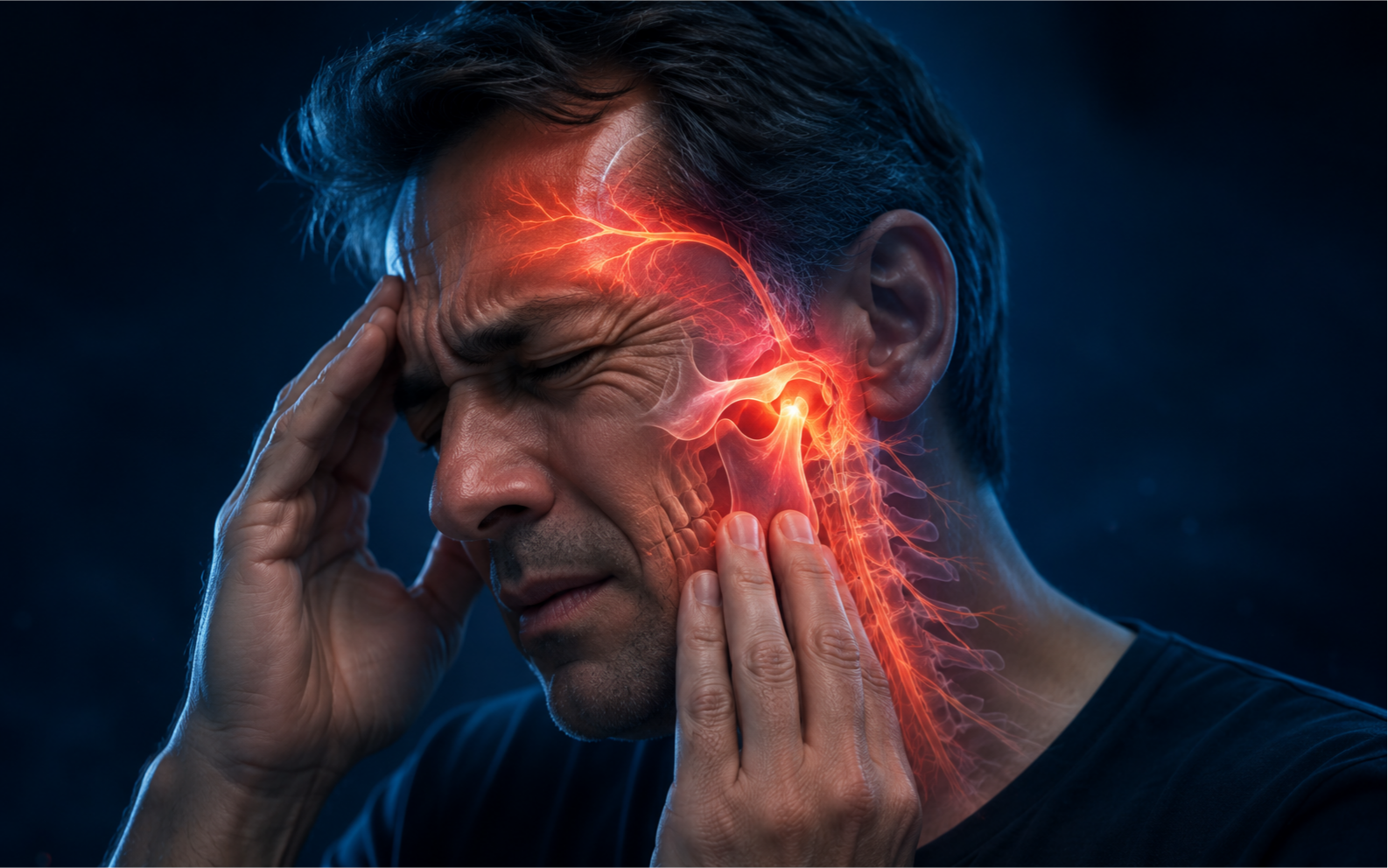
Compressed or inflamed cervical nerves can radiate pain into the head, face, shoulders, or arms — and contribute to chronic headaches and TMJ symptoms.
At Interventional Orthopedics of Washington, we specialize in non-surgical, regenerative medicine treatments that promote healing at the source. Whether you're suffering from chronic headaches, TMJ dysfunction, or cervical instability, our approach targets the root causes to restore mobility and reduce pain without invasive procedures.
Our clinic treats a wide range of complex head and neck conditions using advanced image-guided regenerative therapies. These include:
By treating the soft tissues, joints, ligaments, and nerves involved in these conditions, we help patients experience lasting relief without relying on narcotics or surgery.
Our primary goal at IOW is to help you avoid unnecessary surgery and medications whenever possible. In most cases, regenerative treatments provide long-lasting relief and improved function, eliminating the need for interventions like surgery, ablations, cortisone injections, and other degenerative approaches.
However, if conservative care does not produce the desired outcome or imaging reveals severe structural instability, we can coordinate with trusted specialists for further care.
Patients choose IOW because we offer physician-led, patient-centered care focused on healing, function, and long-term outcomes.
We're not just treating symptoms, we’re promoting long-term healing without drugs or surgery.
Regenerative treatments at IOW are highly targeted and precise. We focus on healing the following anatomical structures:
Using advanced imaging technologies, we can deliver regenerative treatments directly into these problem areas with accuracy and safety.
A physician-designed protocol combining precise diagnosis with targeted, image-guided regenerative treatment — tailored to your anatomy, lifestyle, and goals.
Finds the true source of your pain
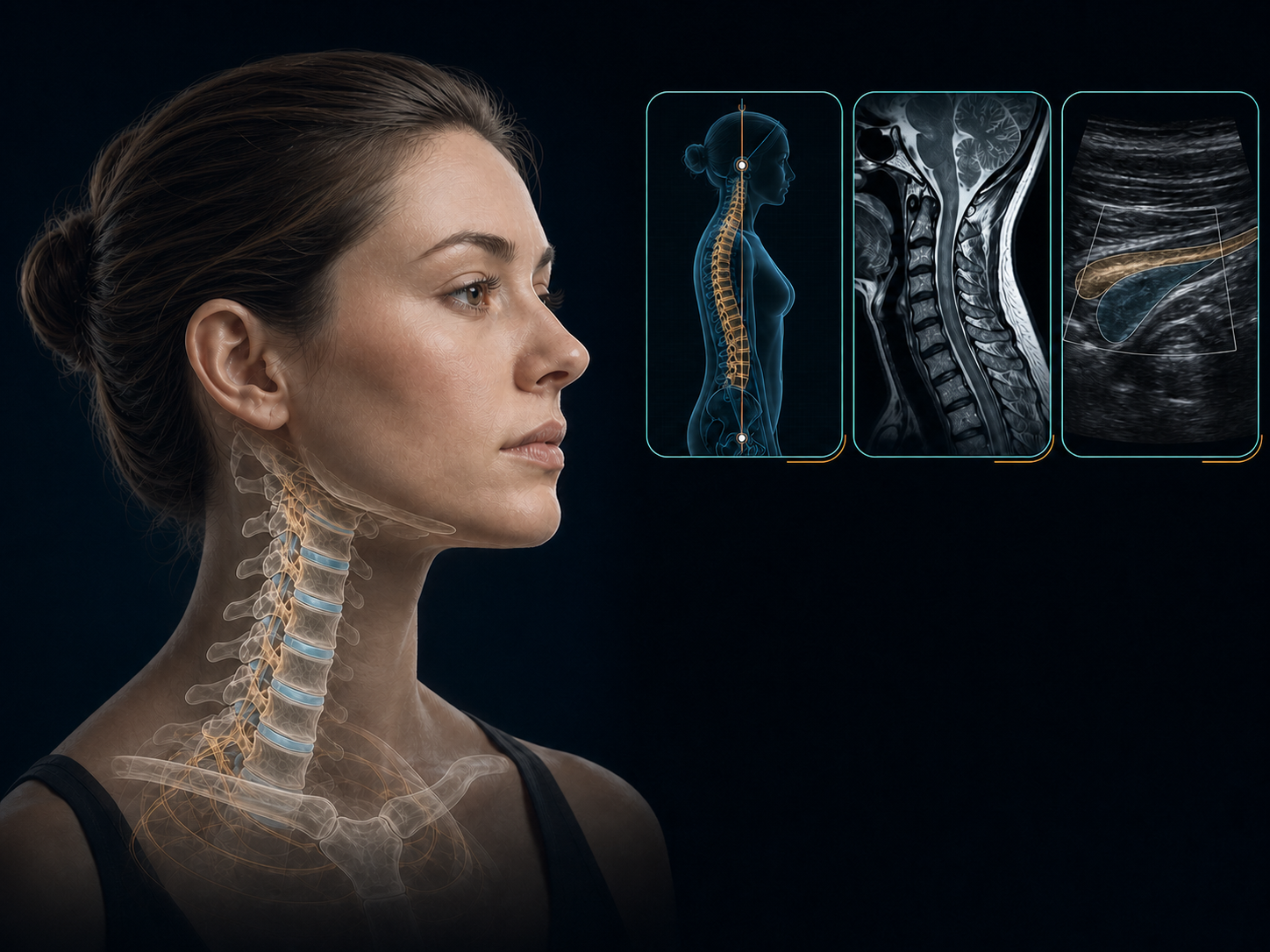
Stimulates your body's natural healing mechanisms
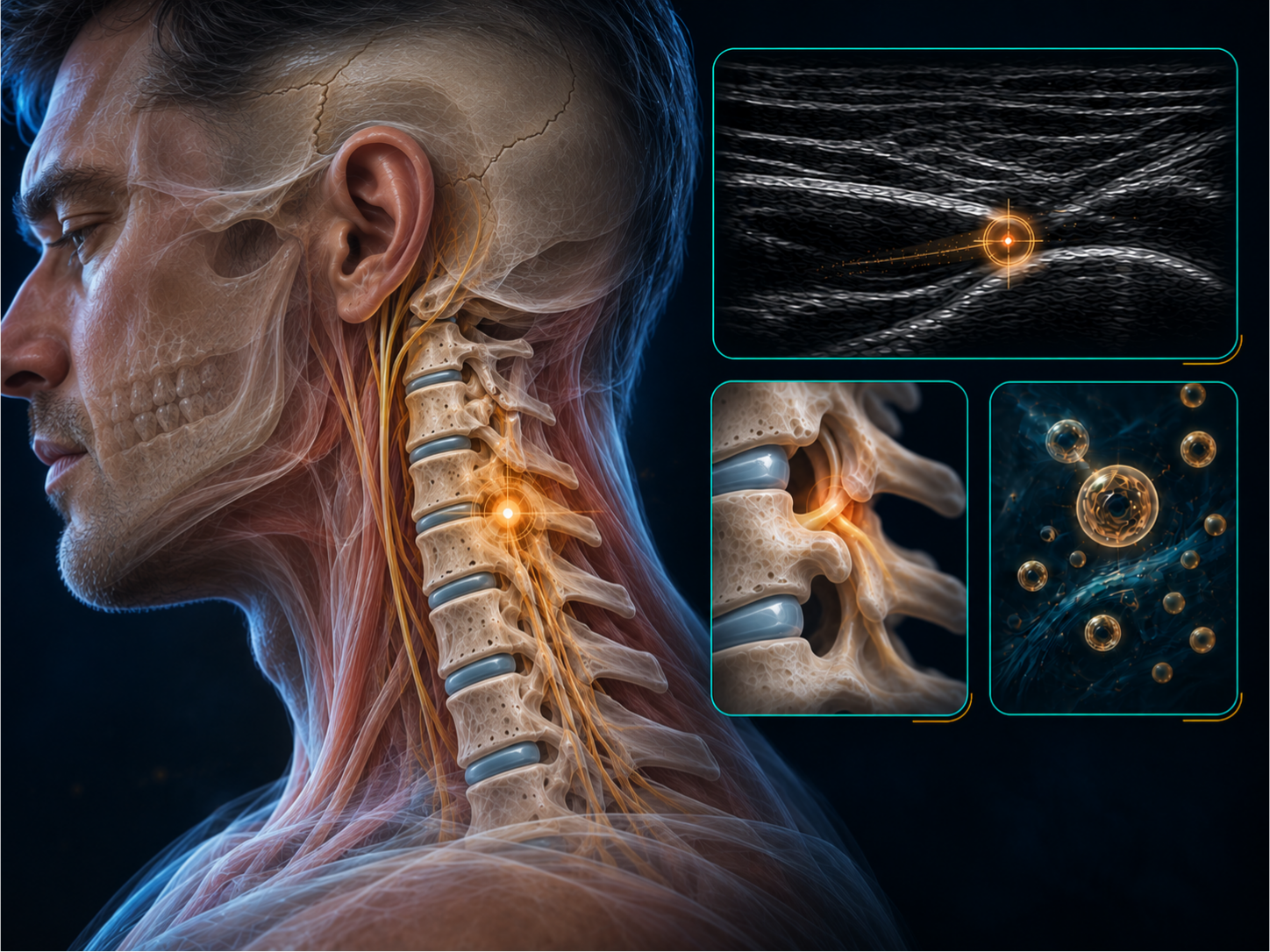
Precise diagnosis. Targeted regeneration.
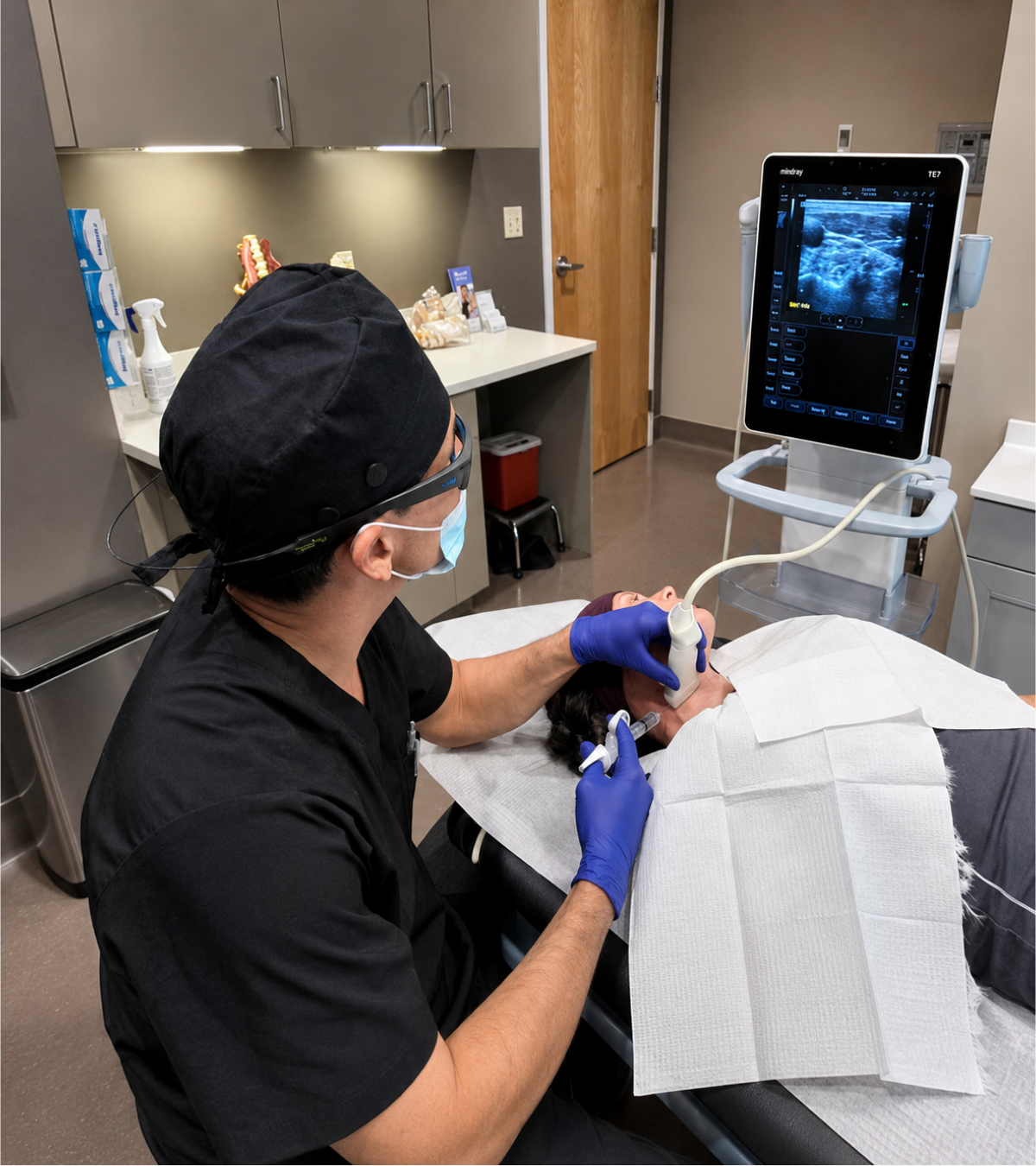
All treatments are precisely delivered using fluoroscopy or ultrasound guidance to maximize effectiveness and safety.
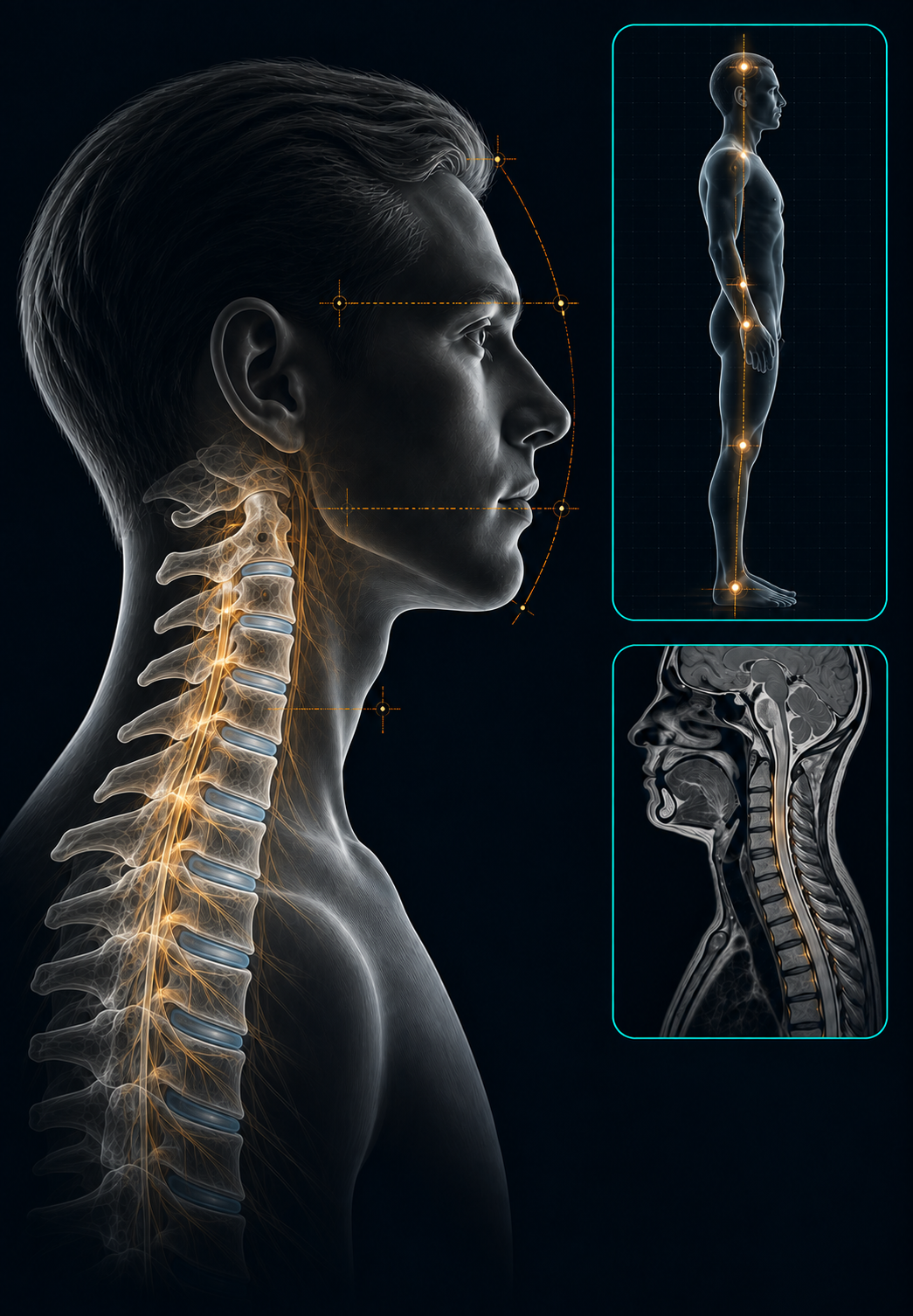
Your physician reviews your history, examines your neck, evaluates posture, and uses real-time ultrasound to identify the true source of your pain.
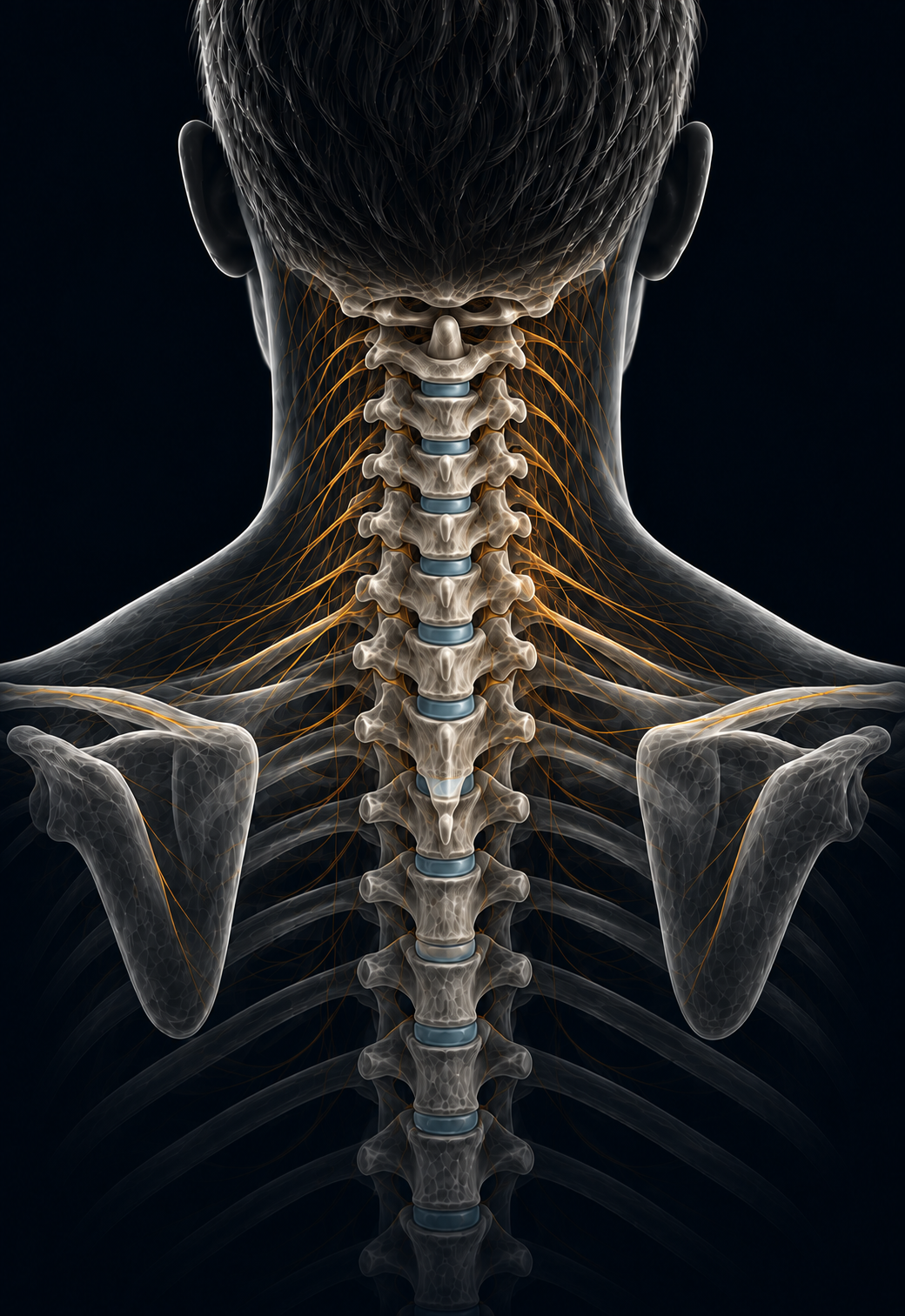
An integrative plan is built around your anatomy, lifestyle, and goals — targeting the specific joints, ligaments, muscles, or nerves involved.
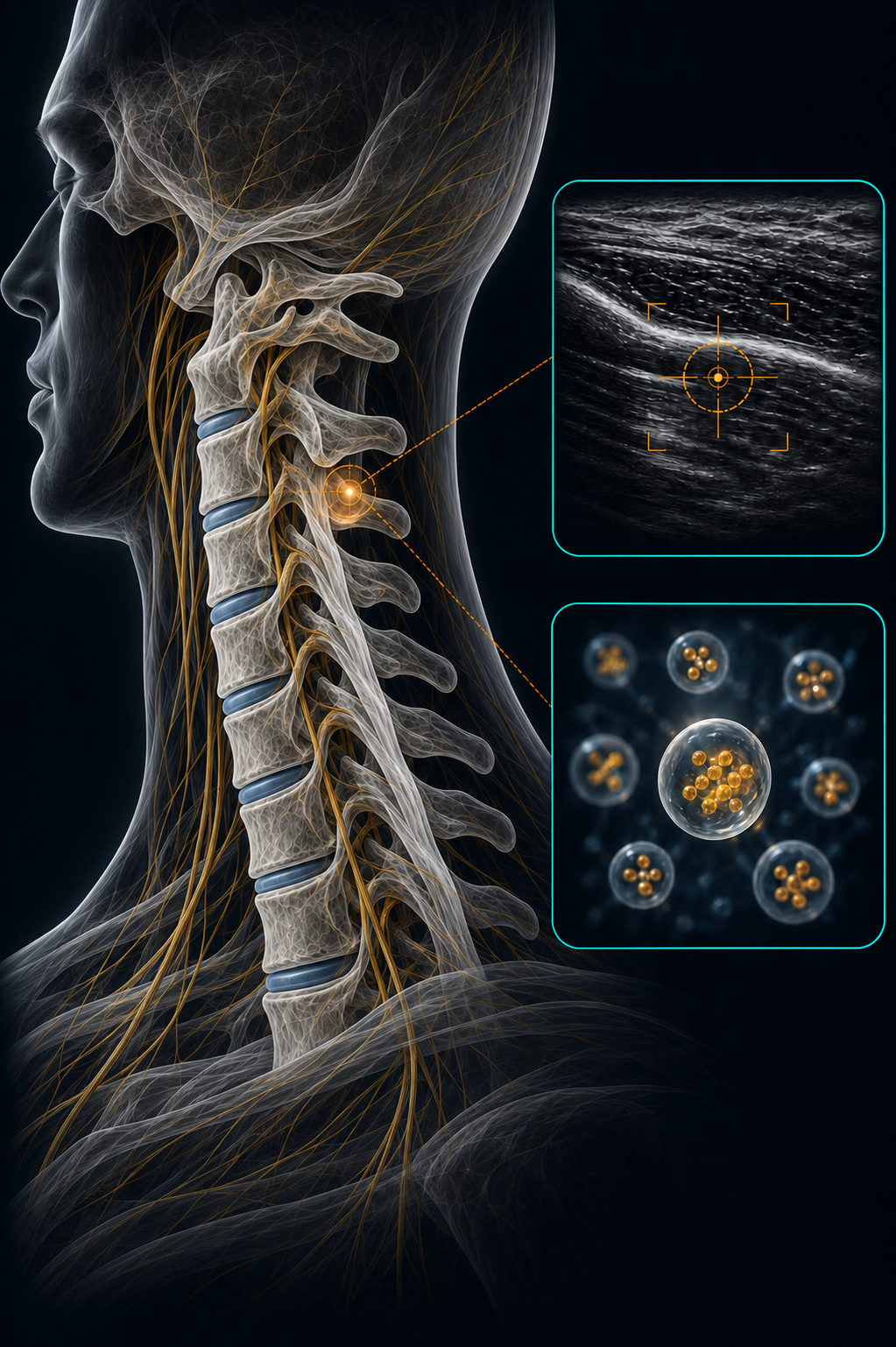
Precise, physician-administered PRP, prolotherapy, or nerve treatments are delivered directly to the problem areas under ultrasound or fluoroscopy guidance.
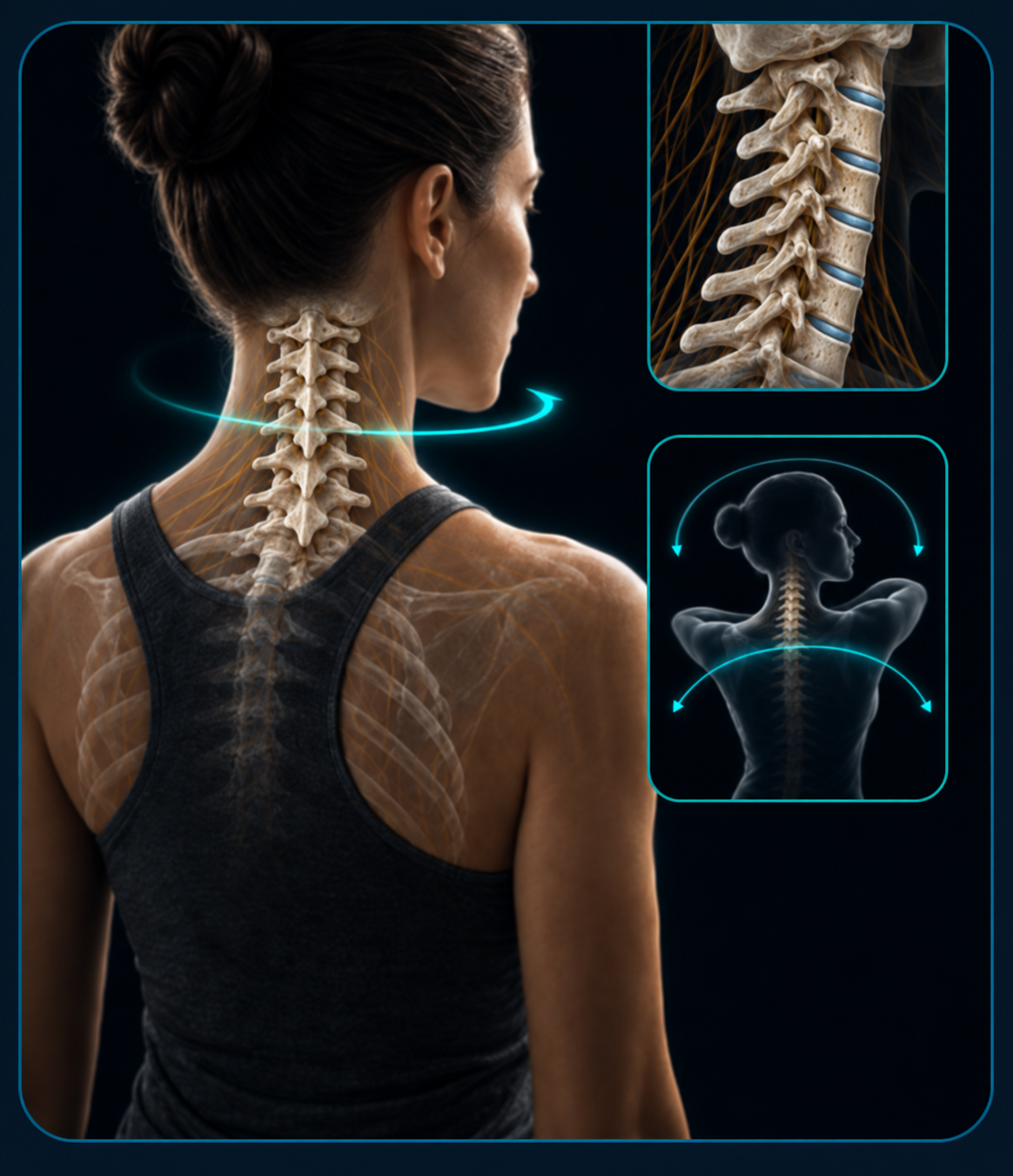
Over the following weeks, treated tissues strengthen and inflammation settles. Follow-up visits track your progress toward lasting, functional relief.
Results develop progressively as treated tissues heal, with pain, tension, and stiffness typically easing over the weeks following treatment.
As ligaments and supporting tissues strengthen, many patients notice better head support, smoother range of motion, and less guarding.
Treating irritated joints, ligaments, and nerves at the source may reduce chronic headaches, facial pain, and pain radiating into the shoulders or arms.
The goal is durable, functional recovery that restores your daily life while preserving your natural anatomy and keeping all future options open.
Please note: individual outcomes vary based on anatomy, condition severity, overall health, and treatment plan.
A strong fit if physical therapy, chiropractic, or massage brought only temporary relief and your pain keeps returning.
Ideal for pain, instability, or a "heavy head" feeling that lingers months or years after a car accident, fall, or sports injury.
A good fit for chronic headaches, facial pain, or jaw symptoms driven by cervical joints, ligaments, muscles, or irritated nerves.
Ideal for patients exploring every non-surgical option before committing to fusion, ablation, or repeated cortisone injections.
Ideal for those who prefer using their body's own healing agents — without narcotics, hardware, or high-dose steroids.
Best way to know: a personalized evaluation determines whether regenerative treatment matches your anatomy, condition, and goals. And if imaging reveals severe structural instability, we coordinate with trusted specialists for further care.
In-person and telemedicine evaluations available. Find out if regenerative treatment is right for your neck or head pain — before committing to surgery.
Surgery has its place — but it's rarely the only option, and it's never reversible. Here's what the research says about cervical spine surgery, and how our approach differs.
Dr. Silva explains when regenerative treatment may be considered as an alternative to neck surgery.
“I had a wonderful experience with Dr. Silva and the team at Interventional Orthopedics. I was referred to Dr. Silva for PRP treatment for TMJ.”
“My neck feels stronger since having PRP with Dr. Silva and I am no longer experiencing constant headaches and the feeling of a ‘heavy’ head.”
“I felt understood, heard, and confident moving forward with Dr. Silva after my consultation for cervical instability.”
Individual results vary. Review excerpts may be shortened for display while preserving their original meaning.
Explore related articles on TMJ pain, craniocervical instability, nerve pain, and regenerative treatment options for head and neck conditions.
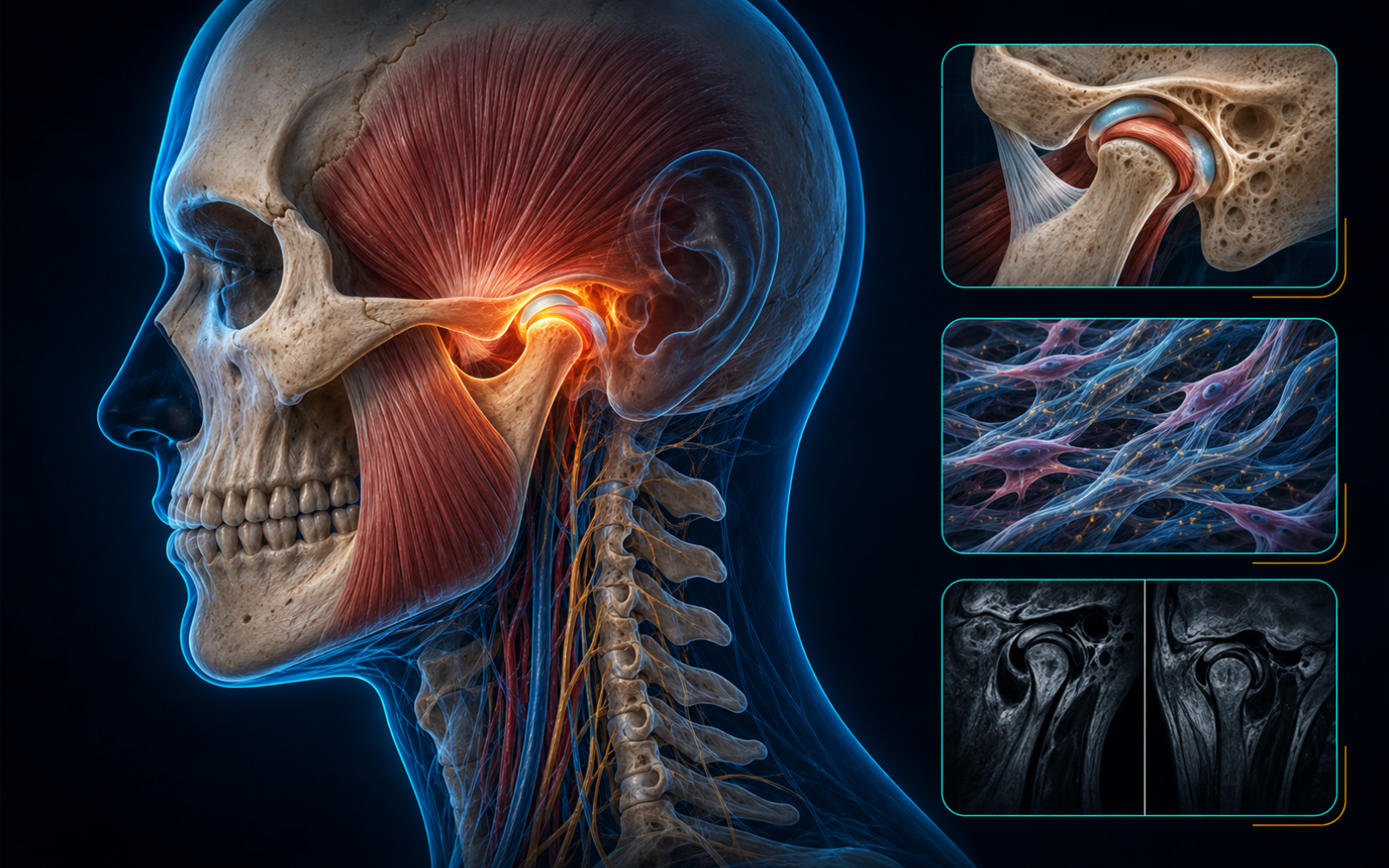
TMJ Pain & Regenerative Medicine
Learn how PRP may support jaw joint healing, reduce pain, and improve function in patients with TMJ pain and dysfunction.
Read Article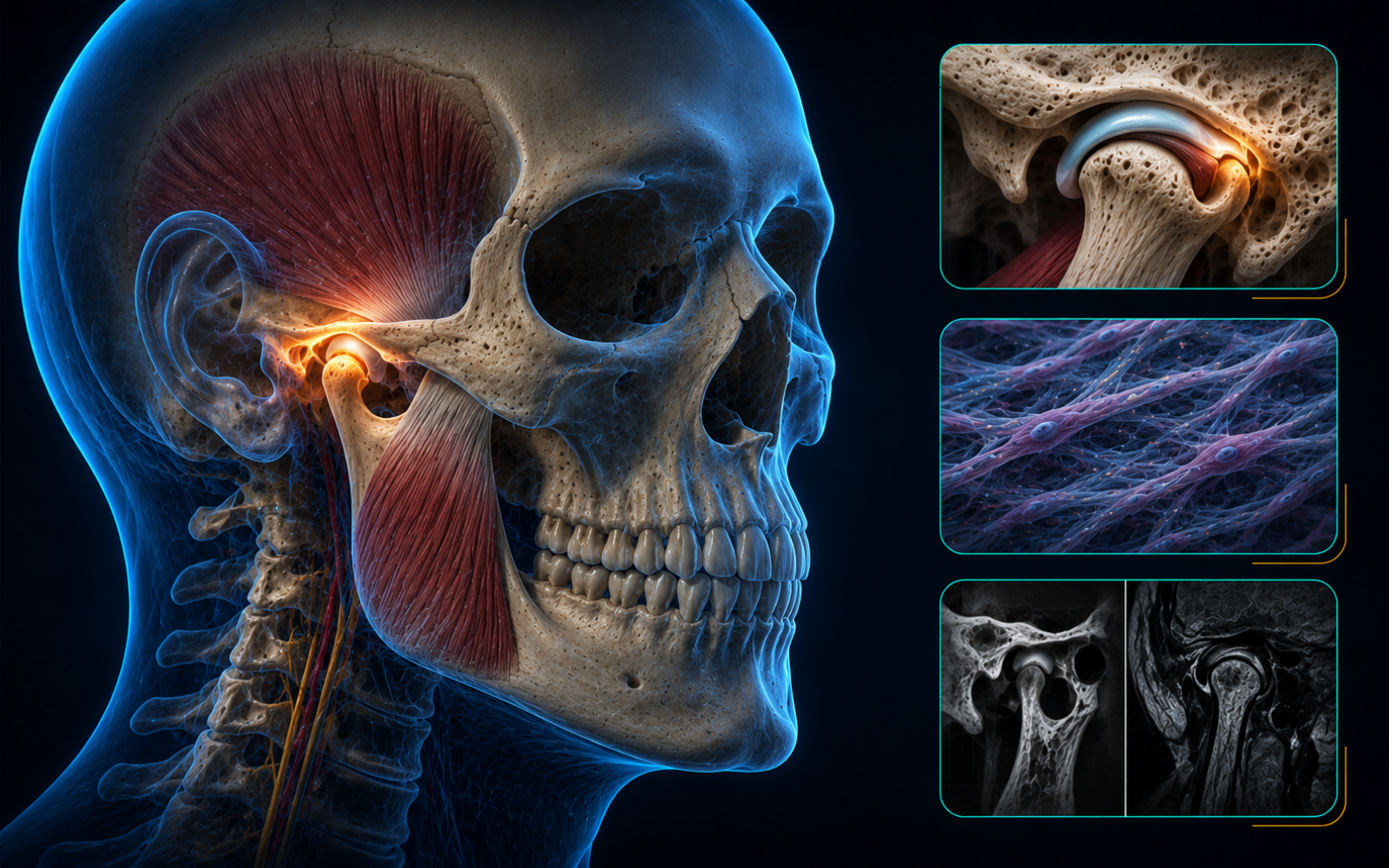
TMJ & Neck Stability
A helpful resource for understanding the connection between jaw mechanics, posture, neck stability, and nerve irritation.
Read Article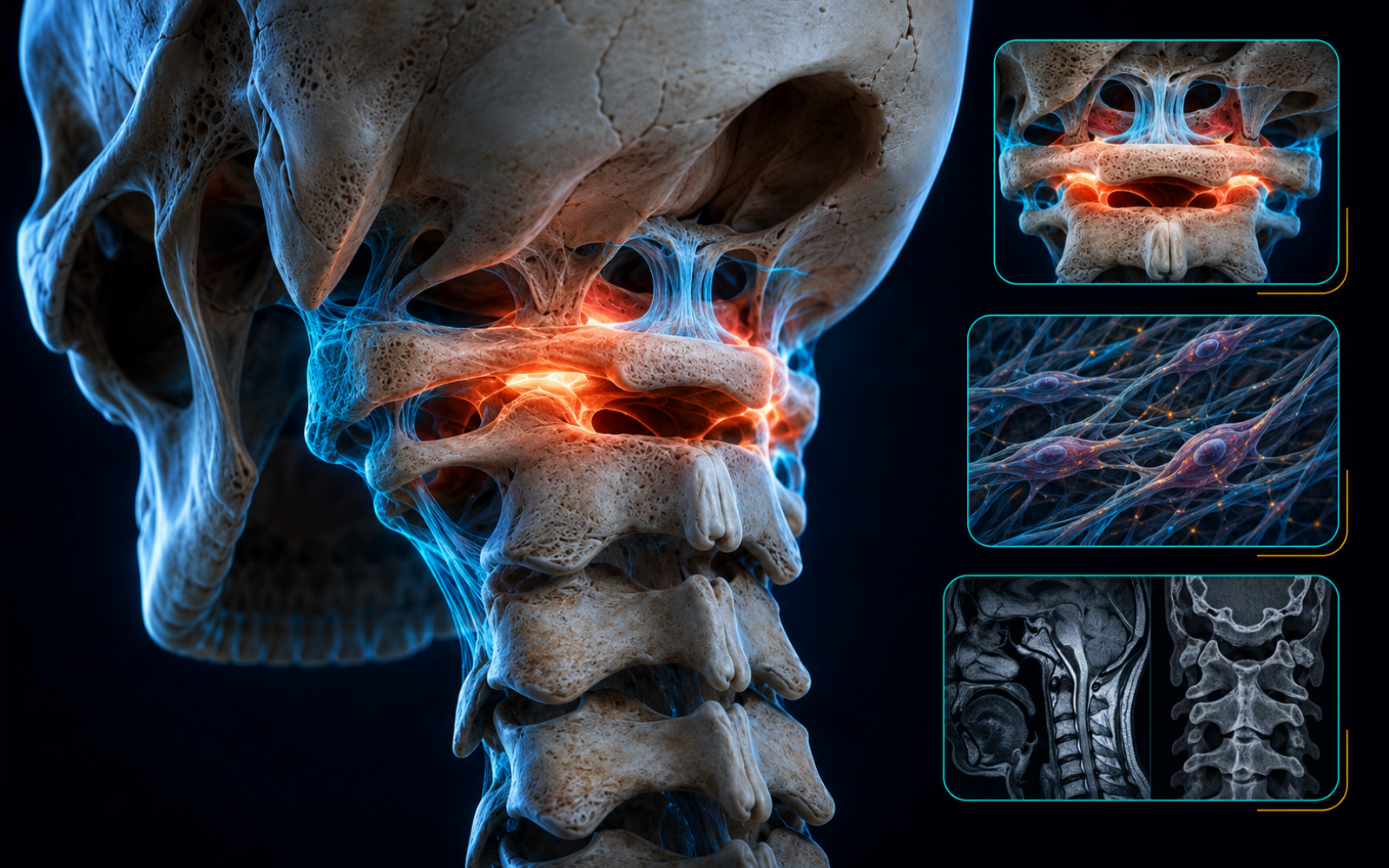
Craniocervical Instability
Best for patients learning about instability-related symptoms, diagnosis, and regenerative medicine options for CCI.
Read Article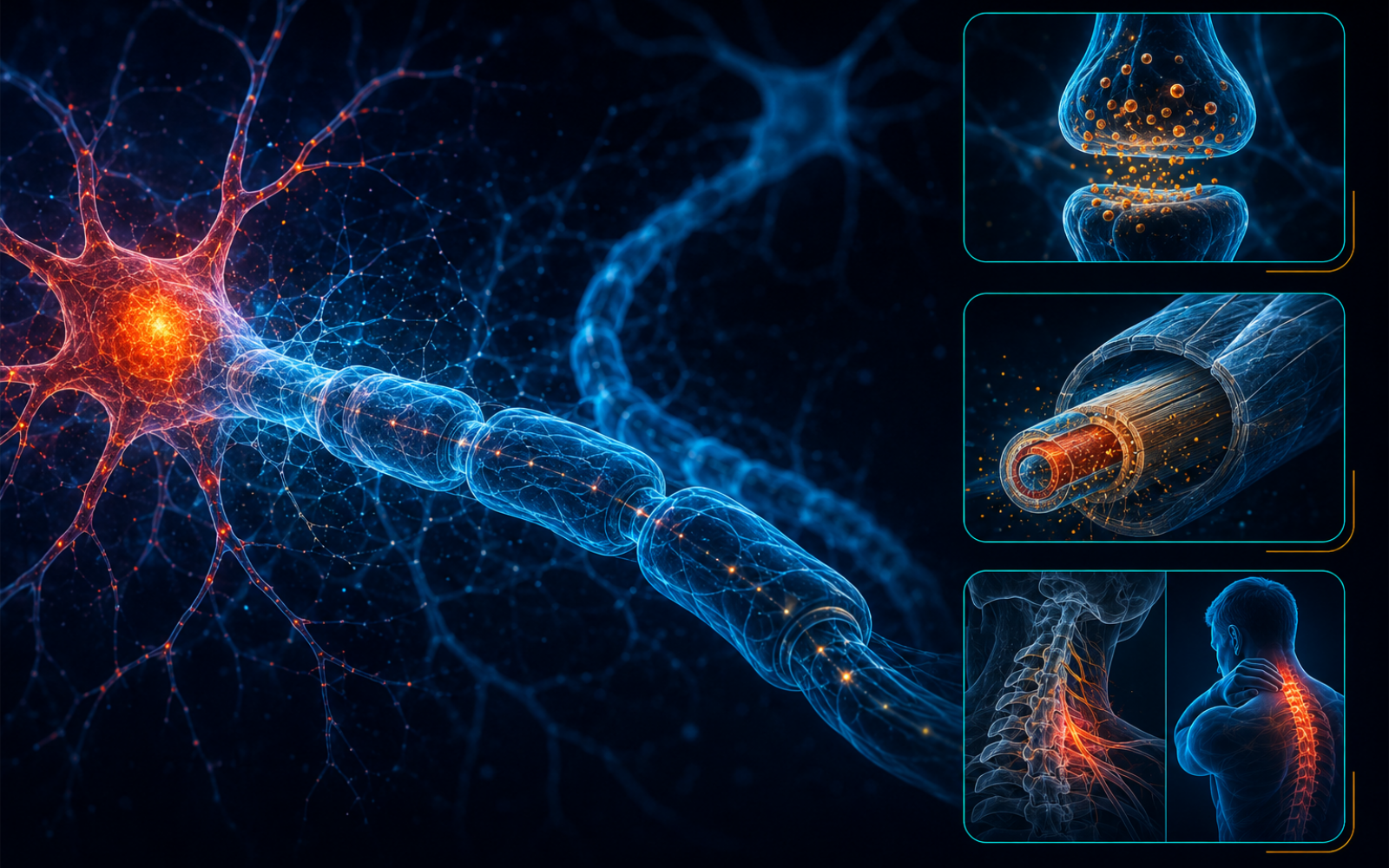
Nerve Pain & Platelet Releasate
Good support for nerve irritation, cervical plexus, hydrodissection, radiculopathy, and chronic pain education.
Read ArticleAnswers to common questions about neck pain, head pain, non-surgical treatment options, and when to seek specialist care.
Your neck supports your head and allows movement, but because it’s the thinnest part of your spine, it’s prone to strain, injury, and instability. Pain may stem from muscles, joints, nerves, discs, or even referred pain from nearby areas like the shoulders or jaw.
Common causes include poor posture, whiplash, arthritis, disc herniation, jaw dysfunction, cervical instability, and nerve irritation. Craniocervical instability and tight or weak muscles can also contribute to chronic headaches and facial pain.
Women are more likely to experience chronic neck pain. Other risk factors include prior trauma, weak posture muscles, spinal degeneration, joint instability, disc problems, and nerve compression.
Yes. At IOW, we use non-surgical regenerative therapies like PRP, prolotherapy, cellular treatments, and image-guided injections to help heal tissues and restore function. Care may also include lifestyle changes, physical therapy, and diagnostic imaging before progressing to advanced procedures.
If your neck pain lasts more than a few weeks, radiates to your arms or head, causes headaches or facial pain, or disrupts your daily function, it may be time for a deeper evaluation. Early intervention can help prevent chronic issues.
You might be a candidate. Schedule your free discovery call and let’s explore your options.
Medically reviewed by Dr. Otoño Silva, M.D.
Board Certified in Physical Medicine & Rehabilitation · Fellowship-Trained in Interventional Orthopedics, Centeno-Schultz Clinic
Last reviewed