The stellate ganglion is a small bundle of nerves located on each side of the lower neck. It plays a key role in regulating the sympathetic nervous system, which controls the body’s “fight-or-flight” response. When this system becomes overactive, it can contribute to ongoing symptoms related to stress, pain, and autonomic imbalance.

Open Hours
Tues - Fri 8:30 AM to 5:00 PM
Wellness Options
Stellate Ganglion Block (SGB)
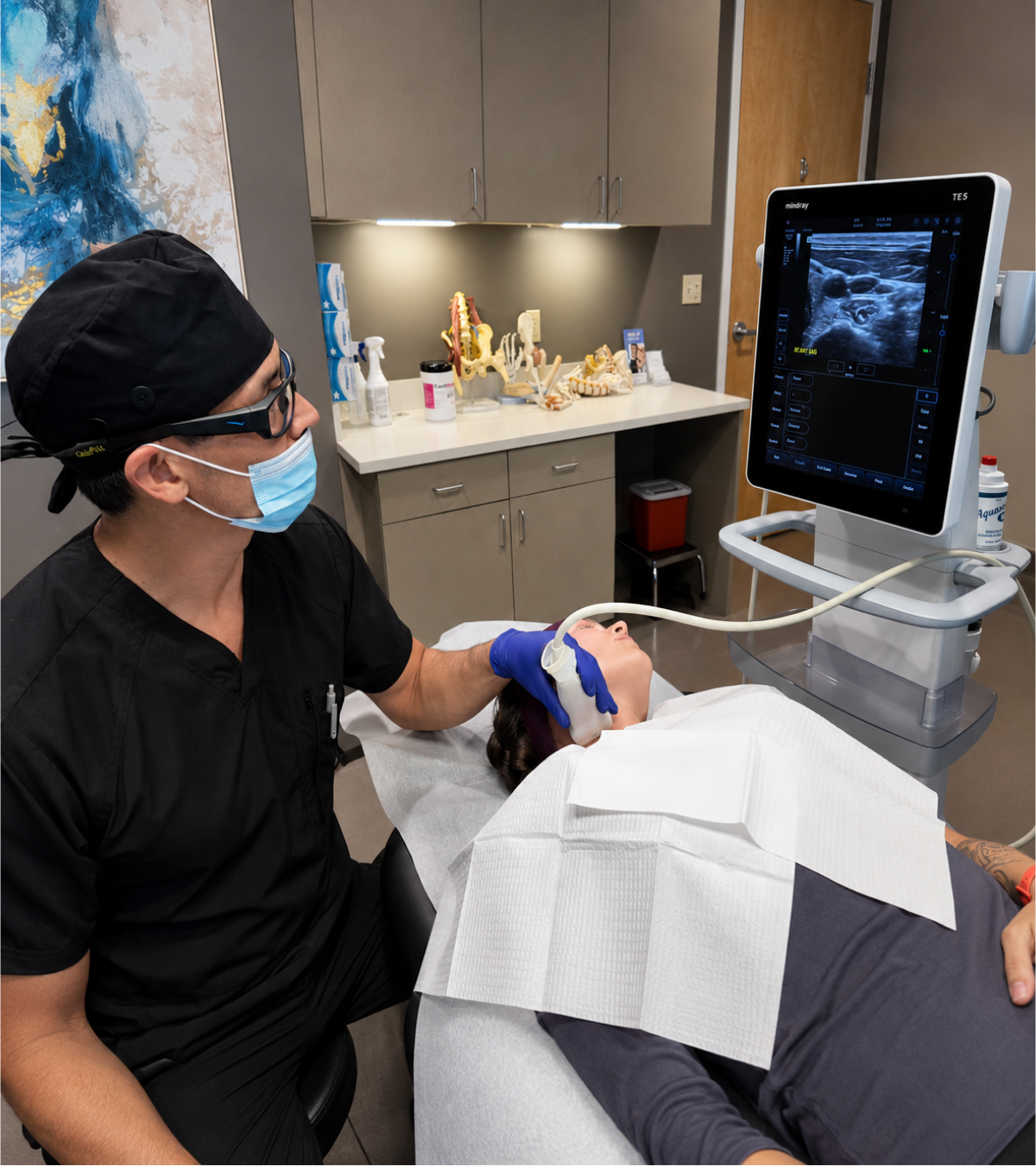
Interventional Orthopedics of Washington offers Stellate Ganglion Block (SGB) as a physician-guided wellness option for select patients. This image-guided injection may be considered to support autonomic nervous system regulation in patients dealing with trauma-related symptoms, dysautonomia, long-COVID concerns, or certain pain-related presentations when clinically appropriate.
- Physician-Guided Evaluation & Screening
- Image-Guided Precision for Accurate Placement
- Used for Select Dysautonomia, Long-COVID & Trauma-Related Cases
- Single Trial or Broader Physician-Directed Plan
SGB is not appropriate for everyone, and not every patient will need the same treatment plan. Candidacy depends on your symptoms, medical history, medications, and physician assessment. Some patients may begin with a single trial injection, while others may discuss a broader plan based on response and overall goals.
Treatment Overview
Stellate Ganglion Block (SGB)
During chronic stress or trauma, the nervous system can remain stuck in a constant “fight-or-flight” state, even after the original threat has passed. This ongoing sympathetic overactivation can disrupt sleep, mood, pain regulation, and overall health. Stellate ganglion block (SGB) therapy is designed to interrupt this cycle by helping reset nervous system signaling, allowing the body to regain balance between the sympathetic and parasympathetic systems. For carefully selected patients, an SGB procedure may reduce symptoms tied to prolonged stress responses and improve quality of life.
Patient Questions
Stellate Ganglion Block Procedure FAQs
Clear answers about the stellate ganglion, SGB treatment, candidacy, procedure expectations, results, and insurance coverage.
A stellate ganglion block is a targeted, image-guided injection that delivers a local anesthetic near the stellate ganglion. The goal is to temporarily calm excessive sympathetic nerve activity, giving the nervous system an opportunity to reset and restore balance.
By briefly interrupting nerve signals associated with the fight-or-flight response, SGB allows the autonomic nervous system to recalibrate. Many patients describe this as a “reset,” similar to restarting a system that has been stuck in overdrive. As the medication wears off, the nervous system often resumes function at a healthier baseline.
Research suggests SGB may help certain patients with conditions linked to sympathetic overactivity, including:
- PTSD and trauma-related symptoms
- Anxiety disorders
- Dysautonomia and autonomic imbalance
- Certain chronic pain conditions, such as CRPS, migraines, or post-herpetic neuralgia
A thorough evaluation is required to determine whether SGB is appropriate.
SGB is performed on an outpatient basis using real-time ultrasound guidance for accuracy and safety. The injection itself usually takes less than 10 minutes, followed by a short observation period. A temporary drooping eyelid or voice hoarseness can occur and typically resolves within hours. Patients should arrange for a driver after the procedure.
Some patients notice changes within hours or days, while others experience gradual improvement over several weeks. The duration of benefit varies. A series of injections spaced a few weeks apart may be recommended based on response and symptoms.
SGB may be considered for patients whose symptoms are driven by chronic sympathetic nervous system activation and have not responded adequately to standard treatments. It is not a treatment for primary personality disorders, seizure disorders, or certain neurological conditions. Medical screening is essential to confirm eligibility.
In most cases, insurance will not cover the cost of an SGB. Our office will provide you with a superbill for insurance reimbursement purposes but please note that you will most likely not receive reimbursement for these services.
Can’t find your condition on the list?
You might be a candidate. Schedule your free discovery call and let’s explore your options.
Medically reviewed by Dr. Otoño Silva, M.D.
Board Certified in Physical Medicine & Rehabilitation · Fellowship-Trained in Interventional Orthopedics, Centeno-Schultz Clinic
Last reviewed